A digital marketing funnel is the foundation of every successful online business strategy. It represents the journey a potential customer takes from discovering a brand to becoming a loyal advocate. Building a funnel that converts requires understanding consumer psychology, leveraging data, and integrating multiple marketing channels.
This guide explores how to design, implement, and optimize a digital marketing funnel that drives measurable results and sustainable growth. It also examines advanced strategies, real-world examples, and future trends that shape how businesses attract, engage, and retain customers in the digital age.
Understanding the Digital Marketing Funnel
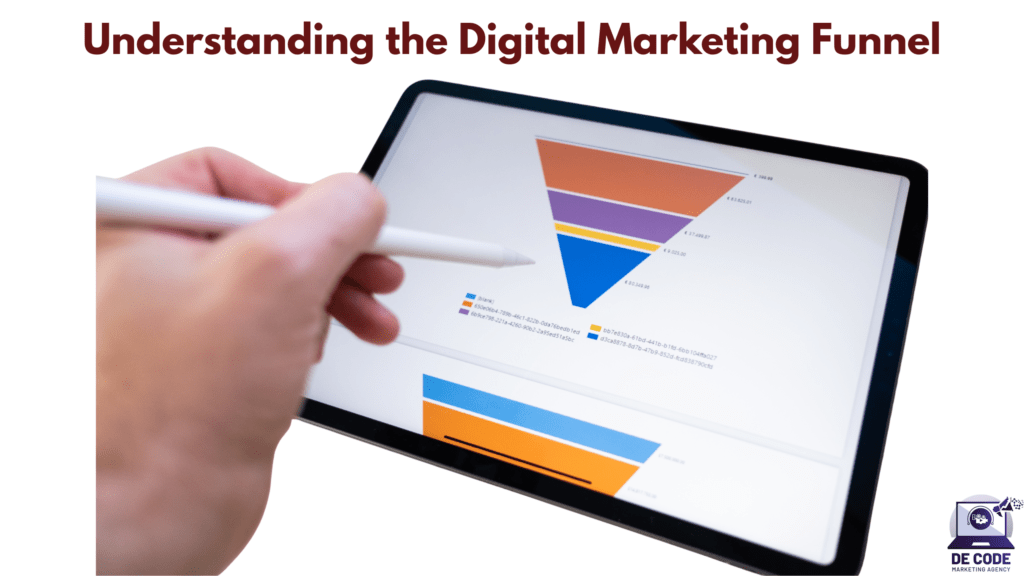
What Is a Digital Marketing Funnel?
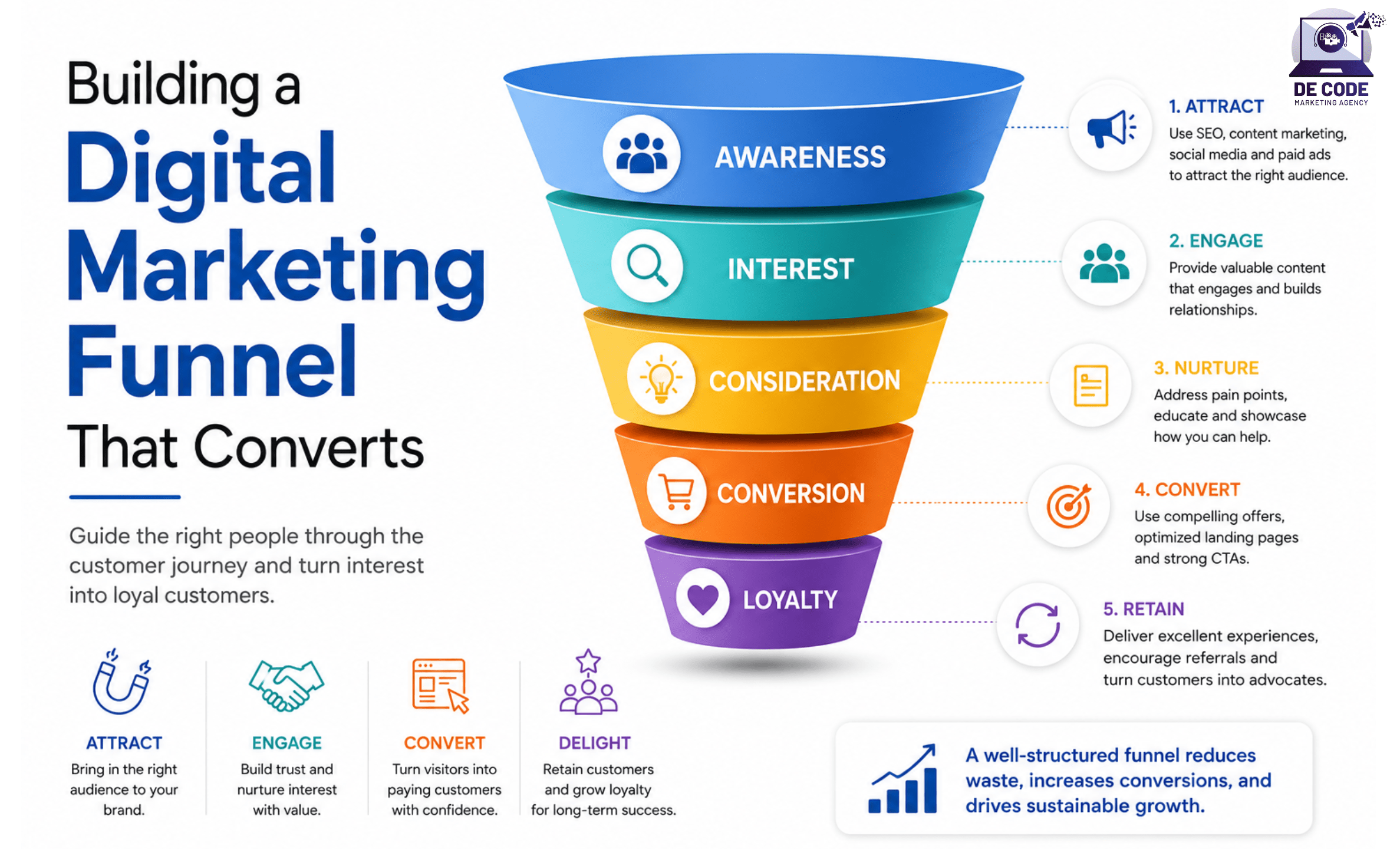
A digital marketing funnel describes the flow of customers from brand awareness to a loyal customer. It begins with awareness and ends with advocacy. The funnel helps marketers visualize and optimize each step of the customer journey, ensuring that prospects receive the right message at the right time.
The Purpose of a Funnel
The funnel’s main goal is to convert strangers into paying customers and eventually into brand promoters. It simplifies complex buying behaviors into manageable stages, allowing marketers to identify where prospects drop off and how to improve conversion rates. A well-designed funnel also aligns marketing and sales teams, ensuring consistent messaging and efficient lead management.
The Stages of the Funnel
- Awareness: The stage where potential customers first learn about a brand or product.
- Interest: Prospects begin to engage with content and show curiosity about the offering.
- Consideration: Leads evaluate options and compare solutions.
- Conversion: The decision-making stage where a purchase or desired action occurs.
- Loyalty: Customers continue to engage post-purchase, building trust and satisfaction.
- Advocacy: Satisfied customers promote the brand through reviews, referrals, and social sharing.
A successful funnel begins with attracting the right audience through strategic marketing channels. To understand how social platforms help generate awareness and engagement, explore How Social Media Marketing Drives Business Growth.
Stage 1: Awareness – Capturing Attention
Building awareness is the first critical step in any digital marketing funnel. Without visibility, no conversions can occur. The goal is to attract the right audience and introduce them to the brand’s value proposition.
Strategies for Building Awareness
- Search Engine Optimization (SEO): Optimize website content for relevant keywords to appear in search results. Focus on long-tail keywords that match user intent.
- Content Marketing: Publish blog posts, infographics, and videos that educate and entertain. High-quality content builds trust and authority.
- Social Media Marketing: Use platforms like Instagram, LinkedIn, and TikTok to reach target audiences. Consistent posting and engagement increase brand recognition.
- Paid Advertising: Run targeted ads on Google, Facebook, or YouTube to reach new audiences quickly.
- Public Relations and Influencer Marketing: Collaborate with influencers or media outlets to expand reach and credibility.
Measuring Awareness
Key metrics include website traffic, impressions, reach, social media engagement, and click-through rates (CTR). Tracking these metrics helps determine which channels generate the most visibility and engagement.
Advanced Awareness Tactics
- Podcast Sponsorships: Partner with niche podcasts to reach engaged listeners.
- Guest Blogging: Publish articles on reputable sites to build backlinks and authority.
- Video SEO: Optimize YouTube videos with keywords, transcripts, and engaging thumbnails.
- Community Engagement: Participate in online forums and groups related to the industry.
- Press Releases: Announce new products or milestones to gain media coverage.
- Collaborative Campaigns: Partner with complementary brands to expand audience reach.
- Native Advertising: Create sponsored content that blends naturally with editorial content.
- Interactive Ads: Use polls, quizzes, or mini-games to capture attention.
- Thought Leadership: Publish whitepapers or research reports to position the brand as an authority.
- Podcast Appearances: Share expertise on industry podcasts to build credibility.
Stage 2: Interest – Engaging the Audience
Once potential customers know about a brand, the next step is to spark genuine interest. This involves delivering valuable content that resonates with their needs and challenges.
Strategies to Build Interest
- Email Capture and Lead Magnets: Offer free resources such as eBooks, webinars, or templates in exchange for email addresses.
- Personalized Content: Use data to tailor content recommendations and product suggestions.
- Retargeting Campaigns: Display ads to users who have previously visited the website but didn’t convert.
- Interactive Content: Quizzes, polls, and calculators encourage participation and keep users engaged.
- Educational Webinars: Host live sessions to demonstrate expertise and answer audience questions.
Deepening Engagement
- Storytelling: Share brand stories that connect emotionally with the audience.
- Video Tutorials: Demonstrate how products solve real problems.
- Social Proof: Highlight customer reviews and testimonials early in the funnel.
- Gamification: Use challenges or rewards to make engagement fun and memorable.
- Email Newsletters: Provide consistent value through curated content and updates. Email nurturing plays a critical role in keeping prospects engaged throughout the funnel. Discover why in Email Marketing: Why It Remains the King of Digital Marketing.
- Micro-Influencer Collaborations: Partner with smaller influencers who have loyal audiences.
- Interactive Emails: Use embedded videos or polls to increase engagement rates.
- Community Webinars: Host Q&A sessions to build trust and authority.
Tools for Engagement
- CRM Systems: Track interactions and personalize communication.
- Marketing Automation Platforms: Automate follow-ups and content delivery.
- Social Listening Tools: Monitor brand mentions and respond to audience feedback.
- Heatmaps: Understand how users interact with content to improve design and layout.
- Behavioral Analytics: Identify which content types drive the most engagement.
- AI Chatbots: Provide instant responses and guide users to relevant resources.
Stage 3: Consideration – Nurturing Leads
The consideration stage of your digital marketing funnel is where trust is built and prospects evaluate solutions. Effective nurturing builds trust and positions the brand as the best choice.
Strategies for Lead Nurturing
- Email Marketing Automation: Send targeted email sequences that educate and guide leads toward conversion.
- Case Studies and Testimonials: Showcase real-world success stories to build credibility.
- Comparison Guides: Help prospects understand how the product stands out from competitors.
- Remarketing Campaigns: Use dynamic ads to remind users of products they viewed.
- Free Trials or Demos: Allow prospects to experience the product before committing.
Advanced Nurturing Techniques
- Segmentation: Divide leads based on behavior, demographics, or interests.
- Dynamic Content: Adjust website content based on user data.
- Chatbots: Provide instant answers and guide users through the funnel.
- Drip Campaigns: Deliver a series of automated emails that educate and persuade over time.
- Webinar Follow-Ups: Send post-event resources and offers to attendees.
- Lead Scoring: Assign values to leads based on engagement to prioritize follow-ups.
- Retargeting with Personalization: Show ads that reflect the exact product or service viewed.
- Interactive Demos: Allow users to explore product features virtually.
- AI-Powered Recommendations: Suggest relevant products or services based on browsing behavior.
Key Metrics
- Email open and click rates
- Demo requests
- Content downloads
- Lead-to-customer conversion rate
- Engagement score per lead
- Time to conversion
- Cost per lead (CPL)
Stage 4: Conversion – Turning Leads into Customers
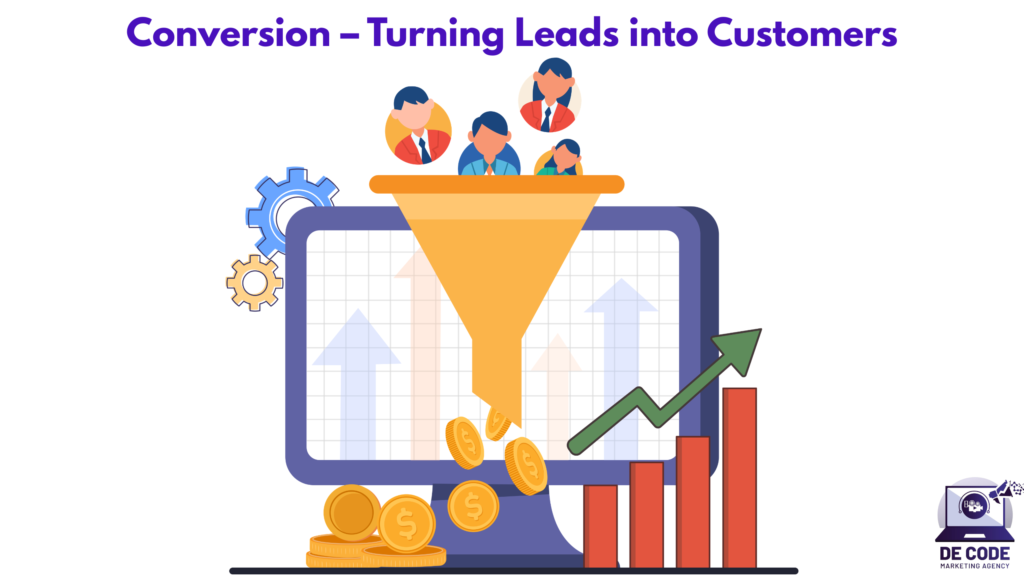
Every digital marketing funnel is designed to guide prospects to this pivotal conversion moment. It’s where leads take the desired action making a purchase, signing up, or subscribing.
Strategies to Increase Conversions
- Optimized Landing Pages: Design pages with clear calls-to-action (CTAs), minimal distractions, and persuasive copy.
- A/B Testing: Experiment with headlines, images, and CTAs to identify what drives the highest conversions.
- Trust Signals: Include reviews, security badges, and guarantees to reduce hesitation.
- Simplified Checkout Process: Minimize steps and offer multiple payment options.
- Limited-Time Offers: Create urgency with discounts or bonuses that expire soon.
- Personalized Offers: Use browsing history to recommend relevant products.
- Free Shipping Thresholds: Encourage larger purchases by offering free shipping above a certain amount.
- Exit-Intent Offers: Provide last-minute discounts to retain potential buyers.
Conversion Optimization Techniques
- Heatmaps: Analyze where users click and scroll to improve design.
- Exit-Intent Popups: Capture leads before they leave the site.
- Social Proof Notifications: Display real-time purchases to build trust.
- Mobile Optimization: Ensure seamless checkout on all devices.
- Behavioral Triggers: Send reminders when users abandon carts or forms.
- Progress Indicators: Show users how close they are to completing a purchase.
- Live Chat Support: Offer real-time help during checkout to reduce friction.
- One-Click Checkout: Simplify the buying process for returning customers.
- Personalized Retargeting: Use dynamic ads to remind users of viewed products. Retargeting campaigns are one of the most effective PPC techniques for recovering lost leads and increasing sales. Explore this in The Ultimate Guide to PPC Advertising for Beginners.
Conversion Metrics
- Conversion rate
- Cost per acquisition (CPA)
- Return on ad spend (ROAS)
- Cart abandonment rate
- Average order value (AOV)
- Customer acquisition cost (CAC)
- Checkout completion rate
- Revenue per visitor (RPV)
Stage 5: Loyalty – Retaining Customers
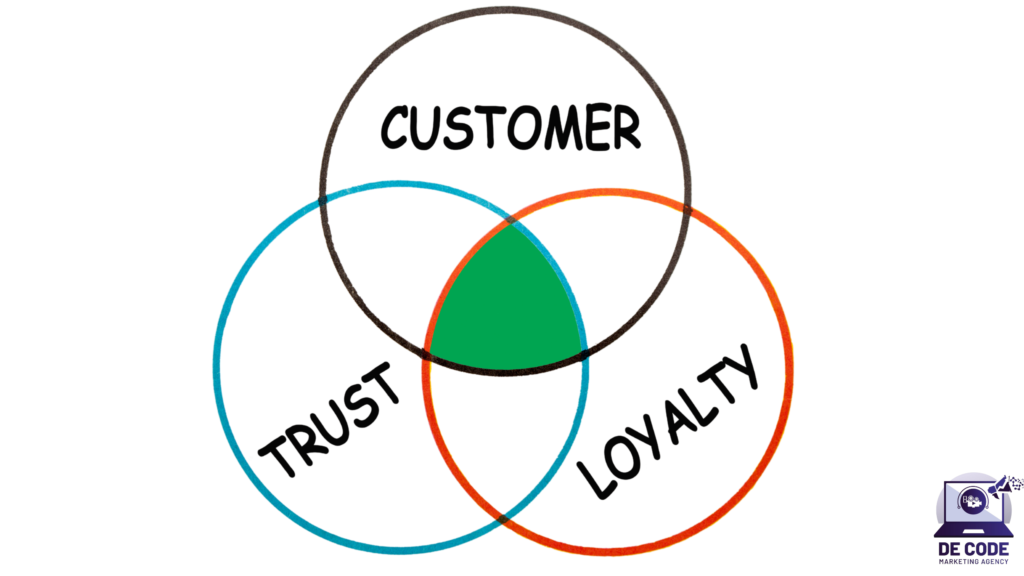
Acquiring new customers is more expensive than retaining existing ones. Loyal customers generate repeat sales and often become brand advocates.
Strategies for Building Loyalty
- Customer Onboarding: Provide clear instructions and support after purchase to ensure satisfaction.
- Loyalty Programs: Reward repeat purchases with points, discounts, or exclusive access.
- Personalized Follow-Ups: Send tailored recommendations based on purchase history.
- Customer Support Excellence: Offer responsive and empathetic service across all channels.
- Community Building: Create online groups or forums where customers can connect and share experiences.
- Post-Purchase Surveys: Gather insights to improve future experiences.
- Customer Education: Offer tutorials, FAQs, and webinars to help customers get the most from products.
Enhancing Customer Retention
- Subscription Models: Offer recurring services or products.
- Feedback Loops: Collect and act on customer feedback.
- Surprise Rewards: Send unexpected gifts or discounts.
- Educational Content: Provide tutorials or updates that add value post-purchase.
- Customer Appreciation Events: Host virtual or in-person events to celebrate loyal customers.
- Reactivation Campaigns: Re-engage inactive customers with special offers.
- Customer Success Teams: Assign dedicated representatives to high-value clients.
- Predictive Retention Models: Use data to identify customers at risk of churn.
- Tiered Loyalty Programs: Offer increasing rewards for higher engagement levels.
Loyalty Metrics
- Repeat purchase rate
- Customer lifetime value (CLV)
- Churn rate
- Net promoter score (NPS)
- Retention rate
- Average revenue per user (ARPU)
- Engagement frequency
- Referral participation rate
Stage 6: Advocacy –Turning Customers into Promoters
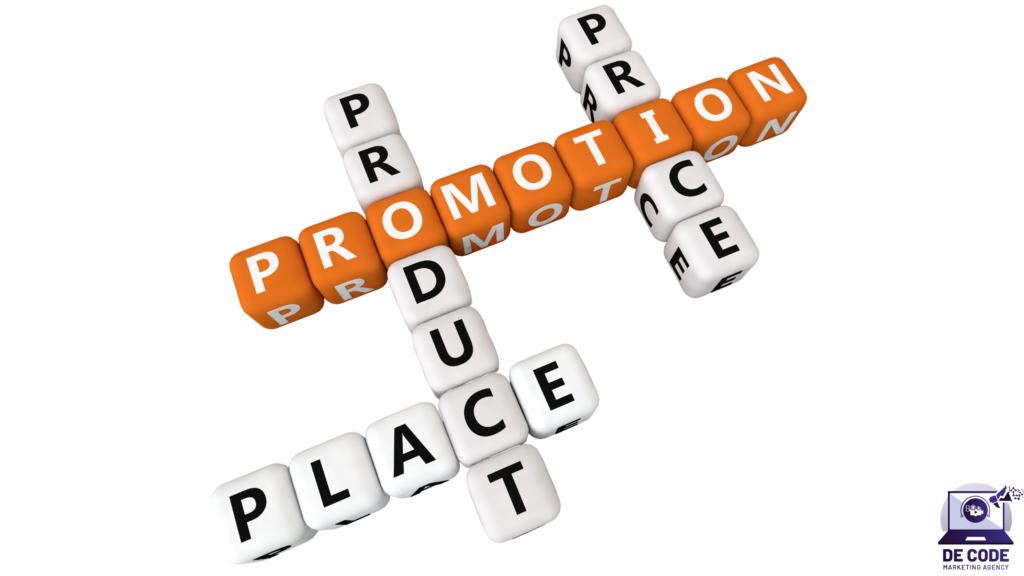
The final stage of a successful digital marketing funnel transforms satisfied customers into brand promoters. Advocacy amplifies brand reach through authentic word-of-mouth promotion.
Strategies to Encourage Advocacy
- Referral Programs: Incentivize customers to refer friends with discounts or rewards.
- User-Generated Content (UGC): Encourage customers to share photos or reviews on social media.
- Customer Testimonials: Feature positive feedback on websites and marketing materials.
- Social Proof Campaigns: Highlight customer stories and success metrics.
- Exclusive Communities: Offer VIP access or early product releases to loyal advocates.
- Affiliate Programs: Reward customers for promoting products.
- Customer Spotlights: Showcase loyal customers in marketing campaigns.
Expanding Advocacy
- Ambassador Programs: Recruit loyal customers to represent the brand.
- Affiliate Marketing: Reward advocates for driving sales.
- Co-Creation: Involve customers in product development.
- Public Recognition: Feature advocates in newsletters or social media posts.
- Customer Storytelling: Turn customer experiences into marketing campaigns.
- Advocacy Analytics: Track referral performance and engagement to refine programs.
- Social Listening: Identify brand advocates and engage with them directly.
- Gamified Referral Systems: Reward advocates for milestones achieved.
Integrating SEO into the Funnel

SEO ensures visibility, builds authority, and attracts qualified traffic at every stage of the funnel.
SEO at Every Stage
- Awareness: Use keyword research to target informational queries and create blog content.
- Interest: Optimize landing pages and lead magnets for mid-funnel keywords. Personalized content and targeted engagement strategies help businesses keep users interested and moving through the funnel. Explore this further in How Social Media Marketing Drives Business Growth.
- Consideration: Publish comparison articles and case studies optimized for commercial intent.
- Conversion: Ensure product pages load quickly and include schema markup for better visibility.
- Loyalty and Advocacy: Use SEO to promote community content, testimonials, and brand stories.
Technical SEO Considerations
- Mobile optimization
- Fast page speed
- Secure HTTPS connections
- Structured data
- Internal linking strategy
- Crawlability and indexation audits
- Image optimization for accessibility
- Core Web Vitals performance
- XML sitemaps and canonical tags
Data and Analytics in Funnel Optimization
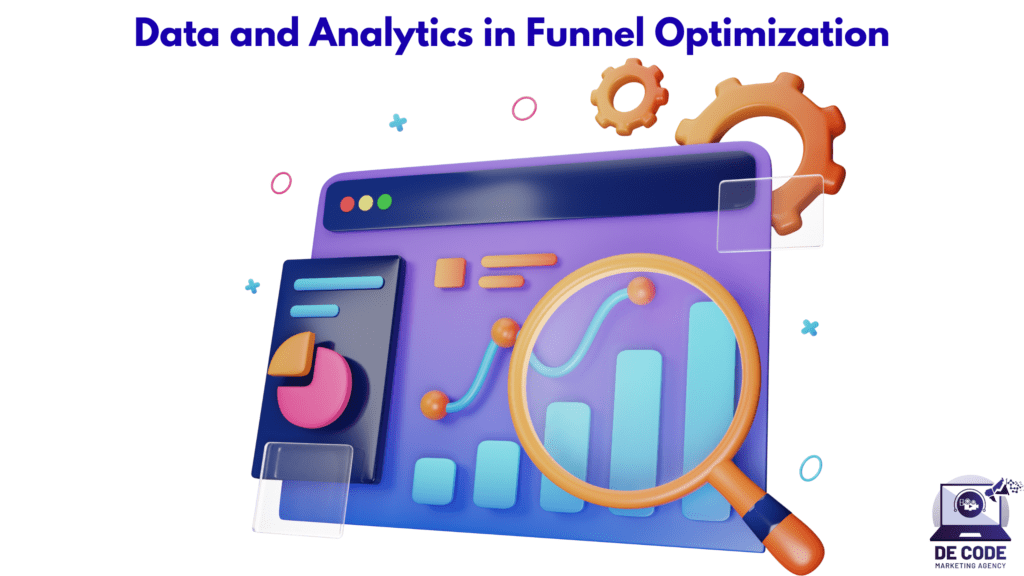
Data-driven insights reveal how users move through the funnel and where improvements are needed.
Key Tools
- Google Analytics
- Google Tag Manager
- CRM systems (HubSpot, Salesforce)
- Heatmaps (Hotjar, Crazy Egg)
- Marketing automation platforms
- Data visualization tools (Tableau, Power BI)
- Customer data platforms (CDPs)
- Funnel visualization software (Funnelytics)
Using Data for Continuous Improvement
- Attribution Modeling: Understand which channels drive conversions.
- Cohort Analysis: Track customer behavior over time.
- Predictive Analytics: Forecast future trends and customer actions.
- Dashboard Reporting: Visualize performance metrics for quick insights.
- Customer Journey Mapping: Identify friction points and optimize touchpoints.
- Data-Driven Personalization: Use analytics to tailor experiences dynamically.
- Funnel Forecasting: Predict revenue outcomes based on conversion probabilities.
- A/B Testing Insights: Use data to refine messaging and design.
- Customer Segmentation Analysis: Identify high-value customer groups for targeted campaigns.
Common Funnel Mistakes and How to Avoid Them
- Ignoring the customer journey.
- Lack of personalization.
- Overcomplicated funnels.
- Neglecting mobile users.
- Failure to test and optimize.
- Inconsistent branding.
- Poor follow-up.
- Ignoring analytics.
- Misaligned messaging between stages.
- Overreliance on one channel.
Advanced Funnel Strategies
- Marketing Automation: Streamlines communication and ensures timely follow-ups.
- Omnichannel Integration: Creates a seamless experience across all platforms.
- Behavioral Targeting: Delivers relevant offers based on user actions.
- Conversion Rate Optimization (CRO): Tests and refines funnel elements.
- Artificial Intelligence: Enhances personalization and predictive analytics.
- Content Personalization Engines: Adjusts content dynamically for each visitor.
- Funnel Visualization Tools: Helps identify drop-off points and optimize flow.
- Predictive Lead Scoring: Uses AI to prioritize high-value leads.
- Cross-Selling and Upselling: Increases revenue from existing customers.
- Marketing Attribution Models: Assigns credit to the most effective channels.
- Customer Journey Automation: Uses triggers to move leads automatically through stages.
- Voice Search Optimization: Prepares content for conversational queries.
- Data-Driven Retargeting: Uses AI to refine ad targeting precision.
Future Trends in Digital Marketing Funnels
- Voice and Visual Search: Optimizing for emerging search behaviors.
- AI-Powered Predictive Funnels: Automating funnel adjustments in real time.
- Privacy-First Marketing: Emphasizing transparency and consent.
- Interactive and Immersive Experiences: Using AR and VR for engagement.
- Micro-Funnels: Creating shorter, targeted funnels for specific audiences.
- Sustainability and Ethical Marketing: Aligning with consumer values.
- Data Unification: Integrating data across platforms for a single customer view.
- Hyper-Personalization: Using AI to deliver one-to-one marketing experiences.
- Blockchain in Marketing: Enhancing transparency and trust in digital advertising.
- Predictive Retention Models: Using AI to forecast churn and automate retention campaigns.
- Zero-Party Data Strategies: Encouraging customers to share preferences voluntarily.
- Augmented Reality Shopping: Allowing customers to visualize products before purchase.
FAQ: Building a Digital Marketing Funnel That Converts
1. What is a digital marketing funnel?
A digital marketing funnel is the journey potential customers take from discovering your brand to making a purchase and becoming loyal customers. It typically includes awareness, consideration, conversion, and retention stages.
2. Why is a marketing funnel important?
A marketing funnel helps businesses guide users through the buying process strategically. It improves lead generation, boosts conversions, and ensures marketing efforts target the right audience at each stage.
3. What are the main stages of a digital marketing funnel?
The main stages are:
- Awareness – attracting visitors
- Interest – engaging potential customers
- Consideration – building trust and value
- Conversion – turning leads into customers
- Retention – encouraging repeat business and loyalty
4. How do I attract people to the top of the funnel?
You can attract users through SEO, content marketing, social media marketing, PPC advertising, video marketing, and influencer collaborations. High-quality content and targeted campaigns help drive traffic.
5. What type of content works best for each funnel stage?
- Awareness: Blog posts, social media content, videos
- Consideration: Case studies, webinars, email campaigns
- Conversion: Product demos, testimonials, landing pages
- Retention: Newsletters, loyalty programs, personalized offers
6. How does SEO support a marketing funnel?
SEO helps drive organic traffic to every stage of the funnel. Informational keywords attract awareness-stage users, while transactional keywords help convert users ready to purchase.
7. What role does email marketing play in the funnel?
Email marketing nurtures leads through personalized communication, automated follow-ups, and targeted offers. It helps move prospects from interest to conversion while improving customer retention.
8. How can landing pages improve conversions?
Landing pages focus on a single goal, such as collecting leads or driving sales. Optimized headlines, clear calls-to-action, and persuasive content increase conversion rates.
Conclusion
Building a digital marketing funnel that converts requires strategic planning, consistent optimization, and a customer-centric mindset. Each stage from awareness to advocacy plays a vital role in guiding prospects toward long-term loyalty. By integrating SEO, data analytics, and personalized engagement, businesses can create a funnel that not only drives conversions but also fosters lasting relationships. The most successful funnels evolve continuously, adapting to changing consumer behaviors and market trends. A well-structured funnel is not just a marketing tool, it is the engine that powers sustainable business growth, customer satisfaction, and brand success in the digital era.