In the digital age, businesses compete not only for market share but also for attention. Every click, scroll, and search represents an opportunity to connect with potential customers. Among the many tools available to digital marketers, content marketing stands out as the foundation of successful online strategies. It drives visibility, builds trust, and fuels engagement across all digital channels. Without strong content, even the most advanced marketing technologies or paid campaigns struggle to deliver sustainable results.
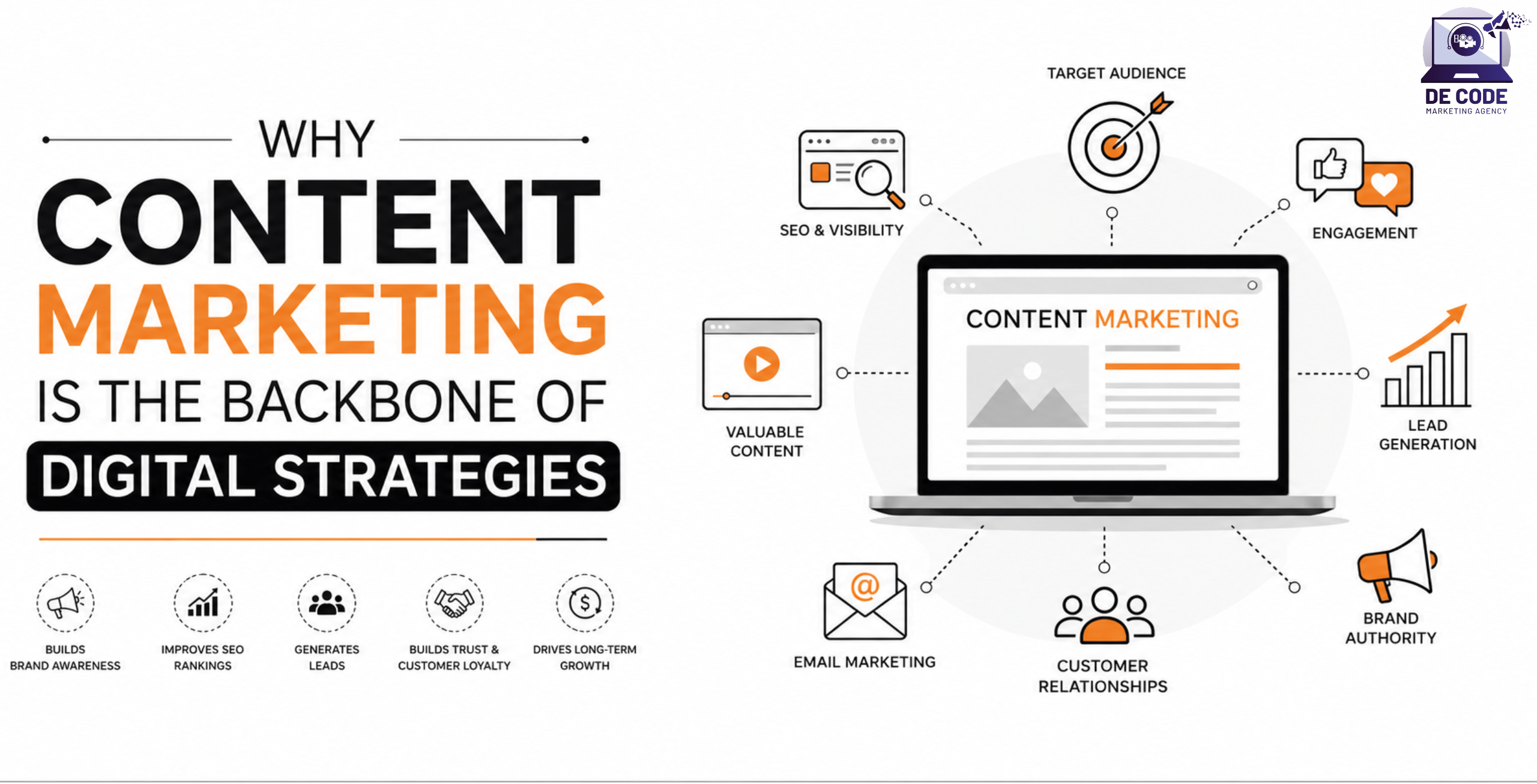
Content marketing is a strategic marketing approach focused on creating and distributing valuable, relevant, and consistent content to attract and retain a clearly defined audience — and, ultimately, to drive profitable customer action. When executed effectively, it becomes the backbone of digital marketing—supporting search engine optimization (SEO), social media marketing, email campaigns, and even paid advertising.
This article explores why content marketing is central to digital success, how it integrates with other marketing efforts, and the strategies that make it effective. It also examines the measurable benefits of content marketing and how businesses can use it to build long-term growth.
The Role of Content in the Digital Ecosystem

1. The Foundation of Online Presence
Every digital interaction begins with content. Websites, social media posts, emails, and advertisements all rely on words, images, and videos to communicate messages. Without content, there is no way to inform, persuade, or engage an audience. A company’s website, for example, is only as strong as the quality of its content. Visitors come to learn, compare, and decide—and content provides the information they need to take action.
2. The Bridge Between Brands and Audiences
Content marketing builds a bridge between businesses and their audiences. It allows brands to share their values, expertise, and solutions in a way that resonates with people. Instead of pushing sales messages, content marketing focuses on providing value first. This approach nurtures trust and positions a brand as a reliable source of information. Over time, this trust translates into customer loyalty and conversions.
Content marketing becomes even more powerful when combined with email campaigns that nurture leads and build long-term customer relationships. To learn more, read Email Marketing: Why It Remains the King of Digital Marketing.
3. The Engine of Digital Communication
Every digital channel depends on content to function. Search engines index content to deliver relevant results. Social media platforms thrive on shared stories and visuals. Email campaigns rely on compelling copy to drive clicks. Even paid ads need strong headlines and persuasive messages. Content is the fuel that powers all these systems, making it the engine of digital communication.
How Content Marketing Powers SEO
1. Content as the Core of Search Optimization
Search engines like Google aim to deliver the most relevant and valuable results to users. To do this, they analyze content. High-quality, keyword-optimized content helps search engines understand what a page is about and how it should rank. Without content, SEO cannot exist. Keywords, meta descriptions, and backlinks all depend on the presence of meaningful, well-structured content.
2. Building Authority Through Valuable Information
Search engines reward websites that demonstrate expertise, authority, and trustworthiness (E-A-T). Content marketing supports this by producing in-depth, accurate, and helpful information. When a brand consistently publishes valuable content, it signals to search engines that it is a credible source. This leads to higher rankings, more organic traffic, and greater visibility.
3. Generating Backlinks and Social Shares
High-quality content naturally attracts backlinks from other websites. These backlinks act as votes of confidence, boosting a site’s authority and improving its SEO performance. Similarly, shareable content spreads across social media, increasing reach and engagement. Both backlinks and shares amplify a brand’s online presence, driving more traffic and improving search rankings.
4. Enhancing User Experience
SEO is not just about keywords—it’s about user experience. Engaging, well-organized content keeps visitors on a site longer, reduces bounce rates, and encourages interaction. Search engines interpret these behaviors as signs of quality, which can further improve rankings. Content that answers questions, solves problems, and provides clear navigation enhances both user satisfaction and SEO performance.
The Strategic Importance of Content Marketing

1. Building Brand Awareness
Content marketing helps businesses reach new audiences and increase visibility. By publishing articles, videos, infographics, and podcasts, brands can showcase their expertise and personality. Consistent content creation ensures a business stays top-of-mind, even when potential customers are not ready to buy. Over time, this awareness leads to stronger recognition and trust.
A strong content strategy works hand in hand with social media platforms to expand reach, increase engagement, and strengthen online presence. Explore this further in How Social Media Marketing Drives Business Growth.
2. Educating and Nurturing Leads
Modern consumers research extensively before making decisions. Content marketing provides the information they need at every stage of the buyer’s journey. Educational blog posts, how-to guides, and case studies help prospects understand their problems and explore solutions. As they move closer to purchase, more targeted content—such as product comparisons or testimonials—helps them make confident decisions.
3. Supporting Customer Retention
Content marketing does not end after a sale. Post-purchase content, such as tutorials, newsletters, and community updates, keeps customers engaged and satisfied. This ongoing communication strengthens relationships and encourages repeat business. Loyal customers are also more likely to share positive experiences, generating word-of-mouth referrals.
4. Driving Conversions
Effective content guides users toward specific actions. Whether it’s signing up for a newsletter, downloading a resource, or making a purchase, content provides the motivation and information needed to convert. Clear calls-to-action (CTAs), persuasive storytelling, and trust-building elements all contribute to higher conversion rates.
Types of Content That Drive Digital Success

1. Blog Posts and Articles
Blogs remain one of the most powerful tools in content marketing. They improve SEO, attract organic traffic, and establish authority. Regularly updated blogs keep websites fresh and relevant, encouraging repeat visits. Long-form articles, in particular, perform well in search rankings and provide opportunities to explore topics in depth.
2. Videos
Video content dominates digital platforms. It captures attention quickly and conveys messages effectively. Tutorials, product demos, interviews, and storytelling videos engage audiences on an emotional level. Platforms like YouTube, TikTok, and Instagram make video marketing accessible and impactful.
3. Infographics
Infographics simplify complex information through visuals. They are highly shareable and ideal for social media. By combining data and design, infographics make learning engaging and memorable.
4. Ebooks and Whitepapers
These long-form resources provide detailed insights into specific topics. They are often used as lead magnets, offering valuable information in exchange for contact details. Ebooks and whitepapers position brands as thought leaders and generate qualified leads.
5. Case Studies and Testimonials
Real-world examples of success build credibility. Case studies show how products or services solve problems, while testimonials provide social proof. Both types of content influence purchasing decisions and strengthen trust.
6. Podcasts
Podcasts allow brands to connect with audiences through conversation. They are convenient, personal, and effective for storytelling. Regular episodes help build a loyal listener base and expand reach.
7. Webinars and Live Streams
Interactive formats like webinars and live streams allow real-time engagement. They provide opportunities for Q&A sessions, product demonstrations, and expert discussions. These formats build community and trust while showcasing expertise.
8. Interactive Tools and Calculators
Interactive content such as quizzes, calculators, and assessments engages users by providing personalized results. These tools not only entertain but also collect valuable data about user preferences and needs, helping marketers refine their strategies.
Integrating Content Marketing with Other Digital Strategies
1. Social Media Marketing
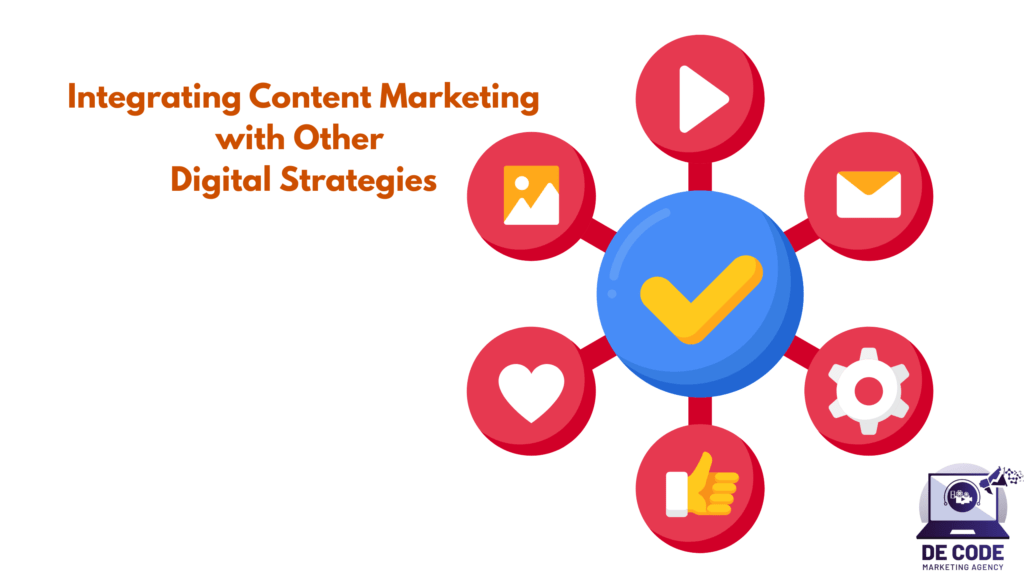
Content fuels social media marketing. Posts, videos, and stories all rely on high-quality content to engage followers and attract attention. Sharing valuable information across platforms increases visibility and drives traffic back to a website. Social media also provides useful feedback and audience insights that can guide future content strategies.
Valuable content encourages interaction, shares, and discussions across multiple channels, helping businesses build stronger customer relationships. See how this works alongside How Social Media Marketing Drives Business Growth.
2. Email Marketing
Email campaigns depend on compelling content to capture attention and encourage clicks. Personalized newsletters, product updates, and educational series keep subscribers engaged. Content marketing ensures that emails deliver value rather than just promotions.
3. Paid Advertising
Even paid campaigns need quality content. Ads with strong copy and visuals perform better and achieve higher click-through rates. Landing pages with persuasive content convert more visitors into customers. Content marketing enhances the effectiveness of paid efforts by ensuring consistency and relevance.
4. Influencer and Affiliate Marketing
Collaborating with influencers or affiliates extends a brand’s reach. However, success depends on authentic, valuable content. Influencers who share meaningful stories or reviews create stronger connections with audiences. Content marketing ensures that these collaborations align with brand values and messaging.
5. Public Relations and Brand Storytelling
Content marketing supports public relations by shaping brand narratives. Press releases, thought leadership articles, and brand stories help control messaging and reputation. Consistent storytelling across channels ensures that audiences perceive the brand as authentic and trustworthy.
6. Customer Experience and Support
Content plays a vital role in customer service. FAQs, knowledge bases, and tutorial videos empower customers to solve problems independently. This not only improves satisfaction but also reduces support costs. Well-crafted support content enhances the overall customer experience.
Measuring the Impact of Content Marketing

1. Key Performance Indicators (KPIs)
To evaluate success, marketers track metrics such as website traffic, engagement rates, conversion rates, and lead quality. These KPIs reveal how well content attracts and retains audiences.
2. SEO Metrics
Organic traffic, keyword rankings, and backlink profiles indicate how content performs in search engines. Improvements in these areas reflect stronger visibility and authority.
3. Engagement Metrics
Time on page, social shares, and comments measure how audiences interact with content. High engagement suggests that content resonates and provides value.
4. Conversion Metrics
Tracking form submissions, downloads, and purchases shows how content contributes to business goals. Conversion data helps refine strategies for better results.
5. Customer Lifetime Value (CLV)
Content marketing impacts long-term profitability by increasing customer retention and loyalty. Measuring CLV helps determine how content contributes to sustained revenue growth.
6. Brand Sentiment Analysis
Monitoring online mentions and sentiment helps assess how audiences perceive a brand. Positive sentiment indicates that content is building trust and credibility, while negative feedback highlights areas for improvement.
Advanced Content Marketing Strategies

1. Content Repurposing
Repurposing involves transforming existing content into new formats. A blog post can become a video, infographic, or podcast episode. This approach maximizes reach and ensures consistent messaging across platforms while saving time and resources.
2. Data-Driven Content Creation
Analytics tools reveal what topics, formats, and keywords perform best. Using data to guide content creation ensures relevance and effectiveness. Data-driven strategies also help identify content gaps and opportunities for improvement.
3. Storytelling and Emotional Connection
Facts inform, but stories inspire. Storytelling humanizes businesses and makes messages more memorable. By creating emotional connections with audiences, brands can build deeper relationships and encourage long-term loyalty.
Strong storytelling in content marketing also reinforces brand identity and values, helping businesses stand out in competitive markets. Explore this concept further in The Importance of Branding in Digital Marketing.
4. User-Generated Content (UGC)
Encouraging customers to share their experiences builds authenticity. Reviews, testimonials, and social media posts created by users act as powerful endorsements. UGC also increases engagement and trust.
5. Evergreen Content
Evergreen content remains relevant over time. Topics like “how-to guides” or “industry best practices” continue to attract traffic long after publication. Investing in evergreen content ensures long-term SEO benefits and consistent audience growth.
6. Content Personalization
Personalized content tailors messages to individual preferences and behaviors. Using data from browsing history, demographics, or past interactions, marketers can deliver more relevant experiences. Personalization increases engagement and conversion rates.
7. Content Localization
For global brands, localization ensures that content resonates with different cultures and languages. Adapting tone, imagery, and examples to local audiences enhances relatability and effectiveness.
The Future of Content Marketing

1. Personalization and AI
Advances in artificial intelligence enable personalized content experiences. AI tools analyze user behavior to deliver tailored recommendations and messages. This personalization increases relevance and engagement.
2. Interactive and Immersive Content
Interactive content—such as quizzes, polls, and augmented reality experiences—encourages participation. Immersive formats like virtual tours and 360-degree videos create memorable experiences that deepen brand connections.
3. Voice Search Optimization
As voice assistants become more common, optimizing content for voice search is essential. Conversational keywords and concise answers improve visibility in voice results.
4. Sustainability and Authenticity
Audiences increasingly value transparency and social responsibility. Brands that create authentic, purpose-driven content build stronger emotional connections and long-term loyalty.
5. The Rise of Micro-Content
Short-form content, such as quick videos or bite-sized posts, is gaining popularity. Platforms like TikTok and Instagram Reels show that audiences prefer fast, engaging content. Micro-content complements long-form strategies by capturing attention quickly.
6. Integration with Emerging Technologies
Virtual reality (VR), augmented reality (AR), and blockchain are reshaping how content is created and consumed. These technologies offer new ways to engage audiences and verify authenticity, opening new frontiers for content marketing.
7. Predictive Content Marketing
Predictive analytics uses data to forecast what content will perform best. By anticipating audience needs, marketers can create proactive strategies that stay ahead of trends.
Common Challenges in Content Marketing

1. Maintaining Consistency
Producing high-quality content regularly can be challenging. A clear content calendar and workflow help maintain consistency and ensure timely delivery.
2. Measuring ROI
Quantifying the return on investment for content marketing can be complex. Combining analytics tools and attribution models helps track performance more accurately.
3. Standing Out in a Crowded Market
With so much content online, differentiation is key. Unique perspectives, strong storytelling, and niche expertise help brands stand out.
4. Adapting to Algorithm Changes
Search and social media algorithms evolve constantly. Staying updated and flexible ensures that content strategies remain effective.
5. Balancing Quality and Quantity
Producing more content does not always mean better results. Focusing on quality ensures that each piece delivers value and aligns with brand goals.
6. Managing Multi-Channel Distribution
Distributing content across multiple platforms requires coordination. Using automation tools and centralized management systems helps maintain consistency and efficiency.
FAQ: Why Content Marketing is the Backbone of Digital Strategies

1. What is content marketing?
Content marketing is a digital strategy focused on creating and sharing valuable, relevant, and consistent content to attract and engage a target audience. It includes blogs, videos, social media posts, emails, infographics, and more.
2. Why is content marketing important in digital marketing?
Content marketing helps businesses build brand awareness, improve search engine rankings, generate leads, and nurture customer relationships. It supports every stage of the buyer journey and strengthens overall digital strategies.
3. How does content marketing improve SEO?
High-quality content helps websites rank higher on search engines by targeting relevant keywords, earning backlinks, increasing dwell time, and improving user experience. Regular content updates also help search engines index websites more effectively.
4. What types of content work best for marketing?
Popular content formats include blog posts, videos, case studies, infographics, podcasts, social media content, ebooks, and email newsletters. The best type depends on the audience and business goals.
5. How does content marketing generate leads?
Content marketing attracts potential customers through informative and engaging content. Businesses can use calls-to-action, landing pages, downloadable resources, and email subscriptions to convert visitors into leads.
6. Is content marketing better than traditional advertising?
Content marketing often delivers longer-lasting value than traditional advertising because it focuses on education, trust-building, and organic engagement rather than direct promotion. It also tends to have a higher return on investment over time.
7. How long does content marketing take to show results?
Content marketing is a long-term strategy. While some results may appear within a few weeks, significant improvements in traffic, SEO rankings, and lead generation usually take several months of consistent effort.
8. Can small businesses benefit from content marketing?
Yes. Content marketing is cost-effective and helps small businesses compete with larger brands by building authority, attracting targeted audiences, and increasing online visibility.
Conclusion
Content marketing is the backbone of digital strategies because it connects every element of online communication. It drives SEO, fuels social media, supports email campaigns, and enhances paid advertising. More importantly, it builds trust, educates audiences, and inspires action. In a world where consumers are bombarded with information, valuable content stands out as the key to meaningful engagement.
Businesses that invest in content marketing are not just promoting products—they are building relationships. By delivering consistent, high-quality content, brands can establish authority, attract loyal audiences, and achieve sustainable growth. As digital landscapes evolve, content will remain the foundation upon which all successful marketing strategies are built.