
Modern marketing has entered a new era one where instinct alone cannot sustain a brand. Businesses that once relied on broad assumptions about their customers are now discovering the immense competitive edge that comes from making smarter, evidence-based decisions. Data analytics in digital marketing sits at the heart of this transformation, giving brands the ability to look beyond surface-level results and understand the deeper forces shaping every customer interaction.
The volume of digital activity happening every minute is staggering. People search, scroll, click, watch, share, and purchase across dozens of platforms throughout each day. Each of those actions produces a data signal and when those signals are gathered intelligently and interpreted with precision, they form the foundation of marketing strategies that genuinely work. This is what data analytics in digital marketing makes possible: a shift from broad guesswork to sharp, targeted action that moves real business metrics.
This article takes a deep dive into what this discipline means in practice, why forward-thinking brands are putting it at the center of their growth strategies, and how you can apply it across every major marketing channel to build something more powerful than any single campaign could deliver on its own.
Understanding Data Analytics in Digital Marketing

Before exploring its application, it helps to clearly define what data analytics in digital marketing actually involves. Digital marketing analytics is the practice of gathering, analyzing, and interpreting data to make informed decisions and improve marketing performance across all your channels.
The data in question comes from a wide variety of sources how visitors navigate a website, which email subject lines prompt the most opens, which social posts generate real conversation versus passive scrolling, and which paid ad variations lead to purchases rather than just clicks. Every channel produces its own stream of information, and data analytics in digital marketing is the discipline that brings those streams together into a unified picture of what is working and what is not.
Within this discipline, four distinct analytical approaches each serve a specific purpose. Descriptive analysis looks backward to summarize what took place how many people visited, where they came from, and what actions they took. Diagnostic analysis goes one step further by investigating the reasons behind those outcomes, exploring why one campaign outperformed another or why a particular audience segment responded differently. Predictive analysis shifts the perspective forward, using historical patterns to anticipate what is likely to happen next so marketers can prepare accordingly. Prescriptive analysis is the most action-oriented layer it takes those predictions and translates them into specific recommendations for what a brand should do to achieve its desired outcome.
Together, these four layers make data analytics in digital marketing a genuinely comprehensive discipline, one that covers the full arc from reflection to action.
The Business Case for Data Analytics in Digital Marketing

There is a straightforward reason why data-driven brands consistently outperform those operating on intuition: they make fewer costly mistakes and more deliberate wins. Data analytics in digital marketing removes the guesswork from budget allocation, audience targeting, message crafting, and campaign timing all of which have a direct effect on profitability.
When a brand knows with confidence that a particular audience segment responds to a specific type of messaging at a specific time of day, it no longer has to spread budget thinly across untested approaches. It can concentrate resources where the evidence points, generate stronger returns, and reinvest those returns into even more refined campaigns. This compounding effect is one of the most powerful arguments for treating data analytics in digital marketing as a strategic priority rather than a tactical add-on.
The relationship between data and personalization is another major driver of business value. Today’s consumers are more selective than ever about the brands they give their attention to. Generic, one-size-fits-all messaging has lost its pull. People respond to communications that feel relevant to their specific situation, needs, and preferences. Data analytics in digital marketing makes that level of relevance achievable at scale not just for a handful of top customers, but across entire audience segments simultaneously.
There is also a risk-reduction dimension worth acknowledging. Launching a major campaign without data backing is an expensive gamble. Testing creative variations, validating audience assumptions, and benchmarking against past performance are all ways that data analytics in digital marketing reduces the likelihood of costly missteps before they happen at full scale.
How Data Analytics in Digital Marketing Works Across Every Channel

Search Engine Optimization
Ranking well in search results is not something that happens by accident, and it certainly does not happen by instinct alone. Data analytics in digital marketing is what separates SEO teams that consistently grow organic traffic from those that spin their wheels without progress.
The analytical tools available to SEO practitioners today provide granular visibility into how a website performs across thousands of search queries simultaneously. Marketers can see which topics draw in visitors who stay and explore, which pages send people away quickly, and which keyword categories carry the most commercial intent from searchers who are close to making a decision. Armed with this depth of insight, data analytics in digital marketing allows SEO teams to build content strategies grounded in actual search demand rather than assumptions, close the gaps that competitors are exploiting, and continually refine their approach based on what the data reveals week after week.
Content Strategy and Performance
A content team without access to performance data is essentially producing work in isolation. Data analytics in digital marketing connects content creators directly to audience behavior, revealing what subjects genuinely resonate, how long people engage with different formats, and which pieces of content have the longest-lasting impact on brand awareness and lead generation.
Beyond measuring what already exists, data analytics in digital marketing helps content teams make smarter decisions about what to create next. By analyzing search trends, audience questions, competitor gaps, and engagement patterns across owned channels, content strategists can prioritize topics with the highest potential return and stop spending time on formats or subjects that data consistently shows fail to capture meaningful attention.
Social Media Performance
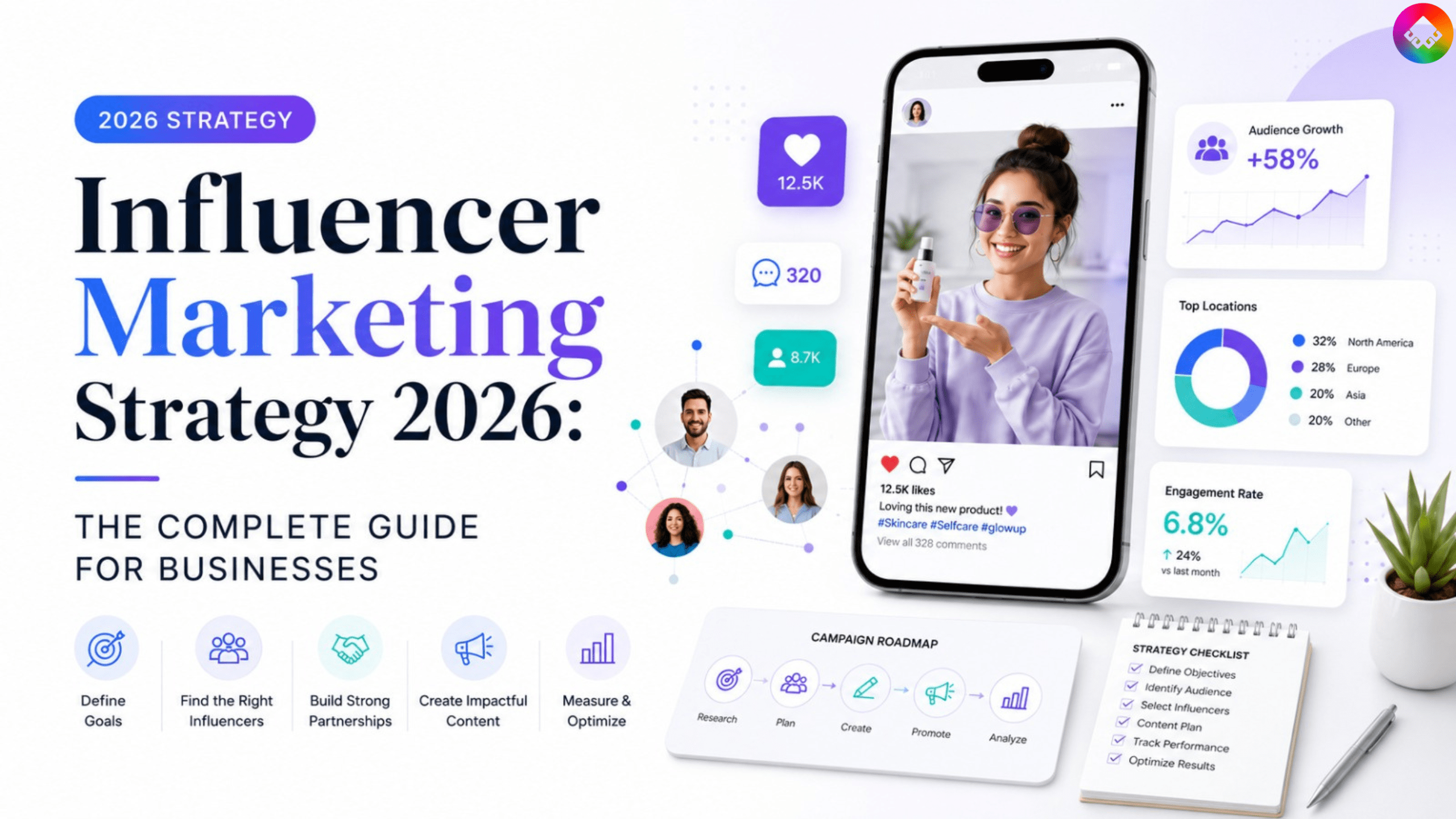
The social media landscape generates an extraordinary volume of behavioral signals every hour. Audience engagement patterns, sentiment shifts, content performance across demographic groups, and the response rates of different post formats all represent valuable data points. Data analytics in digital marketing turns this raw behavioral information into structured insight that social teams can act on with confidence.
Rather than posting according to guesswork or personal preference, data-driven social teams use analytical findings to schedule content at optimal times, craft messages that match the tone and topics their audiences actually engage with, and measure the direct contribution of social activity to broader business outcomes. When data analytics in digital marketing is embedded into social strategy, the line between social presence and measurable business impact becomes far clearer.
Email Marketing Precision
Few marketing channels offer the combination of directness and measurability that email provides. When data analytics in digital marketing is applied to an email program, that measurability becomes a genuine engine for improvement. Sending behavior, open patterns, click activity, and downstream conversion data collectively paint a detailed picture of what motivates each subscriber segment to take action.
Sophisticated email programs powered by data analytics in digital marketing go well beyond tracking opens and clicks. They use behavioral data to build dynamic audience segments, trigger messages based on specific customer actions, and continuously refine both content and timing through structured testing. The result is an email channel that evolves and improves with every send rather than repeating the same broad approach indefinitely.
Paid Advertising Efficiency
Digital advertising represents a significant investment for most brands, and the margin for waste is unforgiving. Data analytics in digital marketing provides the analytical layer that transforms paid campaigns from expensive experiments into precision instruments. By continuously monitoring performance data across audiences, creatives, placements, and bidding strategies, advertisers can identify exactly where money is generating returns and where it is leaking away without result.
The most effective paid advertising programs use data analytics in digital marketing to test systematically rather than randomly, build audience profiles from first-party behavioral data rather than broad demographic estimates, and set bidding strategies that reflect the actual value of each conversion opportunity rather than generic targets.
Essential Tools Supporting Data Analytics in Digital Marketing

No discussion of data analytics in digital marketing is complete without acknowledging the technology infrastructure that makes it possible. The right tools enable teams to collect clean data, analyze it efficiently, and communicate findings in ways that drive action.
Google Analytics 4 provides the foundational layer of web measurement for most brands, offering event-level tracking that captures the full complexity of how users move through digital experiences across devices and sessions.
Customer Data Platforms (CDPs) such as Segment or Bloomreach unify behavioral, transactional, and demographic data from multiple sources into a single customer profile, giving marketing teams the complete view they need to make data analytics in digital marketing genuinely impactful.
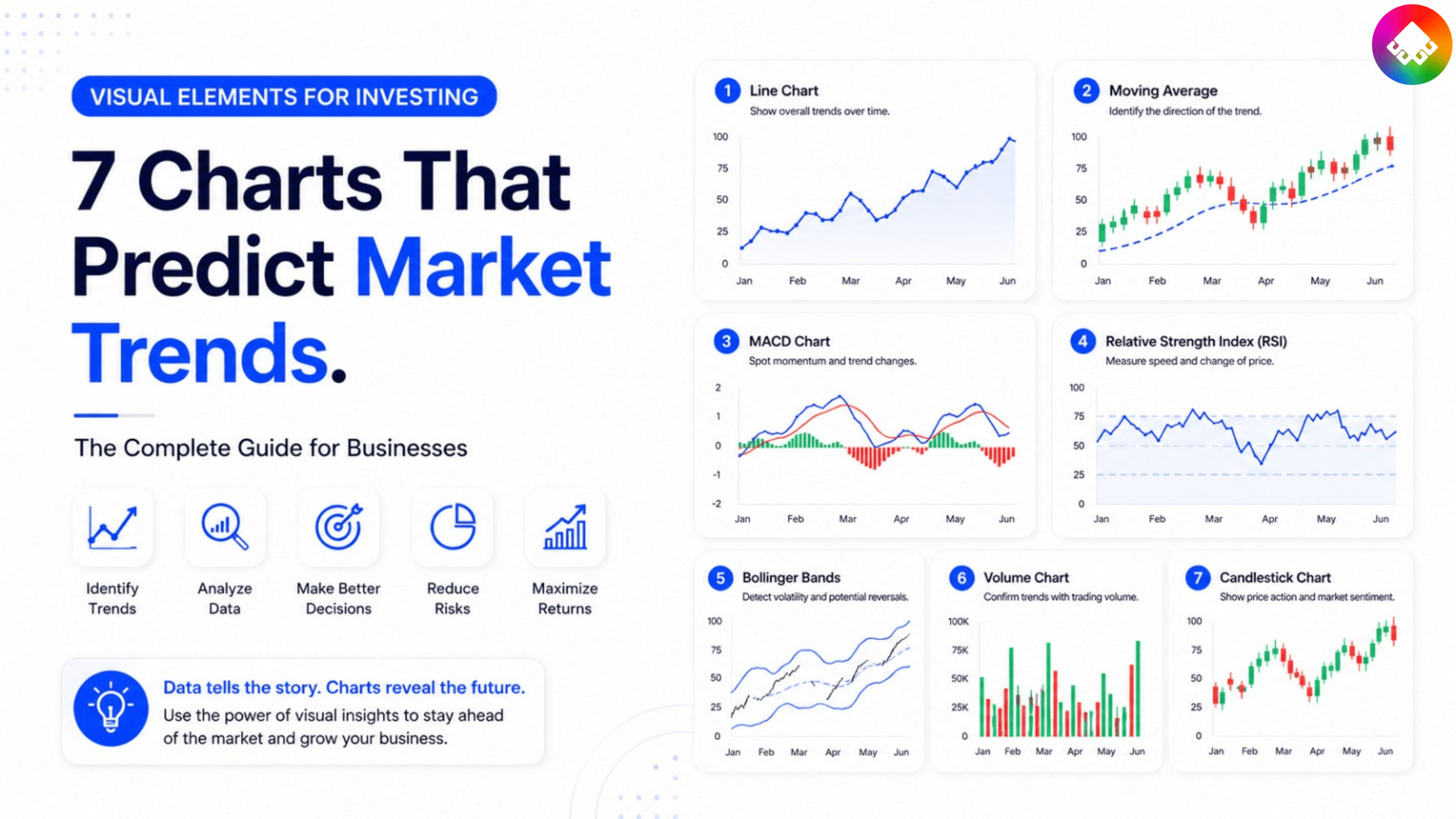
Business intelligence platforms like Tableau and Microsoft Power BI translate large and complex datasets into visual formats that make patterns immediately visible and shareable across teams and leadership levels.
Behavioral analytics tools including Hotjar and FullStory reveal the human dimension of website interaction where attention concentrates, where frustration emerges, and where users abandon their journey before completing a desired action.
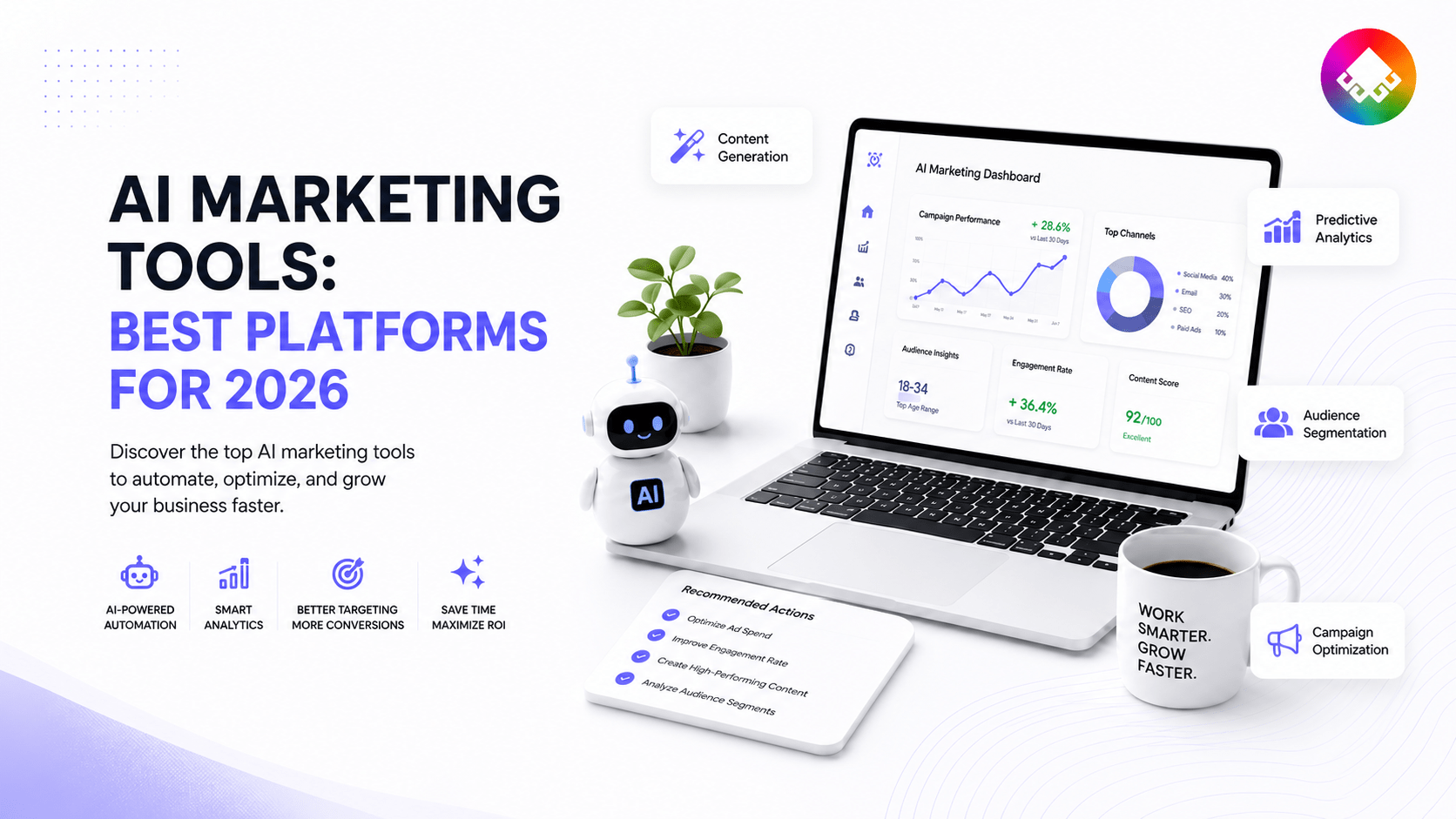
Marketing automation platforms such as Marketo, HubSpot, and ActiveCampaign embed data analytics in digital marketing directly into campaign execution, enabling teams to act on insights automatically rather than requiring manual intervention at every step.
Artificial Intelligence as a Force Multiplier for Data Analytics in Digital Marketing

The analytical capabilities that artificial intelligence brings to marketing have genuinely expanded what is possible within data analytics in digital marketing. Tasks that once required teams of analysts working over days or weeks can now be completed by machine learning models in minutes, at a scale and granularity that no human team could match.
Sentiment analysis powered by natural language processing gives brands continuous visibility into how audiences feel about their products, messaging, and overall reputation drawn from customer reviews, comment sections, and support interactions across every channel simultaneously. This real-time emotional intelligence adds a dimension to data analytics in digital marketing that purely numerical data cannot capture on its own.
AI-powered audience modeling has also fundamentally changed how brands approach targeting. Rather than building segments from basic demographic filters, machine learning systems can identify nuanced behavioral patterns that predict purchasing intent with far greater accuracy. When this capability is integrated into data analytics in digital marketing workflows, the precision of both paid and organic campaigns improves dramatically.
Predictive churn modeling, content recommendation engines, dynamic pricing algorithms, and automated anomaly detection are among the growing range of AI capabilities now embedded within data analytics in digital marketing platforms. Each of these represents not just an efficiency gain but a qualitative improvement in the quality of decisions marketing teams are equipped to make.
Creating an Organization Built Around Data Analytics in Digital Marketing

Having the right tools and talent is necessary but not sufficient. For data analytics in digital marketing to deliver its full value, it needs to be woven into the decision-making fabric of the entire organization not confined to a single analytics team that produces reports few people read.
The brands that extract the most value from data share a common characteristic: their teams ask analytical questions instinctively. Before a campaign launches, they ask what the data suggests about which approach is likely to work best. After a campaign ends, they ask what the results reveal and how those findings should shape the next initiative. This habit of continuous inquiry is what transforms data analytics in digital marketing from a reporting exercise into a genuine organizational capability.
Leadership plays a critical role in establishing this culture. When senior decision-makers demonstrate that they value data-informed recommendations over opinion-based proposals, the entire organization adjusts its behavior accordingly. Teams invest more effort in measurement because they see that measurement influences decisions. Analysts feel that their work has purpose because they can observe it shaping strategy. This virtuous cycle is what separates organizations where data analytics in digital marketing truly thrives from those where it remains underutilized.
Cross-functional data sharing is equally important. Marketing insights often have implications for product development, customer service, sales strategy, and operational planning. Breaking down the walls between departments so that data flows freely and that data analytics in digital marketing insights inform decisions beyond the marketing function — multiplies the overall business value that the discipline generates.
Navigating the Real Challenges Within Data Analytics in Digital Marketing
Progress in data analytics in digital marketing does not come without obstacles. Understanding these challenges clearly is the first step toward addressing them effectively.
Privacy regulation has reshaped the landscape significantly. Legislative frameworks governing data collection and usage have grown stricter across most major markets, and consumers themselves are more protective of their personal information than they were even three years ago. Brands that approach data analytics in digital marketing with a privacy-first mindset building transparent data practices and investing in first-party data collection will be far better positioned as this regulatory environment continues to evolve.
Data fragmentation is a persistent operational challenge. Many organizations collect data across a wide variety of disconnected tools and platforms, resulting in fragmented views that make it difficult to understand the customer journey as a whole. Resolving this fragmentation requires both technical investment in data infrastructure and organizational commitment to treating data analytics in digital marketing as a unified discipline rather than a collection of siloed channel reports.
Analytical interpretation errors represent a subtler but equally significant risk. Data is only as useful as the conclusions drawn from it, and confirmation bias, sampling errors, and correlation-causation confusion can all lead teams to make confident decisions based on flawed reasoning. Building analytical literacy across marketing teams not just among specialists is an essential safeguard within any serious data analytics in digital marketing program.
What the Future Holds for Data Analytics in Digital Marketing

The trajectory of data analytics in digital marketing points clearly toward greater intelligence, greater speed, and greater personalization than anything the industry has seen so far.
Cookieless measurement solutions are already being built and tested by the leading platforms, and brands that invest now in first-party data infrastructure will find themselves in a far stronger position as these transitions complete. The ability to understand your audience based on direct relationships rather than third-party tracking will be a defining competitive advantage.
Streaming analytics, the ability to process and act on behavioral data in real time rather than in batched reports will become standard practice for leading brands. When data analytics in digital marketing operates at the speed of customer behavior itself, marketing responses can be adaptive and immediate rather than retrospective and delayed.
The continued maturation of AI will make advanced analytical capabilities available to smaller teams and more modest budgets. What once required enterprise-scale investment will become accessible to growing brands, democratizing the power of data analytics in digital marketing across the broader business landscape.
FAQ: The Power of Data Analytics in Digital Marketing

1. What is data analytics in digital marketing?
Data analytics in digital marketing refers to the process of collecting, measuring, and analyzing marketing data to improve campaign performance, understand customer behavior, and make informed business decisions.
2. Why is data analytics important for digital marketing?
Data analytics helps businesses track performance, identify trends, optimize campaigns, improve targeting, and increase ROI. It enables marketers to make data-driven decisions instead of relying on assumptions.
3. How does data analytics improve marketing campaigns?
By analyzing metrics such as traffic, conversions, engagement, and customer behavior, marketers can identify what works and adjust strategies to improve results and maximize efficiency.
4. What tools are commonly used for digital marketing analytics?
Popular tools include Google Analytics, Google Ads, Meta Insights, HubSpot, and SEMrush.
5. What metrics should businesses track in digital marketing?
Key metrics include website traffic, bounce rate, click-through rate (CTR), conversion rate, customer acquisition cost (CAC), return on investment (ROI), and engagement rates.
6. How does data analytics help understand customer behavior?
Analytics tools track user actions, preferences, demographics, and browsing patterns, helping businesses create personalized marketing strategies and better customer experiences.
7. Can small businesses benefit from data analytics?
Yes. Small businesses can use data analytics to understand their audience, optimize marketing budgets, improve targeting, and compete more effectively in the digital marketplace.
8. What is predictive analytics in digital marketing?
Predictive analytics uses historical data, machine learning, and statistical models to forecast customer behavior and future trends, helping marketers make proactive decisions.
Conclusion
Every marketing investment, every creative decision, and every audience interaction produces information. The brands that capture that information systematically, interpret it honestly, and act on it decisively are the ones that grow with purpose rather than by accident.
Data analytics in digital marketing is not a technical specialty reserved for data scientists or enterprise organizations with limitless resources. It is a practical discipline available to any brand willing to commit to the habit of learning from evidence and using that learning to get better over time.
The competitive distance between data-driven brands and those still operating on instinct grows wider with every passing quarter. Closing that gap or widening it in your favor begins with a genuine commitment to data analytics in digital marketing as the strategic engine behind everything your brand does.