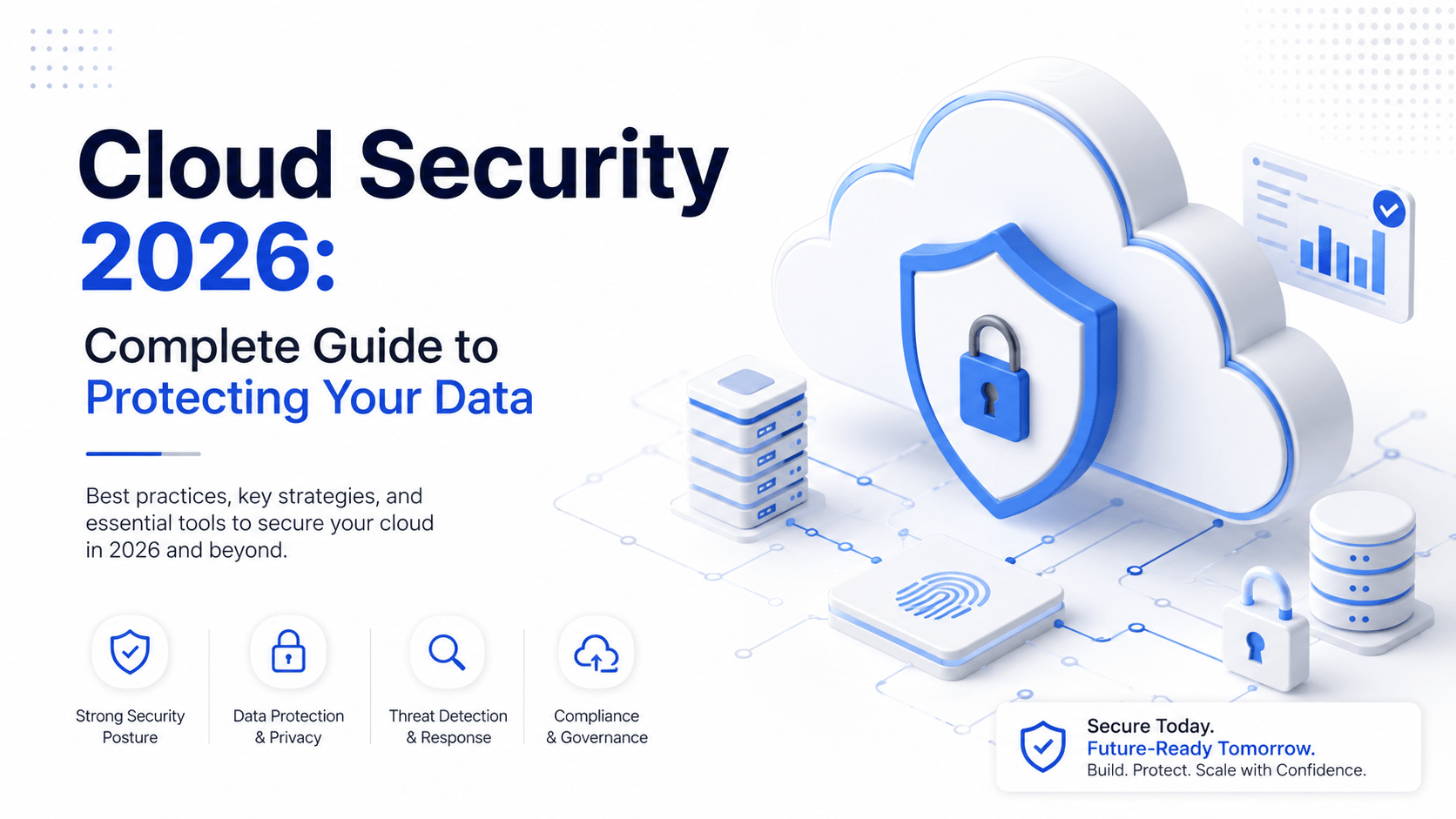
Cloud Security is the foundation of modern digital infrastructure. As organizations increasingly migrate their data, applications, and workloads to the cloud, ensuring robust Cloud Security becomes essential. In 2026, the cloud landscape continues to evolve rapidly, with new technologies, threats, and compliance requirements shaping how businesses protect their digital assets. It encompasses a wide range of practices, technologies, and policies designed to safeguard cloud-based systems, data, and networks from unauthorized access, data breaches, and cyberattacks.
The importance of Cloud Security cannot be overstated. With the rise of hybrid and multi-cloud environments, organizations face complex challenges in maintaining visibility, control, and compliance across diverse platforms. This guide explores the key components, strategies, and best practices for achieving strong security in 2026.
Understanding Cloud Security

Cloud security refers to the procedures, policies, and technologies organizations use to protect cloud-based applications, infrastructure, and data from data breaches, unauthorized access, and cyberattacks. It ensures data confidentiality, integrity, and availability while maintaining compliance with industry standards. It covers multiple layers, including infrastructure, applications, and user access.
Key Objectives
- Data Protection: Safeguarding sensitive information from unauthorized access or loss.
- Threat Prevention: Detecting and mitigating cyber threats such as malware, ransomware, and phishing.
- Compliance Management: Meeting regulatory requirements like GDPR, HIPAA, and ISO 27001.
- Identity and Access Control: Ensuring only authorized users can access specific resources.
- Business Continuity: Maintaining operations during and after security incidents.
Security is not a one-time setup but an ongoing process that evolves with emerging threats and technologies.
The Evolution of Cloud Security

The journey of Cloud Security has been shaped by technological advancements and the growing sophistication of cyber threats. Initially, cloud providers focused on securing their infrastructure, but as cloud adoption expanded, shared responsibility models emerged. In 2026, these systems emphasize automation, zero trust, and AI-driven threat detection.
Key Milestones in Cloud Security Evolution
- Early 2010s: Basic encryption and firewall protection.
- Mid-2010s: Introduction of shared responsibility models.
- 2020s: Rise of zero trust architecture and AI-based monitoring.
- 2026: Integration of quantum-resistant encryption and autonomous Cloud Security systems.
This evolution reflects the need for adaptive, intelligent, and proactive defense mechanisms.
The Shared Responsibility Model

A fundamental concept in Cloud Security is the shared responsibility model. It defines the division of security duties between cloud service providers (CSPs) and customers.
Responsibilities of Cloud Providers
- Securing physical infrastructure and data centers.
- Managing network and hardware security.
- Ensuring platform-level compliance and uptime.
Responsibilities of Customers
- Managing user access and identity controls.
- Encrypting data and managing keys.
- Configuring applications and workloads securely.
As businesses increasingly depend on cloud-based platforms for communication, analytics, and customer engagement, understanding security responsibilities becomes essential. Organizations implementing modern technologies should also explore 10 Digital Marketing Strategies for 2026 Success to ensure innovation and data protection evolve together.
Types of Cloud Security

Security strategies vary depending on the deployment model: public, private, hybrid, or multi-cloud. Each model presents unique challenges and requires tailored security measures.
1. Public Cloud Security
Public cloud environments, such as AWS, Azure, and Google Cloud, offer scalability and cost efficiency. However, they also expose organizations to shared infrastructure risks. Security in public clouds focuses on identity management, encryption, and continuous monitoring.
2. Private Cloud Security
Private clouds provide dedicated infrastructure for a single organization. Security in private environments emphasizes internal access control, network segmentation, and compliance enforcement.
3. Hybrid Cloud Security
Hybrid clouds combine public and private environments. Security in hybrid setups requires seamless integration, consistent policy enforcement, and secure data transfer between environments.
4. Multi-Cloud Security
Multi-cloud strategies involve using multiple providers. Security in multi-cloud environments focuses on unified visibility, centralized management, and cross-platform compliance.
Core Components of Cloud Security

Effective protection relies on several key components that work together to protect data and systems.
1. Identity and Access Management (IAM)
IAM ensures that only authorized users can access specific resources. These systems use IAM tools to enforce least privilege access, multi-factor authentication (MFA), and role-based permissions.
2. Data Encryption
Encryption is a cornerstone of cloud protection. It protects data at rest, in transit, and during processing. Advanced encryption algorithms and key management systems ensure that even if data is intercepted, it remains unreadable.
3. Network Security
These frameworks include firewalls, intrusion detection systems (IDS), and virtual private networks (VPNs) to protect network traffic. Network segmentation and micro-segmentation further isolate workloads to minimize attack surfaces.
4. Endpoint Security
Endpoints such as laptops, mobile devices, and IoT sensors are potential entry points for attackers. Modern systems integrate endpoint protection platforms (EPP) and endpoint detection and response (EDR) tools to monitor and secure devices.
5. Application Security
Security extends to applications hosted in the cloud. Secure coding practices, vulnerability scanning, and runtime protection help prevent exploitation of application-level weaknesses.
6. Compliance and Governance
Security frameworks ensure adherence to legal and regulatory standards. Automated compliance tools help organizations maintain continuous alignment with evolving regulations.
Emerging Trends in Cloud Security 2026
The security landscape in 2026 is shaped by technological innovation and evolving threat vectors. Several trends define the future of Cloud Security.
1. Zero Trust Architecture
Zero trust eliminates implicit trust within networks. Every access request is verified, regardless of origin. Modern frameworks in 2026 heavily rely on zero trust principles to minimize insider threats and lateral movement.
2. AI and Machine Learning in Cloud Security
Artificial intelligence enhances security by automating threat detection, anomaly analysis, and incident response. Machine learning models identify patterns that indicate potential breaches before they occur.
3. Quantum-Resistant Encryption
With quantum computing on the horizon, modern systems now incorporate quantum-resistant algorithms to protect data against future decryption capabilities
4. Cloud-Native Security
As organizations adopt containerization and serverless computing, Security measures adapt to protect dynamic, ephemeral workloads. Cloud-native security tools integrate directly into DevOps pipelines.
5. Automated Compliance
Automation simplifies compliance management. Modern platforms now include continuous compliance monitoring, reducing manual audits and ensuring real-time adherence to standards. Maintaining compliance not only reduces security risks but also strengthens customer confidence. Building that trust is equally important in The Importance of Branding in Digital Marketing, where transparency and reliability contribute to long-term brand success.
6. Secure Access Service Edge (SASE)
SASE combines network security and wide-area networking into a unified cloud-based service. It enhances protection by providing secure, scalable access for remote users.
Common Cloud Security Threats

Despite advancements, cloud environments face persistent and emerging threats. Understanding these risks is essential for proactive defense.
1. Data Breaches
Unauthorized access to sensitive data remains the top Cloud Security concern. Breaches often result from weak credentials, misconfigurations, or unpatched vulnerabilities.
2. Misconfigurations
Improperly configured cloud resources expose data and systems to attackers. Modern tools now include automated configuration checks to prevent such errors.
3. Insider Threats
Employees or contractors with privileged access can intentionally or accidentally compromise security. Monitoring user behavior and enforcing least privilege access help mitigate this risk.
4. Denial-of-Service (DoS) Attacks
Attackers can overwhelm cloud resources, causing downtime. Modern solutions use traffic filtering and load balancing to maintain availability.
5. Insecure APIs
APIs are critical for cloud integration but can be exploited if not secured. Security frameworks include API gateways and authentication mechanisms to protect interfaces.
6. Malware and Ransomware
Malicious software can infiltrate cloud environments through compromised endpoints or applications. Advanced systems employ threat detection and sandboxing to neutralize such attacks.
Best Practices for Cloud Security

Implementing best practices ensures a strong Security posture.
- Adopt a Zero Trust Model
- Encrypt Everything
- Implement Strong IAM Policies
- Regularly Update and Patch Systems
- Monitor Continuously
- Conduct Regular Security Audits
- Train Employees
Cloud Security Compliance and Regulations

Compliance is a critical aspect of Cloud protection. Organizations must adhere to various frameworks depending on their industry and location.
Key Compliance Standards
- GDPR
- HIPAA
- ISO 27001
- SOC 2
- PCI DSS
Modern Security solutions often include compliance dashboards and automated reporting to simplify adherence.
Cloud Security Tools and Technologies
A wide range of tools support support Security initiatives.
- Cloud Access Security Brokers (CASB)
- Security Information and Event Management (SIEM)
- Cloud Workload Protection Platforms (CWPP)
- Cloud Security Posture Management (CSPM)
- Data Loss Prevention (DLP)
The Role of Artificial Intelligence in Cloud Security

AI revolutionizes Security by enabling predictive analytics and automated responses. Machine learning models analyze vast datasets to identify anomalies, detect intrusions, and recommend remediation actions. In 2026, AI-driven systems can autonomously isolate compromised resources, reducing response times and minimizing damage.
Cloud Security for Small and Medium Enterprises (SMEs)
SMEs often lack the resources of large corporations but face similar security challenges. Affordable, scalable solutions such as managed security services and cloud-native tools help SMEs strengthen their defenses. Key strategies include adopting multi-factor authentication, using secure cloud storage, and leveraging automated compliance tools.
Advanced Cloud Security Strategies

1. DevSecOps Integration
Integrating security into DevOps pipelines ensures that protection is embedded throughout the software development lifecycle. Automated testing, vulnerability scanning, and continuous monitoring help identify risks early.
2. Threat Intelligence Sharing
Collaborative threat intelligence enhances security by allowing organizations to share information about emerging threats. This collective defense approach improves detection and response capabilities.
3. Behavioral Analytics
Behavioral analytics tools monitor user and system behavior to detect anomalies. Security platforms use these insights to identify insider threats and compromised accounts.
4. Micro-Segmentation
Micro-segmentation divides cloud environments into smaller zones, limiting lateral movement in case of a breach. This approach strengthens protection by isolating workloads and minimizing exposure.
5. Disaster Recovery and Backup
A robust disaster recovery plan is essential for cloud protection. Automated backups, replication, and failover mechanisms ensure data availability during outages or attacks.
Cloud Security in Industry Applications

Security plays a vital role across all industries, ensuring that sensitive data, intellectual property, and operational systems remain protected from cyber threats. Each sector faces unique challenges and compliance requirements, making tailored security strategies essential.
1. Healthcare
Security in healthcare focuses on protecting patient data, maintaining HIPAA compliance, and ensuring the integrity of electronic health records (EHRs). Healthcare providers increasingly rely on cloud-based telemedicine platforms and data analytics tools, which require end-to-end encryption, secure APIs, and strict access controls. Advanced measures such as tokenization and anonymization help safeguard patient identities while enabling data sharing for research and diagnostics.
2. Finance
Financial institutions depend on Cloud Security to protect transactions, customer data, and digital assets. The finance sector faces constant threats from phishing, ransomware, and insider attacks.” (Keep as is, add context before). Security frameworks in this industry emphasize multi-factor authentication, continuous monitoring, and compliance with standards like PCI DSS and ISO 27001. AI-driven fraud detection systems integrated with cloud platforms enhance real-time threat prevention and transaction integrity.
3. Education
Educational institutions use security measures to protect student records, research data, and online learning platforms. With the rise of remote learning, secure identity management and endpoint protection have become critical. These measures ensure that collaboration tools and virtual classrooms remain safe from unauthorized access and data leaks.
4. Government
Government agencies rely on robust security to protect national data, citizen information, and critical infrastructure. Compliance with frameworks such as FedRAMP and NIST ensures that sensitive data is stored and processed securely. Cloud Security also supports secure inter-agency collaboration and disaster recovery planning.
5. E-commerce
E-commerce platforms depend on Cloud Security to protect payment information, customer data, and supply chain systems. Secure APIs, encryption, and DLP tools prevent data theft and fraud. Cloud Security also enables scalability during high-traffic periods while maintaining compliance with global data protection laws.
6. Manufacturing and Energy
Manufacturing and energy sectors increasingly adopt Industrial Internet of Things (IIoT) and smart systems connected to the cloud. Cloud Security in these industries focuses on securing operational technology (OT) networks, preventing industrial espionage, and ensuring uptime of critical systems. Real-time monitoring, network segmentation, and AI-based anomaly detection are essential to prevent disruptions and maintain safety.
Cloud Security across industries ensures operational resilience, regulatory compliance, and trust. As digital transformation accelerates, industry-specific Cloud Security frameworks will continue to evolve, integrating automation, AI, and zero trust principles to protect critical assets and data.
Cloud Security Architecture and Design Principles

A well-designed Cloud Security architecture ensures that protection is built into every layer of the cloud environment. The architecture should include defense-in-depth strategies, redundancy, and continuous monitoring.
Key Design Principles
Least Privilege Access: Users should only have access to the resources necessary for their roles.
- Defense in Depth: Multiple layers of security controls protect against different types of threats.
- Automation: Automated responses reduce human error and improve incident response times.
- Visibility: Centralized dashboards provide real-time insights into security posture.
- Resilience: Systems should be designed to recover quickly from attacks or failures.
- Cloud Security architecture must evolve continuously to address new vulnerabilities and technologies.
Cloud Security and Data Privacy

Data privacy is a major concern in Cloud Security. Organizations must ensure that personal and sensitive data is handled according to privacy laws and ethical standards. Data anonymization, tokenization, and encryption are key techniques for maintaining privacy.
Data Residency and Sovereignty
Cloud Security must also address where data is stored and processed. Different countries have varying regulations regarding data residency. Organizations must ensure compliance with local laws while maintaining global operations.
Cloud Security Automation and Orchestration

Automation plays a vital role in modern Cloud Security. Security orchestration, automation, and response (SOAR) platforms streamline incident management by automating repetitive tasks such as alert triage, threat containment, and remediation.
Benefits of Automation
- Faster incident response
- Reduced human error
- Improved scalability
- Consistent policy enforcement
Automation allows Cloud Security teams to focus on strategic initiatives rather than manual operations.
Cloud Security Metrics and KPIs

Measuring Cloud Security performance is essential for continuous improvement. Key performance indicators (KPIs) help organizations assess the effectiveness of their security strategies.
Common Cloud Security Metrics
- Mean Time to Detect (MTTD): Average time to identify a threat.
- Mean Time to Respond (MTTR): Average time to mitigate a threat.
- Number of Incidents: Total security events over a period.
- Compliance Score: Percentage of compliance with standards.
- Patch Management Rate: Frequency of system updates and patches.
Tracking these metrics ensures that Cloud Security remains proactive and effective.
Cloud Security and the Internet of Things (IoT)
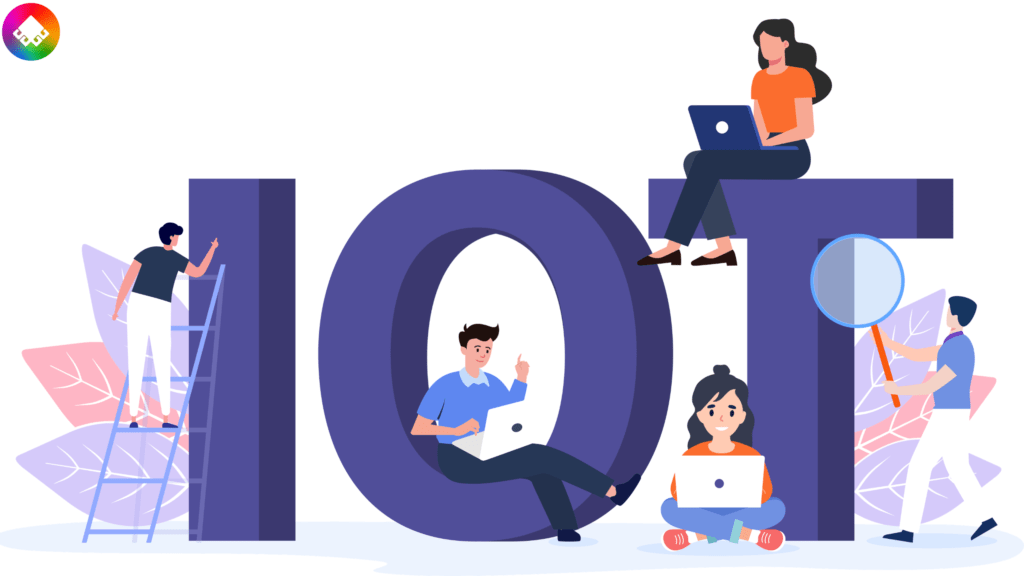
The integration of IoT devices with cloud platforms introduces new Cloud Security challenges. Each connected device represents a potential entry point for attackers. Securing IoT in the cloud requires device authentication, encrypted communication, and continuous monitoring.
IoT Cloud Security Strategies
- Implement device identity management.
- Use secure communication protocols.
- Regularly update firmware and software.
- Segment IoT networks from critical systems.
As IoT adoption grows, Cloud Security must adapt to protect billions of connected devices.
The Future of Cloud Security
The future of Cloud Security is defined by automation, intelligence, and resilience. As cyber threats grow more sophisticated, Cloud Security will increasingly rely on AI, quantum-safe encryption, and decentralized identity systems. Organizations will adopt proactive defense models that predict and prevent attacks before they occur.
By 2030, Cloud Security will likely integrate seamlessly with all aspects of digital infrastructure, providing continuous, adaptive protection across every layer of the cloud ecosystem.
Cloud Security 2026: Complete Guide to Protecting Your Data – FAQ

1. What is cloud security?
Cloud security refers to the technologies, policies, controls, and practices used to protect data, applications, and infrastructure hosted in cloud environments from cyber threats, unauthorized access, and data breaches.
2. Why is cloud security important in 2026?
As organizations increasingly rely on cloud services, protecting sensitive data, maintaining compliance, preventing cyberattacks, and ensuring business continuity have become essential priorities.
3. What are the main types of cloud environments?
The primary cloud deployment models include:
- Public cloud
- Private cloud
- Hybrid cloud
- Multi-cloud
4. What are the biggest cloud security threats?
Common threats include:
- Data breaches
- Misconfigured cloud settings
- Ransomware attacks
- Insider threats
- Account hijacking
- Phishing attacks
- API vulnerabilities
5. What is the shared responsibility model?
The shared responsibility model means cloud providers secure the underlying infrastructure, while customers are responsible for securing their data, user access, applications, and configurations.
6. How can businesses protect data stored in the cloud?
Organizations can improve cloud security by:
- Encrypting data
- Using strong access controls
- Implementing multi-factor authentication (MFA)
- Regularly monitoring systems
- Conducting security audits
7. What is data encryption in cloud security?
Encryption converts data into unreadable code that can only be accessed with the proper decryption key, helping protect information both in transit and at rest.
8. What is multi-factor authentication (MFA)?
MFA adds an extra layer of security by requiring users to verify their identity using two or more authentication methods before gaining access.
Conclusion
Cloud Security in 2026 is more critical than ever. As organizations embrace digital transformation, securing cloud environments becomes a top priority. Effective Cloud Security requires a combination of advanced technologies, strategic planning, and continuous vigilance. From zero trust architectures to AI-driven defense systems, the future of Cloud Security promises greater resilience, automation, and intelligence.
By understanding the principles, challenges, and best practices outlined in this guide, organizations can build a robust Cloud Security framework that protects their data, ensures compliance, and supports long-term growth in the evolving digital landscape.