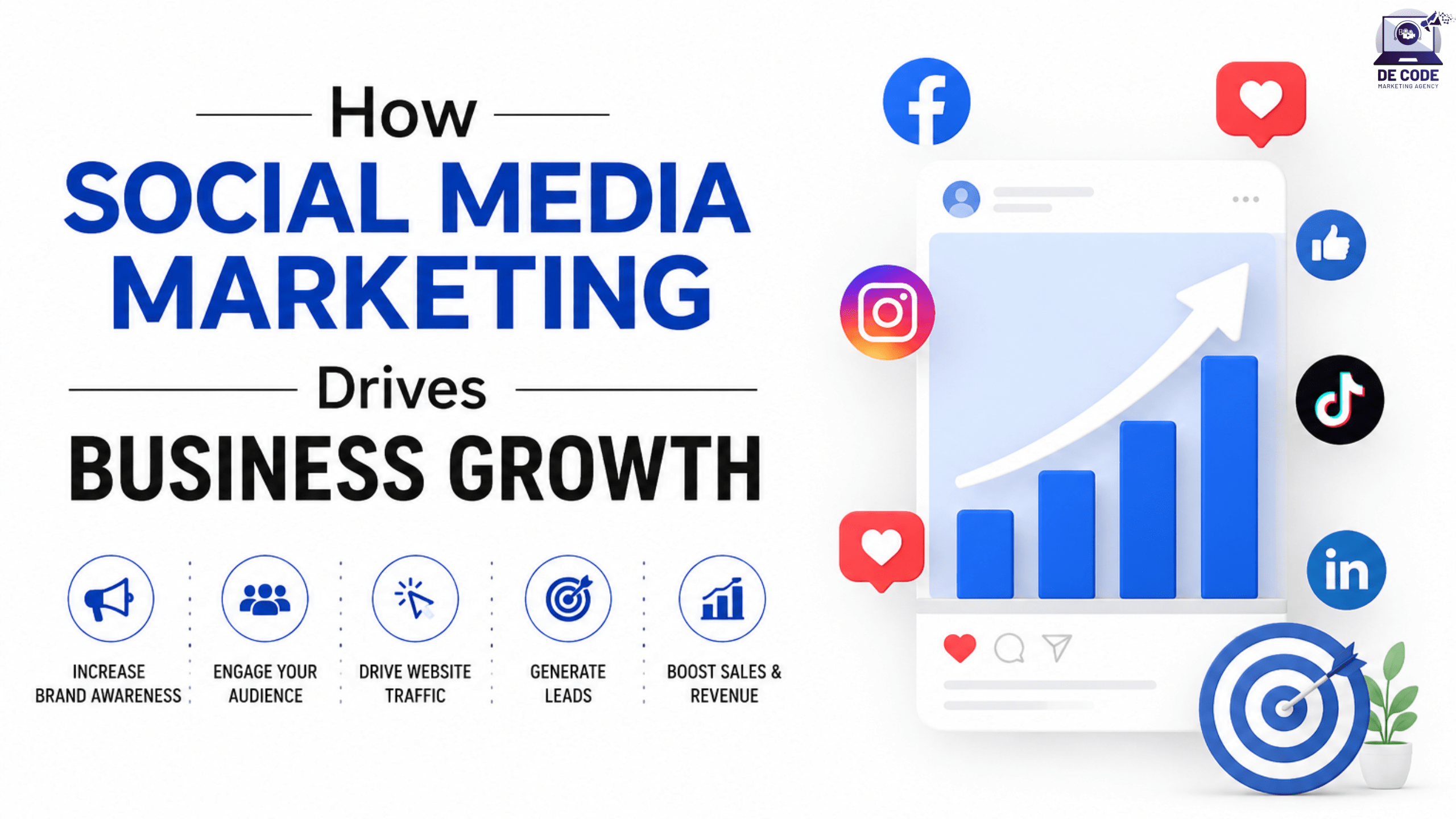
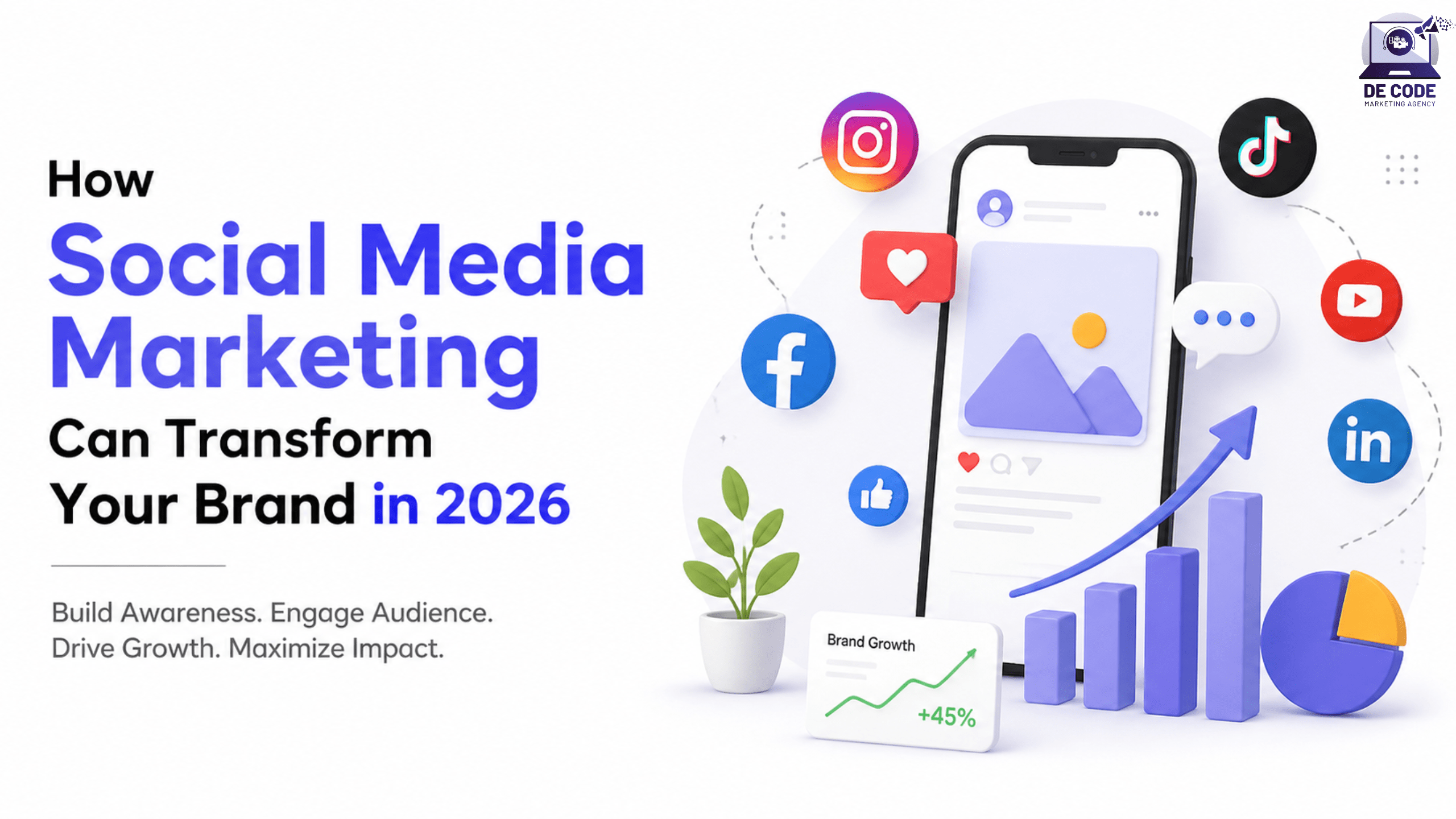
In 2026, social media marketing continues to be one of the most powerful tools for brand growth. With billions of active users across platforms like Instagram, TikTok, Facebook, LinkedIn, and emerging networks, businesses have more opportunities than ever to connect with their audiences. Social media is no longer just a place for sharing updates—it’s a dynamic ecosystem where brands can build trust, drive sales, and create loyal communities.
As highlighted in our guide on Digital Marketing Trends 2026, this space continues to evolve rapidly, offering new ways for brands to engage audiences and stay competitive.
This guide explores how social media marketing can transform a brand in 2026. It covers the latest trends, strategies, and technologies shaping the digital landscape, and provides actionable insights for businesses aiming to strengthen their online presence.
The Evolution of Social Media Marketing
From Connection to Commerce
Social media began as a way for people to connect. Over time, it evolved into a marketplace where brands and consumers interact directly. In 2026, social media platforms are integrated with e-commerce tools, allowing users to shop without leaving the app. Features like shoppable posts, live shopping, and AI-driven recommendations have turned social media into a full-fledged sales channel.
The Rise of AI and Automation
Artificial intelligence has revolutionized how brands manage their social presence. AI tools now handle content creation, audience targeting, and performance analysis. Predictive analytics help marketers understand what content will perform best, while chatbots provide instant customer support. Automation saves time and ensures consistent engagement across multiple platforms.
The Power of Personalization
Consumers expect personalized experiences. Social media algorithms now prioritize content that aligns with individual interests and behaviors. Brands that use data-driven insights to tailor their messages see higher engagement and conversion rates. Personalization in 2026 goes beyond using a customer’s name—it’s about delivering the right message at the right time through the right channel.
Why Social Media Marketing Matters in 2026
1. Expanding Brand Awareness
Social media gives brands global visibility. A single viral post can reach millions of users within hours. Consistent posting, storytelling, and engagement help brands stay top-of-mind. In 2026, visual content—especially short-form videos—dominates feeds, making creativity essential for standing out.
2. Building Trust and Credibility
Consumers trust brands that are authentic and transparent. Social media allows businesses to show their human side through behind-the-scenes content, customer testimonials, and real-time interactions. Responding to comments and messages builds credibility and fosters long-term relationships.
3. Driving Website Traffic and Conversions
Social media acts as a gateway to a brand’s website. Strategic use of links, call-to-action buttons, and targeted ads can drive qualified traffic. In 2026, social commerce features like in-app checkout reduce friction, allowing users to complete purchases instantly.
4. Enhancing Customer Engagement
Engagement is the heart of social media marketing. Likes, shares, comments, and mentions indicate how well a brand connects with its audience. Interactive content such as polls, quizzes, and live streams encourages participation and strengthens community bonds.
5. Gathering Valuable Insights
Social media platforms provide detailed analytics on audience behavior, preferences, and demographics. These insights help brands refine their strategies, improve products, and deliver better customer experiences. In 2026, AI-powered analytics tools make it easier to interpret data and predict trends.
Key Social Media Platforms in 2026
1. Instagram
Instagram remains a visual powerhouse. With features like Reels, Stories, and in-app shopping, it’s ideal for lifestyle and fashion brands. In 2026, augmented reality (AR) filters and AI-generated content enhance user engagement. Brands use Instagram to showcase products, share tutorials, and collaborate with influencers.
2. TikTok
TikTok continues to dominate short-form video content. Its algorithm favors creativity and authenticity, giving small brands a chance to go viral. In 2026, TikTok’s integration with e-commerce platforms allows seamless shopping experiences. Brands use TikTok for storytelling, challenges, and trend-based marketing.
3. Facebook
Despite competition, Facebook remains a key platform for community building and advertising. Its advanced targeting options make it effective for reaching specific demographics. In 2026, Facebook Groups and Marketplace continue to thrive, offering brands opportunities to engage with niche audiences.
4. LinkedIn
LinkedIn is the go-to platform for B2B marketing. It’s where professionals connect, share insights, and build authority. In 2026, LinkedIn’s content ecosystem supports video posts, newsletters, and live events, helping brands establish thought leadership and attract high-value clients.
5. X (formerly Twitter)
X focuses on real-time communication and trending topics. Brands use it for customer service, announcements, and thought leadership. In 2026, X’s integration with AI-driven analytics helps brands track sentiment and respond quickly to public feedback.
6. Emerging Platforms
New platforms continue to emerge, catering to specific interests and communities. Audio-based networks, virtual reality spaces, and decentralized social apps are gaining traction. Brands that experiment early with these platforms can gain a competitive edge.
Strategies for Effective Social Media Marketing in 2026
1. Develop a Strong Brand Identity
A consistent brand identity builds recognition and trust. This includes a cohesive visual style, tone of voice, and messaging. In 2026, brands that align their identity with their values and audience expectations stand out in crowded feeds.
2. Create High-Quality, Engaging Content
Content remains the foundation of social media marketing. Videos, infographics, and interactive posts perform best. Storytelling is key—audiences connect with narratives that evoke emotion and authenticity. Brands should focus on quality over quantity, ensuring every post adds value.
3. Leverage Influencer Partnerships
Influencer marketing continues to grow. Collaborating with creators who share similar values helps brands reach new audiences. In 2026, micro and nano influencers—those with smaller but highly engaged followings—are especially effective for building trust.
4. Use Paid Advertising Strategically
Organic reach is limited, making paid ads essential. Platforms offer advanced targeting based on interests, behaviors, and demographics. In 2026, AI-driven ad optimization ensures better ROI by automatically adjusting campaigns for maximum performance.
5. Engage Consistently with the Audience
Engagement is a two-way street. Responding to comments, messages, and mentions shows that a brand values its community. Hosting live Q&A sessions, giveaways, and interactive polls keeps audiences involved and loyal.
6. Monitor Analytics and Adjust Strategies
Data-driven decision-making is crucial. Regularly reviewing analytics helps identify what works and what doesn’t. In 2026, predictive analytics tools suggest improvements automatically, allowing brands to stay agile and responsive.
While social media drives immediate engagement, long-term visibility often depends on search engines—learn how to improve your rankings in our guide on SEO 101: How to Rank Your Website Higher on Google.
7. Embrace Social Commerce
Social commerce integrates shopping directly into social platforms. Brands can tag products in posts, host live shopping events, and offer exclusive deals. This seamless experience reduces barriers to purchase and boosts sales.
8. Prioritize Customer Experience
Customer experience extends beyond products—it includes every interaction on social media. Quick responses, helpful content, and personalized recommendations enhance satisfaction and loyalty.
The Role of Artificial Intelligence in Social Media Marketing
AI-Powered Content Creation
AI tools generate captions, suggest hashtags, and even create visuals. In 2026, AI can analyze audience preferences and craft posts that resonate emotionally. This saves time while maintaining creativity.
Predictive Analytics
Predictive analytics uses historical data to forecast future trends. Brands can anticipate what content will perform best, when to post, and which audiences to target. This proactive approach improves efficiency and results.
Chatbots and Virtual Assistants
AI chatbots handle customer inquiries 24/7, providing instant support. They can recommend products, answer FAQs, and guide users through the buying process. This enhances customer satisfaction and frees up human resources.
Sentiment Analysis
AI tools analyze comments and mentions to gauge public sentiment. Brands can identify potential issues early and respond appropriately. Positive sentiment tracking helps measure brand reputation over time.
The Impact of Video Marketing
Short-Form Videos
Short-form videos dominate social media in 2026. Platforms like TikTok, Instagram Reels, and YouTube Shorts prioritize quick, engaging content. Brands use these videos to showcase products, share tips, and entertain audiences.
Live Streaming
Live streaming builds authenticity and trust. Brands host product launches, tutorials, and Q&A sessions in real time. Viewers can interact directly, creating a sense of community and immediacy.
Interactive and Immersive Videos
AR and VR technologies make videos more interactive. Users can virtually try products or explore digital showrooms. This immersive experience enhances engagement and drives conversions.
Building a Community Around a Brand
The Importance of Community
A strong community turns customers into advocates. Social media allows brands to create spaces where followers share experiences, feedback, and ideas. This fosters loyalty and long-term relationships.
Strategies for Community Building
- Create exclusive groups or forums for loyal customers
- Encourage user-generated content and testimonials
- Host challenges, contests, and live events
- Recognize and reward active community members
Measuring Community Success
Metrics such as engagement rate, repeat interactions, and referral traffic indicate community health. In 2026, AI tools can measure emotional engagement, providing deeper insights into audience loyalty.
The Future of Social Media Marketing
Integration with Emerging Technologies
Social media in 2026 integrates with technologies like augmented reality, virtual reality, and blockchain. AR filters enhance product visualization, VR creates immersive brand experiences, and blockchain ensures transparency in influencer partnerships.
The Growth of Decentralized Platforms
Decentralized social networks give users more control over their data. Brands that adopt these platforms early can build trust with privacy-conscious audiences.
Sustainability and Social Responsibility
Consumers expect brands to take a stand on social and environmental issues. Social media is a platform for advocacy and transparency. Brands that demonstrate genuine commitment to sustainability gain respect and loyalty.
The Role of the Metaverse
The metaverse offers new opportunities for brand engagement. Virtual stores, events, and experiences allow brands to connect with audiences in immersive digital environments. In 2026, forward-thinking brands are already establishing their presence in these spaces.
Advanced Social Media Marketing Techniques
Social Listening and Real-Time Engagement
Social listening tools track brand mentions, competitor activity, and trending topics. In 2026, real-time engagement is essential. Brands that respond quickly to trends or customer feedback can capitalize on viral moments and strengthen relationships.
Cross-Platform Integration
Successful brands maintain a consistent presence across multiple platforms. Cross-platform integration ensures that messaging, visuals, and tone remain unified. Tools that automate posting and analytics across networks simplify management and improve efficiency.
Employee Advocacy
Employees can be powerful brand ambassadors. Encouraging staff to share company updates, achievements, and culture on their personal profiles increases reach and authenticity. In 2026, employee advocacy programs are a key part of brand strategy.
User-Generated Content (UGC)
User-generated content (UGC) is any content made by people (customer lookalikes) rather than the brand itself. UGC builds trust and authenticity. Customers sharing their experiences with a brand create social proof. Brands can feature UGC in campaigns, contests, and testimonials to strengthen credibility and engagement.
Social Media SEO
Search functionality within social platforms has improved. Optimizing posts with relevant keywords, hashtags, and metadata increases discoverability. In 2026, social SEO is as important as traditional search engine optimization.
Measuring Success in Social Media Marketing
Key Performance Indicators (KPIs)
- Engagement Rate: Measures likes, comments, shares, and saves
- Reach and Impressions: Indicates how many people see the content
- Conversion Rate: Tracks how many users take desired actions
- Follower Growth: Reflects brand popularity and reach
- Customer Sentiment: Evaluates public perception
Tools for Measurement
Platforms like Meta Business Suite, Google Analytics, and AI-driven dashboards provide real-time insights. These tools help brands refine strategies and allocate resources effectively.
ROI and Long-Term Impact
Return on investment (ROI) in social media marketing goes beyond immediate sales. It includes brand awareness, customer loyalty, and reputation. Measuring long-term impact helps brands understand the full value of their efforts.
Social media works best when combined with other channels, especially email—something we explore in Why Email Marketing is Still Relevant in 2026.
Case Studies: Brands Excelling in Social Media Marketing

Case Study 1: A Fashion Brand’s TikTok Success
A small fashion label used TikTok challenges to showcase its products. By collaborating with micro-influencers and using trending sounds, the brand gained millions of views and increased sales by 40% within three months.
Case Study 2: A Tech Company’s LinkedIn Thought Leadership
A technology firm built authority by sharing industry insights and hosting live webinars on LinkedIn. This strategy attracted high-value clients and positioned the company as an industry leader.
Case Study 3: A Local Restaurant’s Instagram Growth
A local restaurant leveraged Instagram Reels to share behind-the-scenes content and customer stories. Consistent posting and engagement doubled its follower count and boosted reservations.
Case Study 4: A Beauty Brand’s Social Commerce Strategy
A beauty brand integrated live shopping on Instagram and TikTok. By demonstrating products in real time and offering limited-time discounts, it increased conversion rates by 60% and built a loyal customer base.
Challenges in Social Media Marketing

Algorithm Changes
Frequent algorithm updates can affect visibility. Brands must stay informed and adapt their strategies to maintain reach.
Content Saturation
With millions of posts shared daily, standing out is difficult. Creativity and authenticity are key to capturing attention.
Managing Negative Feedback
Negative comments can harm reputation if not handled properly. Brands should respond professionally and use feedback to improve.
Balancing Automation and Authenticity
While automation saves time, over-reliance can make interactions feel impersonal. A balance between AI efficiency and human touch is essential.
Data Privacy and Security
As data privacy regulations tighten, brands must handle user information responsibly. Transparent data practices build trust and compliance with global standards.
The Human Element in a Digital World
Even as technology advances, the human element remains vital. Audiences crave genuine connections. Brands that show empathy, celebrate diversity, and communicate with honesty stand out. In 2026, emotional intelligence in marketing is as important as technical skill.
Storytelling that reflects real experiences, values, and aspirations resonates deeply. Whether through a heartfelt video, a customer success story, or a behind-the-scenes post, authenticity drives engagement and loyalty.
Frequently Asked Questions (FAQs)

1. What is social media marketing in 2026?
Social media marketing in 2026 involves using AI-powered tools, short-form video, influencer collaborations, and real-time engagement strategies to promote brands across platforms like Instagram, TikTok, LinkedIn, and emerging networks.
2. How can social media marketing help grow my brand?
It increases brand awareness, builds trust, drives website traffic, and generates leads by connecting directly with your target audience through engaging and personalized content.
3. Which social media platforms are best for marketing in 2026?
Top platforms include Instagram, TikTok, LinkedIn, YouTube, and newer decentralized or AI-driven platforms, depending on your audience and industry.
4. Is social media marketing still effective in 2026?
Yes, it’s more effective than ever due to advanced targeting, AI-driven analytics, and high user engagement across platforms.
5. How important is video content for social media marketing?
Video content is crucial. Short-form videos, live streams, and interactive content dominate engagement and help brands connect emotionally with audiences.
6. What role does AI play in social media marketing?
AI helps with content creation, audience targeting, chatbots, predictive analytics, and personalized marketing campaigns, making strategies more efficient and data-driven.
7. How often should I post on social media?
Consistency matters more than frequency. Typically, posting 3–5 times per week per platform is effective, but it depends on your audience and content strategy.
8. What is the ROI of social media marketing?
ROI includes increased brand visibility, customer engagement, lead generation, and sales. With proper strategy and analytics, it offers measurable and scalable returns.
Conclusion
Social media marketing in 2026 is more advanced, data-driven, and interactive than ever before. It offers brands unparalleled opportunities to connect with audiences, build trust, and drive growth. Success depends on understanding evolving trends, embracing technology, and maintaining authenticity.
Brands that invest in creative storytelling, personalized engagement, and community building will not only survive but thrive in the digital era. Social media is no longer just a marketing tool—it’s the heartbeat of modern brand transformation.