In the fast-paced world of digital marketing, trends come and go with remarkable speed. Social media platforms rise and fall, search engine algorithms evolve, and new technologies constantly reshape how brands connect with audiences. Yet, amid all this change, one channel has remained consistently effective: email marketing. Despite being one of the oldest digital marketing tools, email continues to deliver exceptional results in 2026. It remains a cornerstone of customer engagement, brand loyalty, and revenue generation.
If you’re just getting started with online growth, it’s worth understanding the bigger picture through our guide on The Ultimate Guide to Digital Marketing for Small Businesses, which explains how email marketing fits into a complete strategy.
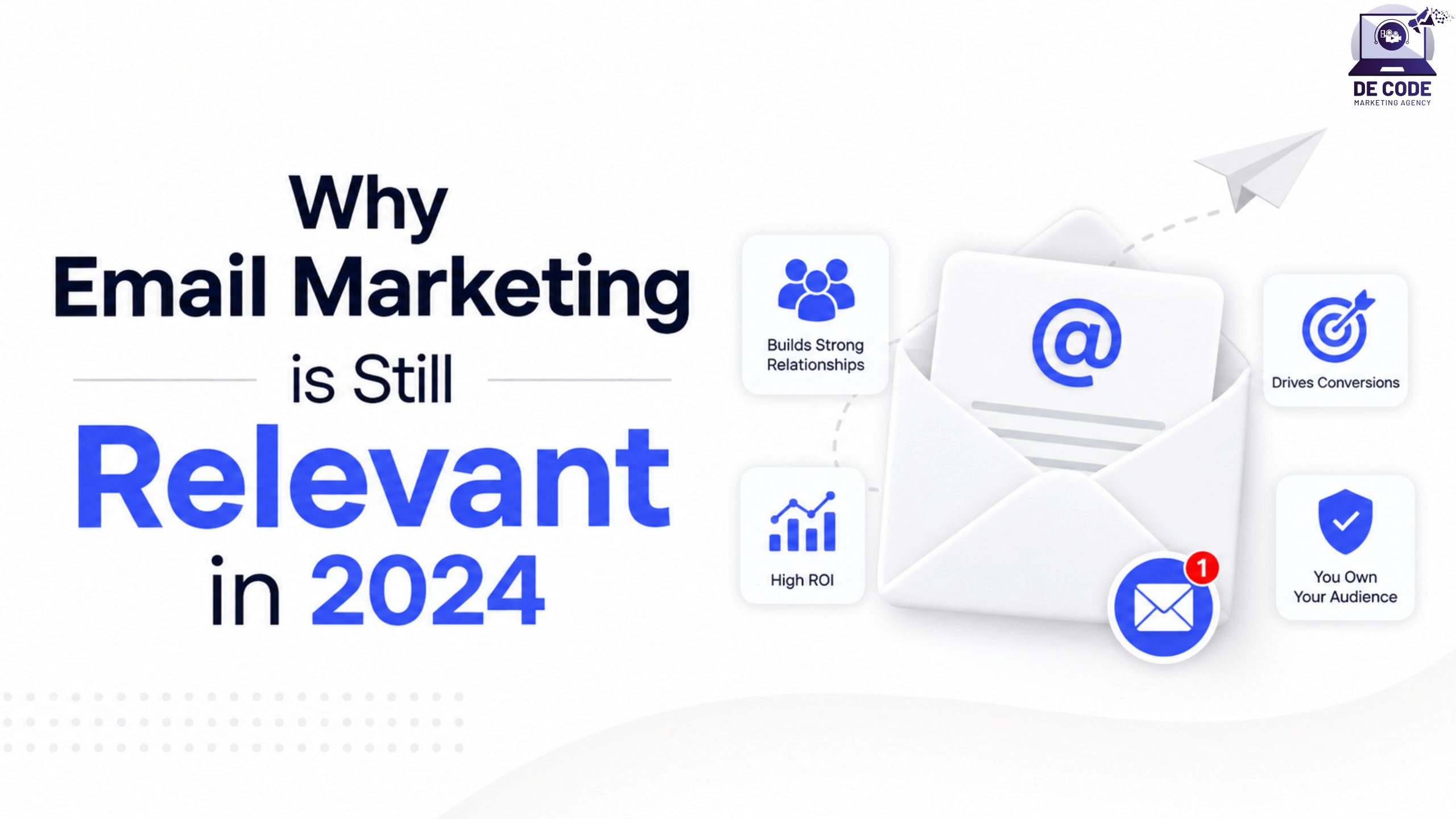
This article explores why email marketing is still relevant in 2026, how it has evolved, and what strategies businesses can use to maximize its potential. It also examines the role of personalization, automation, data privacy, and integration with other marketing channels. By understanding these factors, marketers can appreciate why email remains one of the most powerful tools in the digital marketing toolkit.
The Enduring Power of Email Marketing
1. Direct and Personal Communication
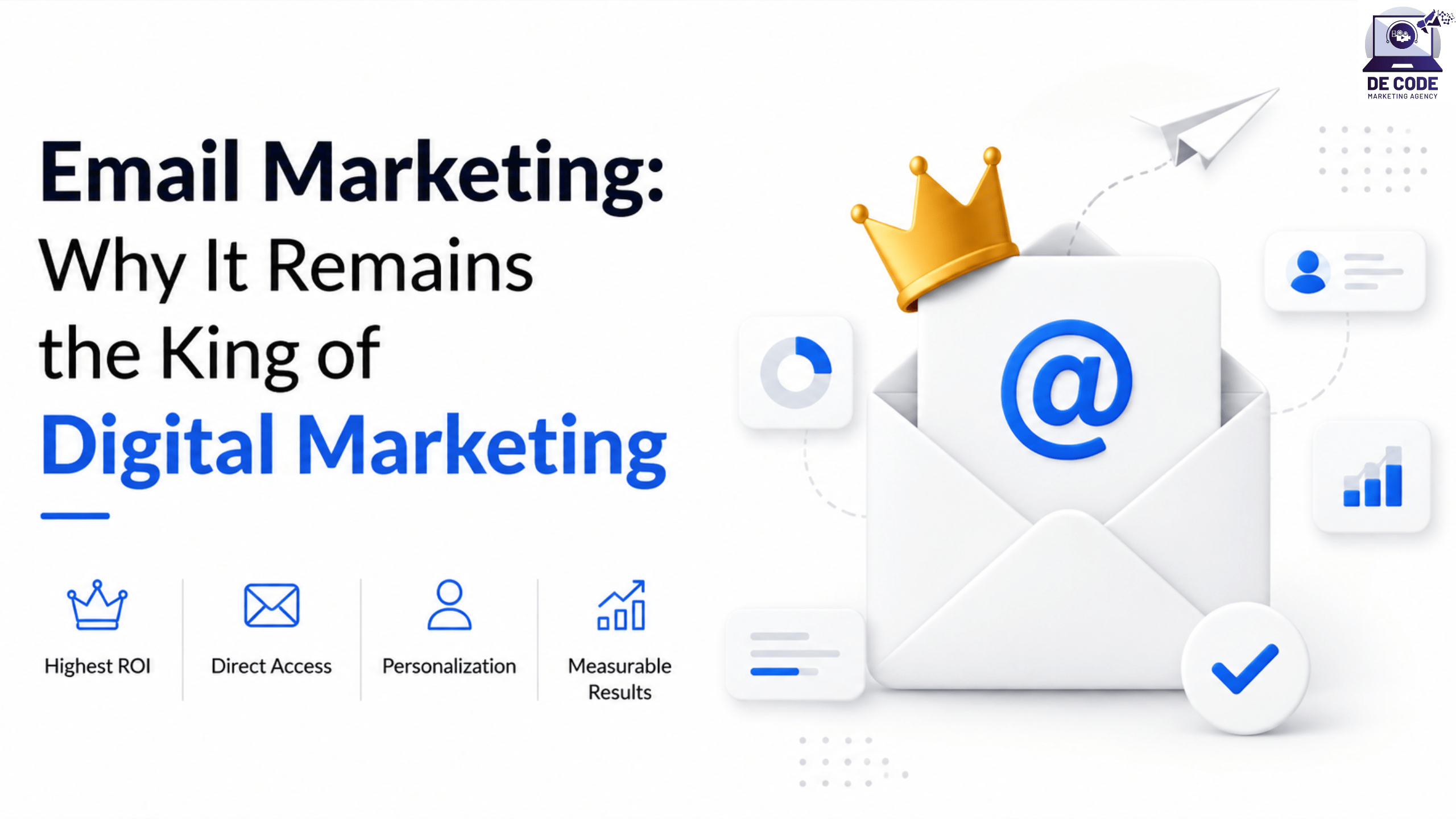
Email marketing offers a direct line of communication between brands and consumers. Unlike social media, where algorithms determine visibility, emails land directly in a subscriber’s inbox. This direct access allows businesses to build personal relationships with their audience. In 2026, personalization has become more advanced, allowing marketers to tailor messages based on user behavior, preferences, and purchase history.
Emails can address recipients by name, recommend products they are likely to buy, and even adjust content based on location or device. This level of personalization creates a sense of connection that other channels struggle to achieve. It transforms email from a generic broadcast tool into a personalized conversation.
2. High Return on Investment (ROI)
Email marketing continues to deliver one of the highest ROIs in digital marketing. According to industry reports, for every dollar spent on email marketing, businesses can expect an average return of $36 to $42. This impressive figure is due to the low cost of sending emails compared to paid advertising and the high conversion rates achieved through targeted campaigns.
Automation tools have further improved ROI by allowing marketers to send timely, relevant messages without manual effort. For example, automated welcome emails, abandoned cart reminders, and re-engagement campaigns can drive conversions with minimal ongoing management.
3. Ownership of Audience Data
In an era where third-party cookies are disappearing and data privacy regulations tighten, email marketing provides marketers with something invaluable: complete ownership of their customer data. This ownership ensures that brands maintain control over their communication channels, even if external platforms change their policies or decline in popularity.
In 2026, data privacy regulations such as GDPR and CCPA have made audience ownership even more valuable. By collecting email addresses through transparent, consent-based methods, businesses can build trust and maintain compliance while retaining full control over their marketing data.
Evolution of Email Marketing in 2026
1. From Mass Messaging to Hyper-Personalization
In the early days of email marketing, campaigns were often one-size-fits-all. Marketers sent the same message to every subscriber, hoping for a positive response. Today, that approach no longer works. Consumers expect personalized experiences that reflect their interests and behaviors.
Modern email marketing platforms use artificial intelligence (AI) and machine learning to analyze customer data and predict preferences. These insights enable hyper-personalized campaigns that deliver the right message to the right person at the right time. For example, AI can determine the best time to send an email, the most engaging subject line, and the ideal product recommendations for each subscriber.
2. Integration with Omnichannel Marketing
Email marketing no longer operates in isolation. In 2026, it plays a central role in omnichannel marketing strategies that integrate email with social media, SMS, content marketing, and paid advertising. This integration ensures consistent messaging across all touchpoints and enhances the customer journey.
For instance, a customer might see a product ad on Instagram, receive a follow-up email with a discount code, and then complete the purchase through a mobile app. By connecting these channels, marketers can create seamless experiences that drive engagement and conversions.
3. Interactive and Dynamic Content
Static emails are becoming a thing of the past. Interactive elements such as polls, quizzes, countdown timers, and embedded videos are now common in email campaigns. These features increase engagement by encouraging recipients to interact directly within the email.
Dynamic content also allows marketers to update email content in real time. For example, a travel company can display live flight prices or hotel availability, while an e-commerce brand can show current stock levels or personalized product recommendations. This interactivity keeps emails fresh and relevant, improving click-through rates and conversions.
4. Mobile Optimization
With the majority of emails now opened on mobile devices, mobile optimization is essential. In 2026, responsive design ensures that emails look great on any screen size. Shorter subject lines, concise copy, and clear calls to action (CTAs) are key to capturing attention on mobile.
Marketers also use mobile-friendly features such as tappable buttons, vertical layouts, and minimalistic designs to enhance user experience. A well-optimized mobile email can significantly increase engagement and reduce bounce rates.
The Role of Automation and AI

1. Smarter Automation Workflows
Automation has revolutionized email marketing by enabling personalized communication at scale. In 2026, automation tools are more sophisticated than ever. They allow marketers to create complex workflows that respond to user behavior in real time.
For example, when a customer browses a product but doesn’t purchase, an automated email can follow up with a reminder or a special offer. Similarly, when a subscriber reaches a milestone: such as a birthday or anniversary an automated message can celebrate the occasion with a personalized discount.
These workflows save time, reduce manual effort, and ensure consistent engagement throughout the customer lifecycle.
2. Predictive Analytics and AI Insights
AI-driven analytics help marketers understand customer behavior and predict future actions. By analyzing past interactions, AI can forecast which subscribers are most likely to convert, unsubscribe, or engage with specific content. This predictive capability allows marketers to optimize campaigns for maximum impact.
AI also assists in content creation by generating subject lines, testing variations, and recommending improvements based on performance data. As a result, marketers can make data-driven decisions that enhance campaign effectiveness.
Data Privacy and Compliance
1. The Importance of Transparency
In 2026, consumers are more aware of data privacy than ever before. They expect brands to handle their personal information responsibly and transparently. Email marketers must comply with regulations such as GDPR, CCPA, and other regional privacy laws to maintain trust and avoid penalties.
Transparency begins with clear consent. Subscribers should know what data is being collected, how it will be used, and how they can opt out. Providing easy unsubscribe options and privacy policy links reinforces trust and demonstrates respect for user rights.
2. Building Trust Through Ethical Marketing
Ethical email marketing goes beyond compliance. It involves respecting subscribers’ preferences, avoiding spammy tactics, and delivering genuine value. Brands that prioritize trust and authenticity are more likely to build long-term relationships with their audience.
For example, sending relevant content, honoring frequency preferences, and avoiding misleading subject lines all contribute to a positive brand image. In an era where consumers value authenticity, ethical marketing practices are essential for sustained success.
Measuring Success in Email Marketing

1. Key Performance Indicators (KPIs)
To evaluate the effectiveness of email campaigns, marketers track several key metrics:
- Open Rate: Measures how many recipients opened the email.
- Click-Through Rate (CTR): Indicates how many clicked on links within the email.
- Conversion Rate: Tracks how many completed a desired action, such as making a purchase.
- Bounce Rate: Shows how many emails failed to reach recipients.
- Unsubscribe Rate: Reflects how many opted out of future emails.
Monitoring these KPIs helps marketers identify strengths and weaknesses in their campaigns and make data-driven improvements.
2. A/B Testing and Optimization
A/B testing remains a vital tool for optimizing email performance. By testing different subject lines, layouts, images, or CTAs, marketers can determine what resonates best with their audience. Continuous testing and refinement lead to higher engagement and conversion rates over time.
The Future of Email Marketing
1. AI-Powered Personalization
As AI technology advances, personalization will become even more precise. Future email campaigns may use real-time behavioral data to adjust content dynamically. For example, if a subscriber browses a product category, the next email could instantly feature related items or complementary products.
AI will also enhance predictive segmentation, allowing marketers to group subscribers based on predicted interests rather than past actions. This proactive approach will make email marketing more intuitive and effective.
2. Integration with Emerging Technologies
Email marketing is evolving alongside technologies such as augmented reality (AR), voice assistants, and blockchain. AR-enabled emails could allow users to visualize products in their environment, while voice assistants might read promotional emails aloud. Blockchain technology could enhance security and transparency in email authentication, reducing spam and phishing risks.
As these technologies evolve, driving traffic to these interactive experiences will become even more important making foundational strategies like those covered in SEO 101: How to Rank Your Website Higher on Google essential for maintaining visibility.
3. Sustainability and Minimalism
As digital sustainability gains importance, marketers are adopting minimalist email designs that reduce data usage and environmental impact. Simple layouts, optimized images, and concise copy not only improve readability but also align with eco-friendly practices.
Best Practices for Effective Email Marketing in 2026

- Segment the Audience: Divide subscribers into groups based on demographics, behavior, or purchase history to deliver targeted content.
- Personalize Every Message: Use dynamic content and AI insights to tailor emails to individual preferences.
- Optimize for Mobile: Ensure all emails are responsive and easy to navigate on smartphones and tablets.
- Use Clear CTAs: Guide readers toward specific actions with concise, visually distinct buttons.
- Test and Analyze: Continuously test subject lines, visuals, and timing to improve performance.
- Maintain Compliance: Follow all data privacy regulations and respect subscriber preferences.
- Provide Value: Focus on delivering useful, relevant content rather than constant promotions.
- Automate Wisely: Use automation to enhance personalization without losing authenticity.
- Monitor Engagement: Track key metrics to measure success and refine strategies.
- Stay Consistent: Maintain a regular sending schedule to keep the brand top of mind.
Case Studies: Brands Excelling in Email Marketing

1. E-commerce Success Story
A leading online retailer implemented AI-driven product recommendations in its email campaigns. By analyzing browsing and purchase data, the company sent personalized product suggestions to each subscriber. The result was a 25% increase in click-through rates and a 15% boost in sales within three months.
2. SaaS Company Engagement Strategy
A software company used automated onboarding emails to guide new users through its platform. Each email provided helpful tips, tutorials, and feature highlights. This approach reduced churn by 20% and increased user satisfaction scores significantly.
3. Non-profit Donor Retention
A non-profit organization used storytelling in its email campaigns to connect emotionally with donors. By sharing real-life impact stories and transparent financial updates, the organization increased donor retention by 30% year over year.
Common Mistakes to Avoid

- Overloading Subscribers: Sending too many emails can lead to fatigue and unsubscribes.
- Ignoring Mobile Users: Poor mobile design can drastically reduce engagement.
- Neglecting Personalization: Generic messages fail to capture attention.
- Using Misleading Subject Lines: Deceptive tactics damage trust and brand reputation.
- Skipping Testing: Without A/B testing, optimization opportunities are lost.
- Failing to Clean Lists: Outdated or inactive subscribers can harm deliverability rates.
- Ignoring Analytics: Data-driven insights are essential for continuous improvement.
Advanced Strategies for 2026 and Beyond

1. Behavioral Triggers and Lifecycle Campaigns
Behavioral triggers are automated emails sent based on specific user actions. These include welcome emails, post-purchase follow-ups, and re-engagement campaigns. Lifecycle campaigns nurture customers through every stage from awareness to loyalty ensuring consistent engagement.
For example, a fitness brand might send a welcome email with a free workout plan, followed by weekly motivational tips, and later, exclusive offers for loyal customers. This approach builds long-term relationships and increases lifetime value.
2. Storytelling and Emotional Connection
Storytelling remains a powerful tool in email marketing. In 2026, brands are using narrative-driven emails to connect emotionally with their audience. Instead of focusing solely on products, they share stories about their mission, customers, or community impact. Emotional storytelling humanizes brands and fosters deeper loyalty.
3. Visual Design and Accessibility
Modern email design emphasizes simplicity, accessibility, and inclusivity. Using high-contrast colors, readable fonts, and alt text for images ensures that emails are accessible to all users, including those with visual impairments. Accessibility not only broadens reach but also demonstrates social responsibility.
4. Community Building Through Email
Email is increasingly being used to build communities rather than just drive sales. Brands create newsletters that share insights, user-generated content, and exclusive updates. This approach transforms subscribers into active participants, strengthening brand advocacy and engagement.
The Psychological Impact of Email Marketing
Email marketing’s success is not only technical but also psychological. It taps into human behavior and emotional triggers that influence decision-making. The anticipation of receiving a personalized message, the excitement of exclusive offers, and the trust built through consistent communication all contribute to its effectiveness.
1. The Power of Consistency
Regular, predictable communication builds familiarity and trust. When subscribers know they can expect valuable content, they are more likely to engage. Consistency also reinforces brand recognition, keeping the business top of mind when purchase decisions arise.
2. The Role of Urgency and Scarcity
Emails that use urgency; such as limited-time offers or countdown timers can drive immediate action. Scarcity appeals to the fear of missing out (FOMO), motivating subscribers to act quickly. When used ethically, these psychological triggers can significantly boost conversions.
3. Emotional Resonance
Emotionally charged content whether it’s joy, empathy, or inspiration, creates stronger connections. Brands that use emotional storytelling in their emails often see higher engagement rates because they appeal to the human side of marketing.
Why Email Marketing Is Still Relevant in 2026 — FAQ

1. Is email marketing outdated?
Not at all. Despite the rise of social media and messaging apps, email remains a primary communication tool for both individuals and businesses. People still check their inbox daily, often multiple times.
2. Why do businesses still rely on email marketing?
Because it offers:
- Direct access to your audience (no algorithm blocking reach)
- High ROI compared to most marketing channels
- Ownership of your audience (unlike social platforms)
3. Is email marketing more effective than social media?
In many cases, yes. Social media platforms change algorithms frequently, limiting organic reach. Emails land directly in inboxes, making them more predictable and measurable.
4. What makes email marketing powerful today?
- Personalization using user data
- Automation (welcome emails, abandoned cart reminders, etc.)
- Segmentation for targeted messaging
- AI-driven optimization for timing, content, and subject lines
5. Do people still open marketing emails?
Yes, if they are relevant. Generic spam gets ignored, but personalized and value-driven emails see strong engagement rates.
6. Is email marketing expensive?
No. Compared to paid ads, email marketing is cost-effective. Once you build a list, sending emails costs very little.
7. What industries benefit most from email marketing?
Almost all:
- E-commerce
- SaaS
- Education
- Healthcare
- Local businesses
8. What are the biggest advantages of email marketing in 2026?
- Full control over communication
- Scalable automation
- Detailed analytics (open rate, CTR, conversions)
- Strong customer retention tool
Conclusion
Email marketing remains one of the most powerful and cost-effective tools in digital marketing. In 2026, its relevance is stronger than ever, thanks to advancements in personalization, automation, and AI. It offers direct communication, measurable results, and complete ownership of audience data, advantages that few other channels can match.
As technology continues to evolve, email marketing will adapt, integrating with new platforms and embracing innovative features. However, its core strength will always lie in its ability to deliver meaningful, personalized messages that build trust and drive action. For businesses seeking sustainable growth and lasting customer relationships, email marketing remains an indispensable strategy in the digital age.