In the ever-evolving world of digital marketing, trends come and go at lightning speed. Social media platforms rise and fall, search engine algorithms shift constantly, and new technologies like artificial intelligence reshape how brands connect with audiences. Yet, amid all this change, one channel has remained consistently powerful and profitable: email marketing.
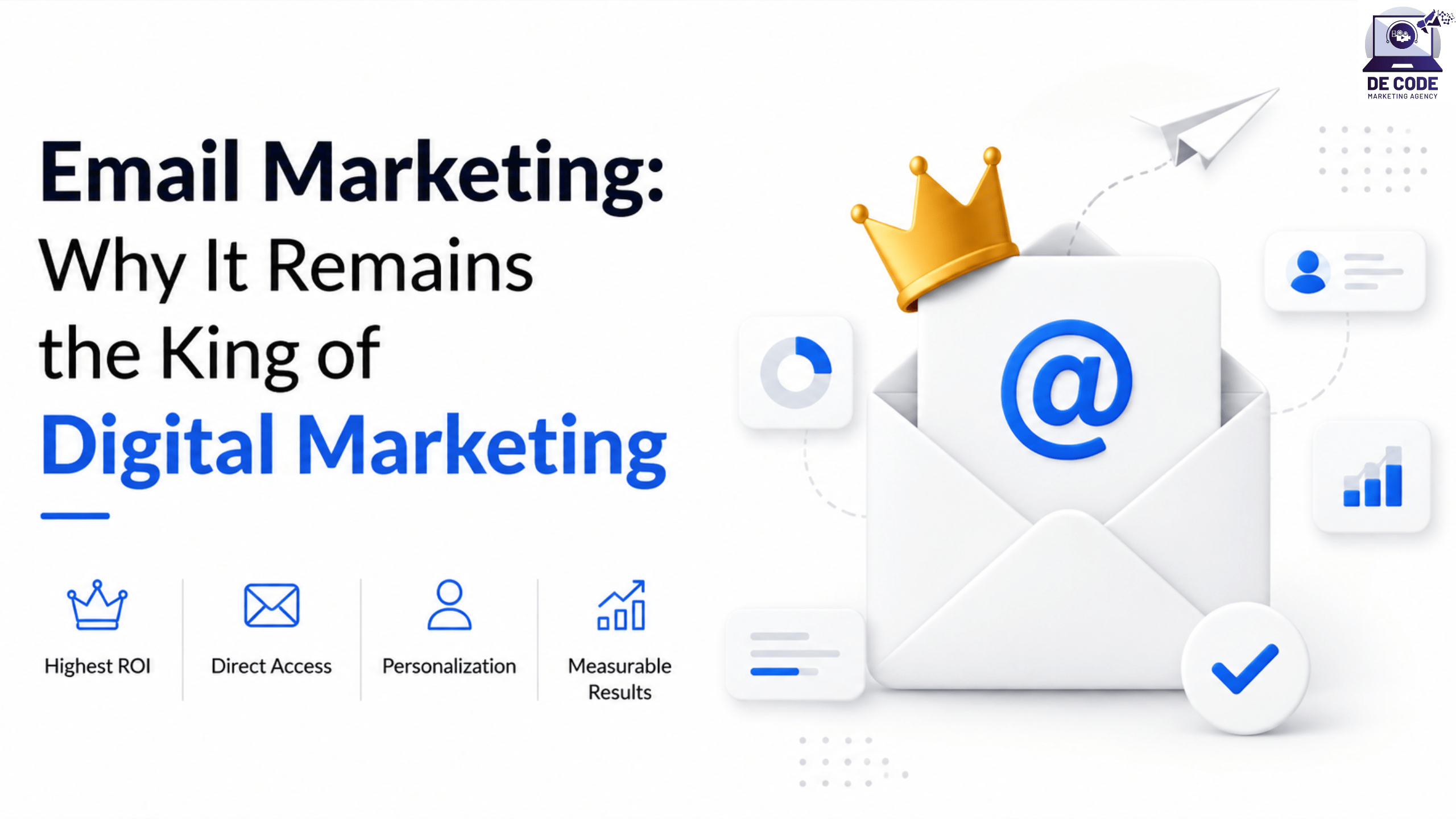
Email marketing continues to deliver unmatched return on investment (ROI), engagement, and personalization opportunities. Despite being one of the oldest digital marketing tools, it remains the cornerstone of successful online strategies. This article explores what email marketing is, why it still reigns supreme, how it integrates with modern marketing ecosystems, and what makes it indispensable for businesses of all sizes.
What Is Email Marketing?

Email marketing is a form of digital marketing that refers to the use of email to attract, engage, and communicate with potential and existing customers. These messages can include promotional offers, newsletters, product updates, event invitations, or personalized recommendations. The primary goal is to build relationships, nurture leads, and drive conversions by delivering valuable content directly to the recipient’s inbox.
Unlike other marketing channels that rely on algorithms or paid visibility, email marketing provides a direct and personal line of communication between a brand and its audience. It operates on a permission-based model, meaning recipients have opted in to receive messages. This consent-driven approach fosters trust and ensures that communication is relevant and welcomed.
Email marketing can serve multiple purposes:
- Brand Awareness: Keeping the audience informed about new products, services, or company updates.
- Customer Retention: Maintaining engagement with existing customers through loyalty programs or exclusive offers.
- Lead Nurturing: Guiding potential customers through the sales funnel with educational or persuasive content.
- Sales Generation: Promoting products or services to encourage immediate purchases.
- Customer Feedback: Gathering insights through surveys or reviews to improve offerings.
Modern email marketing leverages automation, segmentation, and analytics to deliver personalized experiences at scale. It is not just about sending messages—it’s about sending the right message to the right person at the right time.
The Enduring Power of Email Marketing

1. Direct Access to the Audience
Unlike social media platforms or search engines, email marketing provides direct access to an audience without intermediaries. When a subscriber joins a mailing list, they grant permission for direct communication. This permission-based relationship builds trust and ensures that messages reach people genuinely interested in the brand.
Social media algorithms can limit visibility, and paid ads require continuous investment. Email, however, lands directly in the inbox, offering a personal and uninterrupted line of communication. This directness is one of the main reasons email marketing remains a dominant force.
2. Unmatched Return on Investment
According to multiple industry studies, email marketing consistently delivers one of the highest ROIs among all digital channels. For every dollar spent, businesses can earn an average of $36 to $42 in return. This efficiency stems from low operational costs, automation capabilities, and the ability to target specific audience segments with precision.
Unlike paid advertising, where costs scale with impressions or clicks, email campaigns can reach thousands of subscribers at minimal additional cost. This scalability makes email marketing especially valuable for small and medium-sized enterprises (SMEs) seeking cost-effective growth.
3. Personalization and Segmentation
Modern consumers expect personalized experiences. Email marketing excels in this area through segmentation and automation. Marketers can divide their audience based on demographics, behavior, purchase history, or engagement level. Each segment receives tailored content that resonates with their specific needs.
For example, an e-commerce brand can send product recommendations based on previous purchases, while a SaaS company can deliver onboarding emails customized to user activity. This level of personalization enhances engagement, builds loyalty, and drives conversions.
4. Ownership and Control
One of the most overlooked advantages of email marketing is ownership. Social media followers belong to the platform, not the brand. If a platform changes its algorithm or shuts down, access to that audience can vanish overnight. Email lists, however, are owned assets. Businesses maintain full control over their subscriber data, ensuring long-term stability and independence from third-party platforms.
The Evolution of Email Marketing

1. From Mass Messaging to Intelligent Automation
In its early days, email marketing was synonymous with mass messaging sending the same content to every subscriber. Today, automation tools have transformed this approach. Marketers can now create dynamic workflows that respond to user behavior in real time.
For instance, if a customer abandons a shopping cart, an automated email can remind them of the pending purchase, offer a discount, or suggest related products. These triggered emails are highly effective, often achieving open rates above 40% and conversion rates far exceeding generic campaigns.
2. Integration with Data and Analytics
Data-driven marketing has elevated email strategies to new heights. Advanced analytics tools track open rates, click-through rates, conversions, and even heat maps showing where users interact most. This data enables continuous optimization, helping marketers refine subject lines, content, and timing for maximum impact.
Machine learning further enhances this process by predicting user behavior and recommending optimal send times or content variations. As a result, email marketing has evolved from a static communication tool into a dynamic, data-powered engine for engagement.
3. Mobile Optimization
With over half of all emails opened on mobile devices, mobile optimization is no longer optional. Responsive design ensures that emails display correctly across screens of all sizes. Concise copy, clear calls to action (CTAs), and visually appealing layouts enhance readability and encourage interaction.
Brands that neglect mobile optimization risk losing engagement and credibility. A seamless mobile experience reinforces professionalism and accessibility, key factors in maintaining subscriber trust.
Why Email Marketing Outperforms Other Channels
1. Social Media vs. Email Marketing
Social media platforms are excellent for brand awareness and community building, but they lack the reliability and control of email. Organic reach on platforms like Facebook and Instagram has declined sharply due to algorithm changes. Even with paid promotions, visibility depends on budget and bidding competition.
Email marketing, by contrast, guarantees message delivery to subscribers who have opted in. It also allows for deeper storytelling, longer-form content, and direct calls to action that lead to measurable results.
2. SEO and Email Synergy
While email marketing and SEO serve different purposes, they complement each other effectively. SEO drives organic traffic to a website, while email nurtures that traffic into loyal customers. Content promotion through various channels is further explored in How Social Media Marketing Can Transform Your Brand in 2026. For example, newsletters can promote blog posts, increasing site visits and engagement metrics that indirectly boost search rankings.
Additionally, email campaigns can gather feedback, encourage reviews, and promote shareable content—all of which contribute to stronger SEO performance.
3. Paid Advertising vs. Email Marketing
Paid advertising delivers quick visibility but requires continuous spending. Once the budget stops, so does the traffic. Email marketing, however, builds a sustainable communication channel. Each new subscriber represents a long-term asset that can generate recurring revenue through consistent engagement.
Moreover, email allows for retargeting without additional ad spend. By segmenting inactive subscribers or past customers, marketers can re-engage audiences at virtually no extra cost.
The Psychology Behind Email Effectiveness

1. The Power of Permission
Email marketing operates on a foundation of consent. Subscribers willingly share their contact information, signaling interest and trust. This permission-based model fosters a sense of exclusivity and belonging, making recipients more receptive to messages.
2. Habitual Engagement
Checking email is a daily habit for billions of people. Unlike social media, which competes for fleeting attention, email occupies a more intentional space in users’ routines. This habitual engagement increases the likelihood of message visibility and interaction.
3. Emotional Connection
Personalized emails can evoke emotions that drive action. Whether it’s a birthday greeting, a thank-you message, or a loyalty reward, these communications strengthen emotional bonds between brand and customer. Emotional marketing is proven to enhance retention and advocacy.
Key Components of a Successful Email Marketing Strategy

1. Building a Quality Email List
A successful campaign begins with a high-quality list. Rather than purchasing contacts, businesses should focus on organic growth through lead magnets, sign-up forms, and gated content. Offering value, such as exclusive insights, discounts, or free resources—encourages genuine subscriptions.
2. Crafting Compelling Subject Lines
The subject line determines whether an email gets opened. It should be concise, relevant, and intriguing. Personalization, urgency, and curiosity are effective techniques. For example, “A Special Offer Just for You” or “Your Weekly Marketing Insights Are Here” can boost open rates significantly.
3. Designing Engaging Content
Content should be clear, visually appealing, and aligned with the brand’s tone. Short paragraphs, bullet points, and strong CTAs improve readability. Visual elements like images, GIFs, and infographics enhance engagement but should be optimized for fast loading.
4. Timing and Frequency
The timing of email delivery affects engagement. Studies show that mid-week mornings often yield the best results, but optimal timing varies by audience. Testing different schedules helps identify when subscribers are most responsive. Frequency should balance consistency with respect for the subscriber’s inbox—too many emails can lead to unsubscribes.
5. Testing and Optimization
A/B testing allows marketers to compare variations of subject lines, layouts, or CTAs. Continuous testing ensures that campaigns evolve based on real performance data. Over time, this iterative process maximizes effectiveness and ROI.
The Role of Automation in Modern Email Marketing

Automation streamlines repetitive tasks and ensures timely communication. Common automated workflows include:
- Welcome Series: Introduces new subscribers to the brand and sets expectations.
- Abandoned Cart Emails: Reminds customers of incomplete purchases.
- Re-engagement Campaigns: Targets inactive subscribers with special offers.
- Post-Purchase Follow-ups: Encourages reviews and repeat purchases.
Automation not only saves time but also enhances personalization. Each subscriber receives relevant content at the right moment, improving satisfaction and conversion rates.
Advanced Strategies for Maximizing Email Performance
1. Behavioral Targeting
Behavioral targeting uses data from user actions—such as website visits, clicks, or purchases to deliver hyper-relevant messages. For instance, if a user browses a specific product category, an automated email can highlight similar items or offer a limited-time discount. This approach increases conversion rates by aligning content with real-time intent.
2. Dynamic Content Blocks
Dynamic content allows different subscribers to see different versions of the same email based on their profile or behavior. Delivering tailored experiences across channels is key to growth, as explained in How Social Media Marketing Drives Business Growth. A travel company, for example, can show beach destinations to one segment and mountain retreats to another. This adaptability ensures that every recipient receives content that feels personally curated.
3. Lifecycle Marketing
Lifecycle marketing aligns email campaigns with the customer journey, from awareness to advocacy. Each stage requires distinct messaging:
- Awareness: Educational content and brand storytelling.
- Consideration: Product comparisons, testimonials, and case studies.
- Purchase: Discounts, guarantees, and urgency-driven CTAs.
- Retention: Loyalty programs and personalized recommendations.
- Advocacy: Referral incentives and community engagement.
Mapping emails to these stages ensures consistent nurturing and long-term loyalty.
4. Integrating Email with CRM Systems
Customer Relationship Management (CRM) integration enhances targeting precision. By syncing email data with CRM insights, marketers can track customer interactions across multiple touchpoints. This unified view enables smarter segmentation, better timing, and more cohesive messaging across channels.
Measuring Success: Key Metrics and Analytics

Effective email marketing relies on continuous measurement. Key performance indicators (KPIs) include:
- Open Rate: Percentage of recipients who open the email.
- Click-Through Rate (CTR): Percentage who click on links within the email.
- Conversion Rate: Percentage who complete a desired action, such as a purchase.
- Bounce Rate: Percentage of undeliverable emails.
- Unsubscribe Rate: Percentage of recipients who opt out.
Analyzing these metrics helps identify strengths and weaknesses. For instance, low open rates may indicate weak subject lines, while low CTRs suggest content or CTA issues. Regular analysis ensures ongoing improvement.
Compliance and Ethical Considerations

Email marketing must adhere to privacy regulations such as the General Data Protection Regulation (GDPR) and the CAN-SPAM Act. Compliance involves obtaining explicit consent, providing clear unsubscribe options, and protecting subscriber data. Ethical practices not only prevent legal issues but also build trust and credibility.
The Future of Email Marketing
1. Artificial Intelligence and Predictive Analytics
AI is revolutionizing email marketing by enabling predictive personalization. Algorithms can analyze user behavior to forecast future actions, recommend products, and optimize send times. This predictive capability enhances relevance and efficiency.
2. Interactive and Dynamic Content
Interactive emails—featuring polls, quizzes, or embedded videos—are becoming increasingly popular. They transform static messages into engaging experiences, boosting click rates and dwell time.
3. Integration with Omnichannel Strategies
Email marketing no longer operates in isolation. It integrates seamlessly with social media, SMS, and web personalization tools. This omnichannel approach ensures consistent messaging across all touchpoints, enhancing brand coherence and customer experience.
4. Sustainability and Minimalism
As consumers become more environmentally conscious, brands are adopting minimalist email designs and reducing unnecessary sends. This approach aligns with sustainability values while improving deliverability and engagement.
Case Studies: Brands Excelling in Email Marketing
1. Amazon
Amazon’s email strategy is a masterclass in personalization. Every message is tailored to user behavior, from product recommendations to order updates. This data-driven approach keeps customers engaged and drives repeat purchases.
2. Spotify
Spotify uses email to deliver personalized playlists, updates, and listening summaries. These campaigns create emotional connections by celebrating user preferences and milestones, reinforcing brand loyalty.
3. Airbnb
Airbnb’s emails combine storytelling with utility. From travel inspiration to booking reminders, each message adds value while maintaining a consistent brand voice. Their design simplicity and relevance contribute to high engagement rates.
Common Mistakes to Avoid
- Overloading Subscribers: Sending too many emails can lead to fatigue and unsubscribes.
- Neglecting Mobile Users: Poor mobile optimization reduces readability and engagement.
- Ignoring Data: Failing to analyze metrics prevents improvement.
- Generic Messaging: Lack of personalization diminishes relevance.
- Weak CTAs: Unclear or uninspiring calls to action reduce conversions.
Avoiding these pitfalls ensures that campaigns remain effective and subscriber-friendly.
The Role of Storytelling in Email Marketing

Storytelling transforms ordinary emails into memorable experiences. Instead of focusing solely on promotions, brands can use narratives to connect emotionally with readers. A compelling story about a product’s origin, a customer’s success, or a company’s mission can humanize the brand and inspire loyalty. Storytelling becomes even more powerful when aligned with a consistent brand voice, as explained in The Importance of Branding in Digital Marketing.
For example, a sustainable fashion brand might share the journey of how its materials are sourced ethically, while a tech company could highlight how its innovations improve everyday life. Storytelling adds depth, authenticity, and emotional resonance—qualities that drive long-term engagement.
The Importance of Visual Design

Visual design plays a crucial role in capturing attention and guiding readers through content. Effective email design balances aesthetics with functionality. Key principles include:
- Hierarchy: Highlight the most important information first.
- Whitespace: Prevent clutter and improve readability.
- Color Psychology: Use colors that evoke desired emotions.
- Consistency: Maintain brand identity across all campaigns.
Animated elements, icons, and infographics can enhance engagement, but moderation is essential to avoid overwhelming the reader.
Email Marketing: Why It Remains the King of Digital Marketing — FAQ

1. Why is email marketing still considered the “king” of digital marketing?
Email marketing delivers a high return on investment, allows direct communication with audiences, and gives businesses full control over their messaging without relying on third-party algorithms.
2. What makes email marketing more effective than social media?
Unlike social media, where reach depends on platform algorithms, email marketing reaches users directly in their inbox, resulting in higher engagement and conversion rates.
3. Is email marketing still relevant in 2026?
Yes, email marketing remains highly relevant due to its personalization capabilities, automation features, and ability to nurture long-term customer relationships.
4. What are the key benefits of email marketing?
It offers cost-effectiveness, targeted messaging, measurable performance, customer retention, and scalability for businesses of all sizes.
5. How does email marketing help in customer retention?
By sending personalized content, updates, and offers, businesses can stay connected with their audience and build long-term loyalty.
6. What role does personalization play in email marketing?
Personalization increases open rates and engagement by delivering relevant content based on user behavior, preferences, and demographics.
7. Can small businesses benefit from email marketing?
Absolutely. Email marketing is affordable and scalable, making it ideal for small businesses to reach and engage their target audience effectively.
8. How does automation improve email marketing campaigns?
Automation saves time by sending timely, behavior-triggered emails such as welcome messages, follow-ups, and abandoned cart reminders.
Conclusion
Email marketing remains the king of digital marketing because it combines direct communication, personalization, and measurable results in a cost-effective way. It continues to evolve with technological advancements while maintaining its core strength—building meaningful relationships with audiences. To build a complete marketing system, combine email strategies with paid campaigns, as explained in The Ultimate Guide to PPC Advertising for Beginners.
In an era where digital noise is louder than ever, email stands out as a trusted, personal, and high-performing channel. Whether nurturing leads, driving sales, or strengthening brand loyalty, email marketing consistently delivers unmatched value. Its resilience, adaptability, and proven ROI ensure it will remain at the core of digital marketing strategies for years to come.