Social media has evolved into one of the most powerful tools for connecting with audiences, building brand awareness, and driving business growth. However, simply having a presence on social platforms is not enough. The real success lies in engagement the likes, comments, shares, and conversations that turn casual followers into loyal fans. Building a loyal audience requires strategy, consistency, and authenticity. This guide explores proven social media engagement tips to help brands and creators foster meaningful relationships with their audiences and grow sustainably.
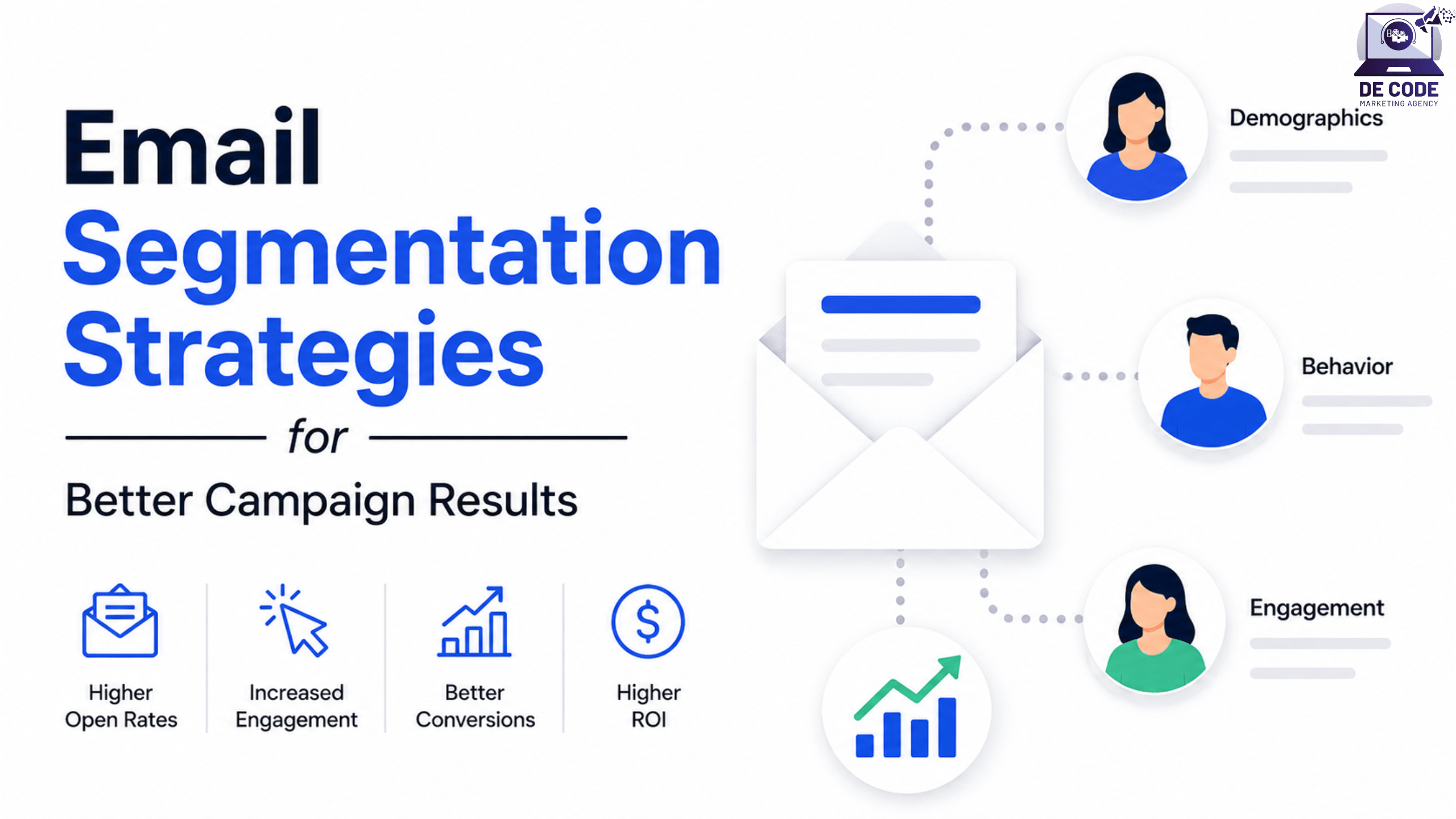
Building audience relationships through engagement is one of the strongest ways to increase visibility and strengthen online communities, similar to the strategies discussed in How Social Media Marketing Drives Business Growth.
Understanding Social Media Engagement

Social media engagement refers to users’ interactions, reactions, and connections with content on various social media platforms. Engagement includes likes, comments, shares, saves, mentions, and direct messages. It measures how actively users connect with a brand’s content and how much value they find in it.
High engagement indicates that followers are not just passive viewers but active participants in a brand’s community. It also signals to social media algorithms that the content is valuable, increasing its visibility and reach.
Key Metrics of Engagement
- Likes and Reactions: Quick indicators of approval or interest.
- Comments: Reflect deeper interaction and conversation.
- Shares and Retweets: Show that followers find content valuable enough to share.
- Saves: Indicate long-term interest or usefulness.
- Mentions and Tags: Demonstrate brand awareness and advocacy.
- Click-Through Rate (CTR): Measures how many users take action after seeing a post.
- Engagement Rate: The ratio of total engagement to total followers or impressions.
Understanding these metrics helps tailor strategies that resonate with audiences and encourage consistent interaction.
Why Engagement Matters More Than Follower Count

Many brands focus on follower count, but Social Media Engagement is a more powerful indicator of success. A smaller, highly engaged audience is far more valuable than a large, inactive one.
Benefits of High Engagement
- Improved Algorithm Ranking: Platforms prioritize content that sparks interaction.
- Stronger Brand Loyalty: Engaged followers feel connected and valued.
- Higher Conversion Rates: Active audiences are more likely to purchase or recommend.
- Valuable Feedback: Comments and messages provide insights into audience preferences.
- Organic Growth: Engaged users share content, attracting new followers naturally.
Social Media Engagement builds trust and transforms casual viewers into loyal supporters.
Know the Audience
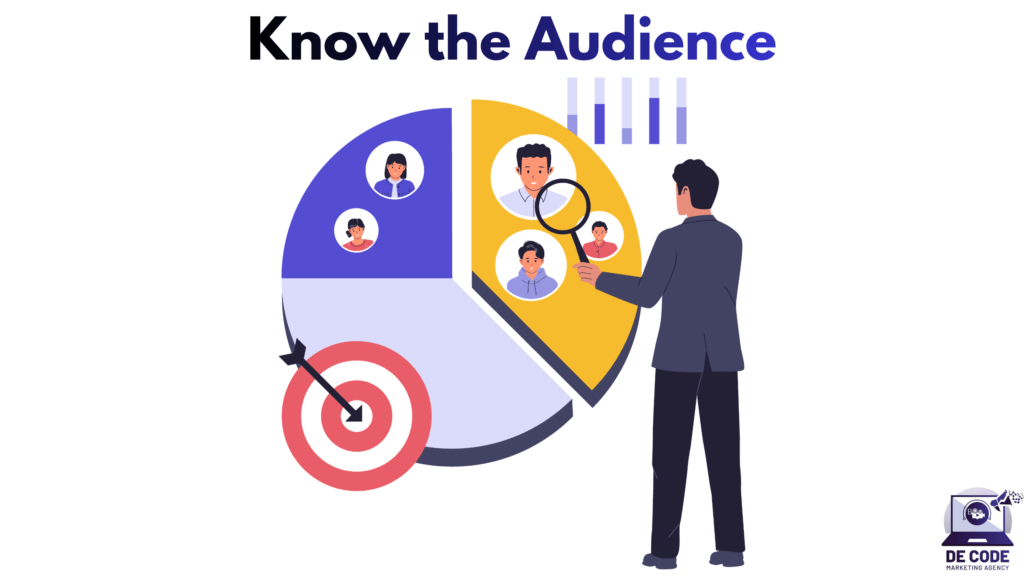
Before creating content, it’s essential to understand who the audience is. Knowing their interests, challenges, and motivations helps craft messages that resonate.
Steps to Identify and Understand the Audience
- Analyze Demographics: Use platform analytics to learn about age, gender, location, and interests.
- Study Behavior Patterns: Identify when followers are most active and what content they engage with most.
- Create Audience Personas: Develop fictional profiles representing ideal followers.
- Monitor Conversations: Observe comments, hashtags, and discussions to understand trending topics.
- Conduct Surveys and Polls: Ask followers directly about their preferences.
When content aligns with audience needs, Social Media Engagement naturally increases. Understanding audience preferences and behavior is essential for creating content that performs consistently, making insights from The Power of Data Analytics in Digital Marketing highly valuable.
Create High-Quality, Valuable Content
Content is the foundation of social media engagement. High-quality, relevant, and visually appealing posts capture attention and encourage interaction.
Characteristics of Engaging Content
- Authentic: Genuine stories and behind-the-scenes moments build trust.
- Educational: Tutorials, tips, and how-to guides provide value.
- Entertaining: Humor, challenges, and relatable posts keep audiences interested.
- Inspirational: Motivational quotes and success stories encourage sharing.
- Visually Appealing: High-resolution images, videos, and graphics attract attention.
Content Formats That Boost Social Media Engagement
- Videos: Short-form videos on TikTok, Reels, or YouTube Shorts perform exceptionally well.
- Carousels: Multi-image posts allow storytelling and detailed explanations.
- Infographics: Simplify complex information into digestible visuals.
- Live Streams: Real-time interaction fosters authenticity and trust.
- User-Generated Content (UGC): Sharing followers’ content builds community and appreciation.
Consistent, valuable content is the foundation of strong Social Media Engagement.
Optimize Posting Schedule
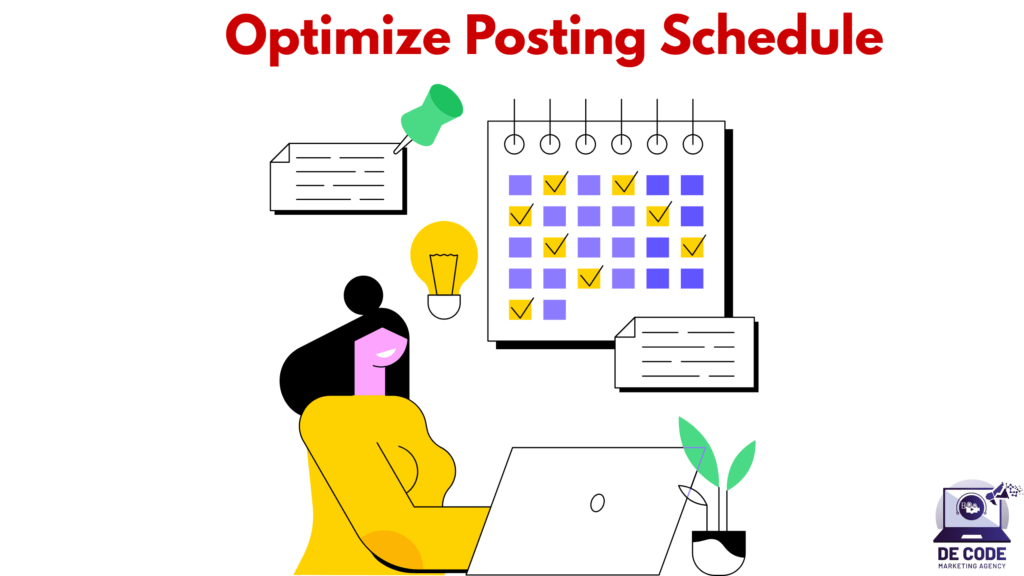
Timing plays a crucial role in engagement. Posting when followers are most active increases visibility and interaction.
Tips for Optimizing Posting Times
- Use Analytics Tools: Platforms like Instagram Insights and Facebook Analytics show peak activity times.
- Experiment with Different Times: Test various posting hours to identify patterns.
- Consider Time Zones: Adjust schedules for global audiences.
- Maintain Consistency: Regular posting builds anticipation and reliability.
- Leverage Scheduling Tools: Tools like Buffer, Hootsuite, or Canva’s Content Planner streamline posting.
A well-timed post can significantly boost Social Media Engagement and reach.
Encourage Two-Way Communication
Social media is not a one-way broadcast channel. Engagement thrives when brands actively communicate with followers.
Ways to Foster Interaction
- Respond to Comments: Acknowledge feedback and answer questions promptly.
- Ask Questions: Encourage followers to share opinions or experiences.
- Host Polls and Quizzes: Interactive features boost participation.
- Use Call-to-Actions (CTAs): Phrases like “Tag a friend” or “Share your thoughts” invite responses.
- Reply to Direct Messages: Personalized replies strengthen relationships.
Two-way communication transforms Social Media Engagement from passive viewing into active participation.
Leverage Storytelling

Storytelling humanizes brands and creates emotional connections. People remember stories more than facts or promotions.
Elements of Effective Storytelling
- Relatable Characters: Share stories about real people or customers.
- Conflict and Resolution: Highlight challenges and how they were overcome.
- Authenticity: Avoid overly polished narratives; real experiences resonate more.
- Visuals: Use images and videos to enhance storytelling impact.
- Consistency: Maintain a cohesive brand voice across all stories.
Storytelling transforms ordinary posts into memorable experiences that inspire engagement.
Use Hashtags Strategically
Storytelling is a powerful way to enhance Social Media Engagement. People connect emotionally with stories more than with promotions.
Best Practices for Hashtag Use
- Research Relevant Hashtags: Use tools like Hashtagify or platform search features.
- Mix Popular and Niche Tags: Combine high-traffic and specific hashtags for balanced reach.
- Create Branded Hashtags: Encourage followers to use unique tags related to the brand.
- Avoid Overuse: Limit to 5–10 relevant hashtags per post.
- Monitor Performance: Track which hashtags drive the most engagement.
Strategic hashtag use increases discoverability and strengthens Social Media Engagement.
Collaborate with Influencers and Partners

Influencer collaborations amplify reach and credibility. Partnering with creators who share similar values introduces the brand to engaged communities.
Steps for Successful Collaborations
- Identify Relevant Influencers: Choose those whose audiences align with brand goals.
- Set Clear Objectives: Define what success looks like awareness, engagement, or conversions.
- Encourage Authentic Content: Allow influencers creative freedom for genuine promotion.
- Track Results: Measure engagement, reach, and follower growth.
- Build Long-Term Relationships: Consistent partnerships yield stronger results than one-time campaigns.
Collaborations create mutual value and foster trust among new audiences. Strategic collaborations can significantly expand reach and strengthen credibility, supporting many of the growth strategies discussed in How Social Media Marketing Drives Business Growth.
Run Contests and Giveaways

Contests and giveaways are powerful tools for boosting engagement quickly. They encourage participation, sharing, and excitement.
Tips for Effective Contests
- Set Clear Rules: Ensure transparency and fairness.
- Offer Relevant Prizes: Choose rewards that align with audience interests.
- Encourage Sharing: Require tagging friends or reposting to enter.
- Promote Across Platforms: Increase visibility through cross-promotion.
- Follow Up: Announce winners publicly and thank participants.
When executed well, contests can significantly increase engagement and attract new followers.
Utilize Analytics to Refine Strategy
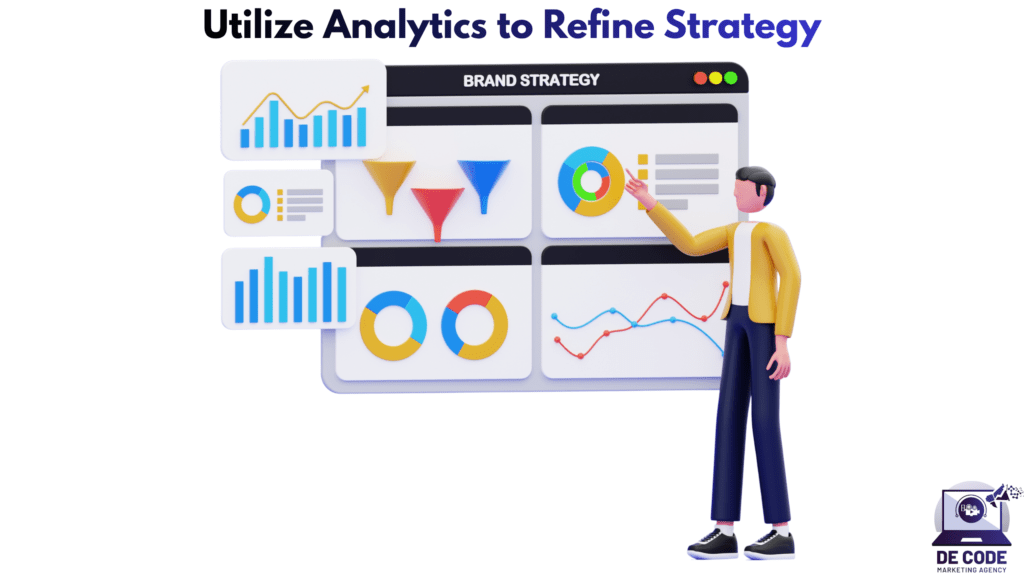
Data-driven decisions lead to better engagement outcomes. Regularly analyzing performance helps identify what works and what doesn’t.
Key Metrics to Monitor
- Engagement Rate: Measures overall interaction relative to reach.
- Reach and Impressions: Show how many people see the content.
- Follower Growth: Indicates audience expansion.
- Click-Through Rate: Tracks how many users take action.
- Content Performance: Identifies top-performing posts.
Tools for Analytics
- Native Platform Insights: Facebook, Instagram, LinkedIn, and TikTok offer built-in analytics.
- Third-Party Tools: Sprout Social, Hootsuite, and Google Analytics provide deeper insights.
Regular analysis ensures continuous improvement and sustained engagement growth.
Build a Community, Not Just a Following

A loyal audience feels like part of a community. Building such a space requires consistent interaction, shared values, and mutual respect.
Strategies for Community Building
- Create Private Groups: Facebook or Discord communities foster deeper connections.
- Host Live Q&A Sessions: Encourage real-time interaction and transparency.
- Feature Followers: Highlight user stories or testimonials.
- Encourage Peer Interaction: Promote discussions among followers.
- Celebrate Milestones: Acknowledge community achievements and growth.
Strong communities sustain Social Media Engagement and brand loyalty.
Stay Authentic and Transparent
Authenticity is the cornerstone of loyalty. Audiences can easily detect insincerity, and trust once lost is hard to regain.
Ways to Maintain Authenticity
- Be Honest: Share both successes and challenges.
- Show Behind-the-Scenes Moments: Offer glimpses into daily operations or team culture.
- Admit Mistakes: Address issues openly and take responsibility.
- Avoid Over-Promotion: Balance promotional content with value-driven posts.
- Stay True to Brand Values: Consistency builds credibility.
Authenticity fosters emotional connections that drive long-term engagement. Strong engagement is also closely connected with brand identity because audiences tend to interact more with recognizable and trustworthy brands, which is explained further in The Importance of Branding in Digital Marketing.
Adapt to Platform Trends

Social media evolves rapidly. Staying updated with trends ensures relevance and visibility.
How to Stay Current
- Follow Industry Leaders: Monitor what successful brands are doing.
- Experiment with New Features: Try Reels, Stories, or Threads early.
- Participate in Challenges: Join trending hashtags or viral movements.
- Monitor Algorithm Updates: Adjust strategies based on platform changes.
- Stay Flexible: Adapt content formats and tone as audience preferences shift.
Adapting to trends keeps Social Media Engagement fresh and effective.
Use Paid Promotions Strategically
While organic engagement is vital, paid promotions can amplify reach and attract new followers.
Tips for Effective Paid Campaigns
- Target Precisely: Use demographic and interest-based targeting.
- Set Clear Goals: Define whether the aim is engagement, traffic, or conversions.
- Test Different Formats: Compare carousel ads, video ads, and story ads.
- Monitor ROI: Track performance metrics to ensure cost-effectiveness.
- Combine with Organic Efforts: Paid and organic strategies work best together.
Strategic advertising enhances visibility and accelerates audience growth.
Encourage User-Generated Content (UGC)
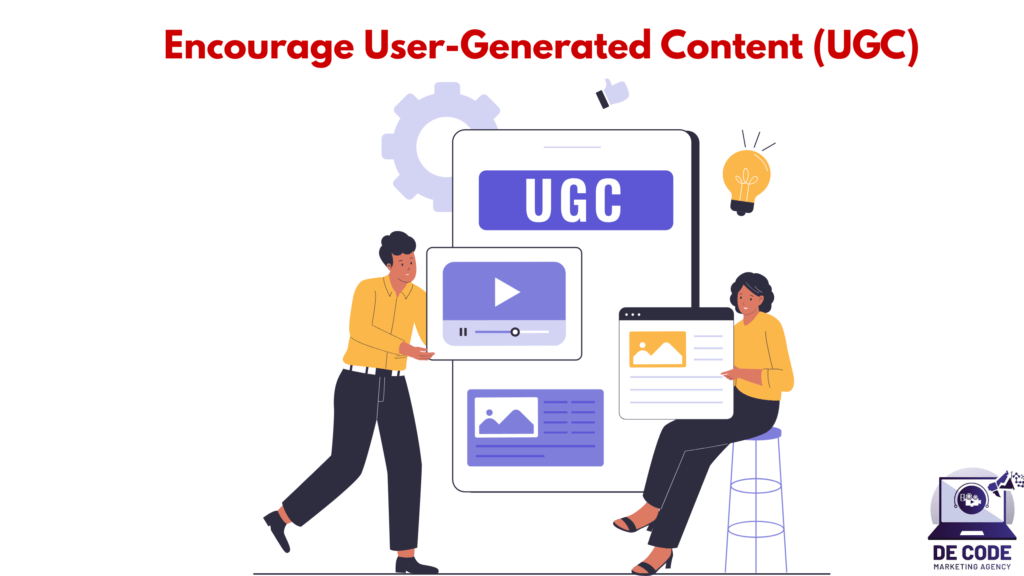
UGC builds trust and community by showcasing real experiences from followers.
Benefits of UGC
- Authenticity: Real content feels more relatable than brand-created posts.
- Engagement: Followers enjoy seeing their content featured.
- Social Proof: Demonstrates brand credibility.
- Cost-Effective: Reduces content creation workload.
How to Encourage UGC
- Create Branded Hashtags: Encourage followers to tag posts.
- Host Challenges: Invite creative submissions.
- Feature UGC Regularly: Share user posts on official pages.
- Offer Incentives: Reward contributors with recognition or prizes.
UGC transforms followers into active brand ambassadors.
Maintain Consistency Across Platforms

Consistency in tone, visuals, and messaging strengthens brand identity and trust.
Elements of Consistency
- Visual Branding: Use uniform colors, fonts, and logos.
- Voice and Tone: Maintain a consistent communication style.
- Posting Frequency: Keep a regular schedule.
- Content Themes: Stick to topics aligned with brand values.
- Cross-Platform Integration: Adapt content for each platform while maintaining coherence.
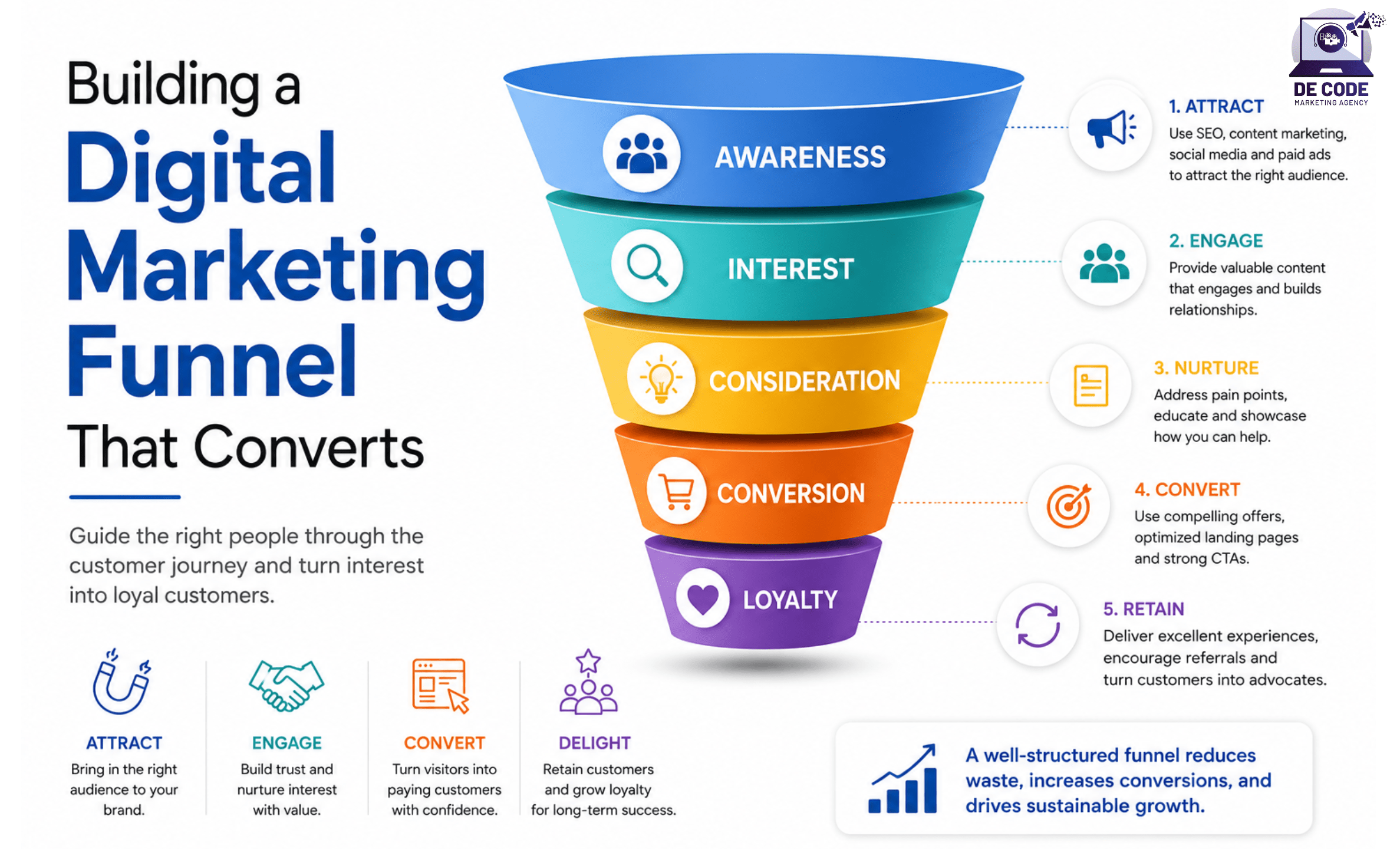
Consistency ensures recognition and reinforces brand reliability. Maintaining consistency across platforms also improves audience retention and strengthens long-term relationships, supporting broader strategies explained in Building a Digital Marketing Funnel That Converts.
Engage Beyond Posting
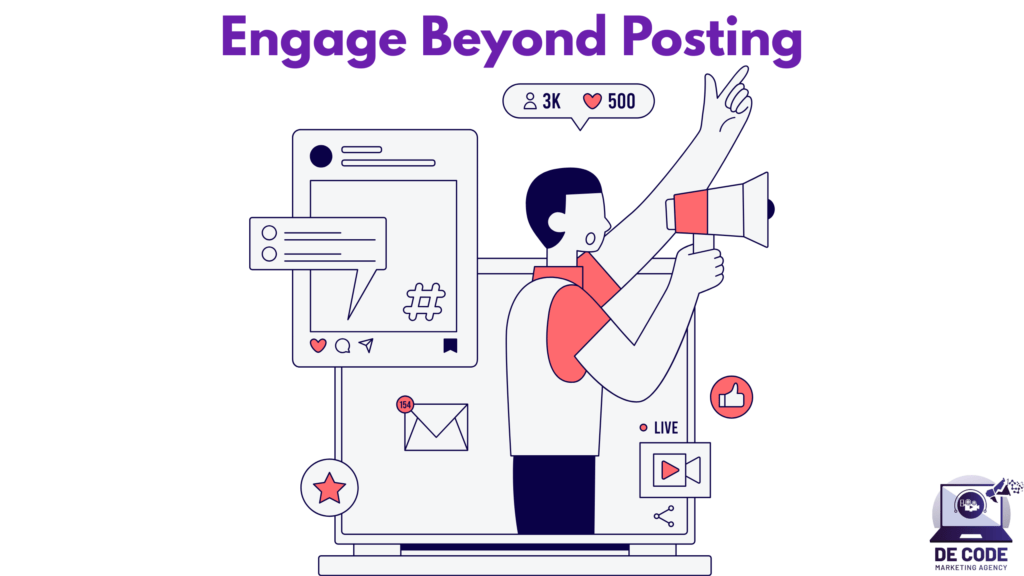
Engagement extends beyond posting content. Active participation in conversations and communities enhances visibility and credibility.
Ways to Engage Proactively
- Comment on Other Posts: Interact with industry peers and followers.
- Join Groups and Forums: Participate in relevant discussions.
- Support Collaborators: Share and celebrate partner content.
- Respond to Mentions: Acknowledge tags and shoutouts.
- Monitor Brand Mentions: Use tools to track and respond promptly.
Proactive engagement demonstrates genuine interest and strengthens relationships.
Handle Negative Feedback Gracefully
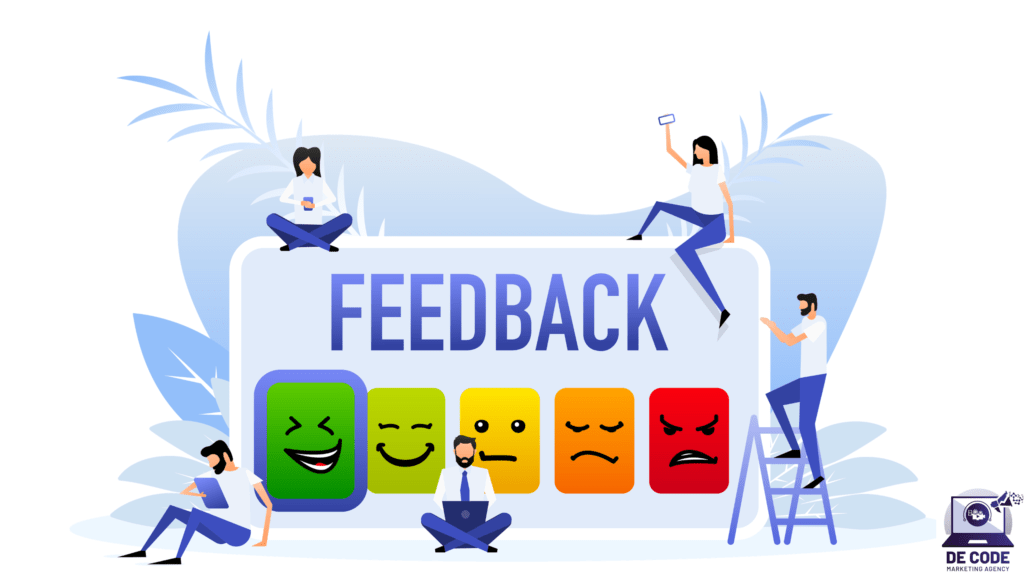
Negative comments are inevitable, but how they are handled defines brand reputation.
Best Practices for Managing Criticism
- Respond Calmly: Avoid defensive reactions.
- Acknowledge Concerns: Show empathy and understanding.
- Offer Solutions: Address issues constructively.
- Take Conversations Private: Resolve sensitive matters through direct messages.
- Learn from Feedback: Use criticism to improve products or services.
Professional and respectful responses can turn critics into loyal supporters.
Integrate Social Media with Other Marketing Channels

Integrating social media with other marketing efforts strengthens overall engagement.
Integration Strategies
- Link to Website and Blog: Drive traffic through social posts.
- Include Social Buttons in Emails: Encourage cross-platform engagement.
- Promote Events Across Channels: Use consistent messaging.
- Leverage SEO: Optimize social profiles and posts for search visibility.
- Use QR Codes: Connect offline marketing with online platforms.
Integration creates a cohesive brand experience and maximizes engagement opportunities.
Advanced Engagement Strategies
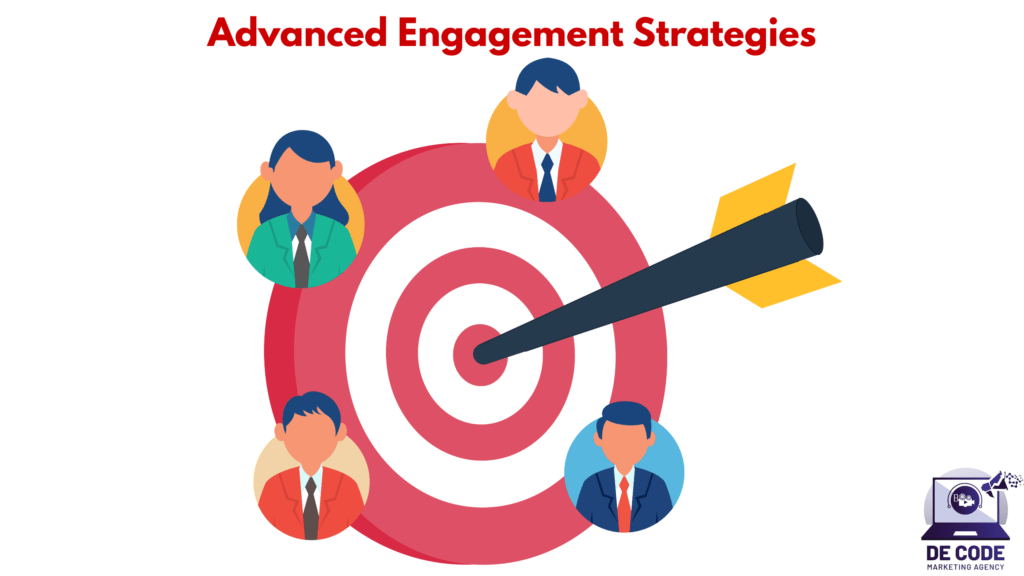
1. Personalization Through Data
Personalized content increases relevance and engagement. Use analytics to tailor messages based on user behavior, location, and preferences. Personalized greetings, recommendations, or thank-you messages make followers feel valued.
2. Social Listening
Social listening tools like Brandwatch or Mention help track conversations about the brand or industry. Understanding audience sentiment allows proactive engagement and timely responses.
3. Micro-Communities
Creating smaller, focused groups within a larger audience fosters deeper connections. For example, a fitness brand might create separate communities for yoga enthusiasts and runners.
4. Employee Advocacy
Encourage employees to share brand content. Their authentic voices expand reach and humanize the brand.
5. Interactive Content
Interactive posts such as polls, quizzes, and “choose your own adventure” stories increase participation and dwell time, signaling higher engagement to algorithms.
The Role of Emotional Intelligence in Engagement

Emotional intelligence (EI) plays a crucial role in managing social media interactions. Brands that understand and respond empathetically to audience emotions build stronger relationships.
Applying EI to Social Media
- Empathy: Understand audience frustrations and respond with compassion.
- Self-Awareness: Maintain professionalism even under criticism.
- Social Awareness: Recognize cultural and social nuances in communication.
- Relationship Management: Build trust through consistent, respectful engagement.
Emotionally intelligent communication fosters loyalty and long-term engagement.
The Future of Social Media Engagement

Emerging technologies are reshaping how audiences interact online. Artificial intelligence, augmented reality, and personalization are redefining Social Media Engagement.
Trends to Watch
- AI-Powered Personalization: Automated tools will deliver hyper-personalized content.
- AR Filters and Experiences: Interactive filters enhance brand storytelling.
- Voice and Audio Content: Podcasts and voice notes are gaining traction.
- Decentralized Platforms: Blockchain-based social networks may redefine ownership and engagement.
- Sustainability and Ethics: Audiences increasingly support brands with transparent, ethical practices.
Staying ahead of these trends ensures long-term Social Media Engagement success.
Measure Long-Term Success
Building a loyal audience is a long-term process. Measuring progress helps refine strategies and sustain growth.
Key Indicators of Long-Term Engagement
- Repeat Interactions: Followers who consistently engage over time.
- Community Growth: Expansion of active members.
- Brand Mentions: Increased organic references.
- Customer Retention: Higher repeat purchase rates.
- Advocacy: Followers recommending the brand to others.
Tracking these indicators ensures continuous improvement and lasting loyalty. Maintaining long-term audience relationships often requires communication beyond social platforms, making strategies discussed in Email Marketing: Why It Remains the King of Digital Marketing equally important.
FAQ: Social Media Engagement Tips to Build a Loyal Audience

1. What is social media engagement?
Social media engagement refers to the interactions users have with your content, including likes, comments, shares, saves, clicks, and direct messages. Strong engagement shows that your audience is interested in your brand and content.
2. Why is social media engagement important?
High engagement increases visibility, builds trust, strengthens relationships with followers, and helps brands grow loyal communities. It also improves reach through platform algorithms.
3. How can businesses improve social media engagement?
Businesses can improve engagement by posting consistently, responding to comments, creating valuable content, using visuals and videos, asking questions, and encouraging audience participation.
4. What type of content gets the most engagement?
Short videos, behind-the-scenes content, polls, user-generated content, educational posts, and relatable storytelling often receive the highest engagement on social media platforms.
5. How often should I post on social media?
Posting frequency depends on the platform and audience, but consistency matters most. Many brands see good results by posting several times a week while maintaining quality content.
6. Does replying to comments help engagement?
Yes. Replying to comments and messages encourages conversations, builds stronger relationships, and signals to algorithms that your content is active and valuable.
7. How do hashtags improve social media engagement?
Relevant hashtags help content reach a broader audience interested in similar topics, increasing discoverability and engagement opportunities.
8. What role do analytics play in social media engagement?
Analytics help track audience behavior, identify top-performing content, and measure engagement metrics. This data allows businesses to refine their social media strategies for better results.
Conclusion
Social media engagement is the heartbeat of digital success. Building a loyal audience requires more than posting content it demands authenticity, consistency, and meaningful interaction. By understanding the audience, creating valuable content, fostering two-way communication, and adapting to trends, brands can transform followers into passionate advocates. Engagement is not a one-time effort but an ongoing relationship built on trust, value, and shared purpose. With the right strategies, any brand can cultivate a thriving community that supports long-term growth and success.