Imagine spending years building a business perfecting your product, training your team, serving your customers with care only to watch a competitor with half your quality win twice your customers simply because they showed up first on Google. This is the quiet reality facing thousands of small business owners across Nepal today. The playing field has shifted online, and digital marketing for small businesses in Nepal is no longer a growth strategy it is a survival skill.
In Nepal, De Code Marketing Agency stands as a trusted digital service provider helping small and medium-sized enterprises (SMEs) harness the power of digital marketing. De Code Marketing Agency offers a wide range of services including website development, SEO services in Nepal, social media marketing, content creation, and digital advertising helping businesses establish a strong online presence, attract targeted audiences, and achieve measurable results.
This guide covers every major pillar of digital marketing strategy for SMEs written in plain language, grounded in what actually works, and structured so you can start applying it today regardless of your budget or experience level.
Why Digital Marketing for Small Businesses in Nepal Is Non-Negotiable

Digital marketing is the use of websites, apps, mobile devices, social media, search engines, and other digital means to promote and sell products and services. The majority of your potential customers are online right now searching, scrolling, comparing, and deciding. Digital marketing is no longer optional. It is the primary channel through which modern consumers discover and buy from businesses of every size.
Research shows that 81 percent of buyers research online before purchasing, and 62 percent of small businesses say digital channels drive most of their leads. In Nepal specifically, mobile internet usage has crossed 60 percent of the population, and platforms like Facebook, YouTube, and Google have become the first stop for consumers looking for products, services, and recommendations. These numbers reflect how everyday consumers across Nepal now behave from Kathmandu to Pokhara to Biratnagar.
Large corporations have bigger budgets, but small businesses have something more valuable the ability to connect personally, respond quickly, and build genuine community relationships. A small trekking agency in Pokhara or a boutique clothing brand in Kathmandu can compete for the same online visibility as a large enterprise if they show up consistently and strategically. That is the promise of digital marketing, and it is available to every business willing to invest the effort.
Building a Strong Digital Foundation for Your Small Business

Before running a single advertisement or publishing a single piece of content, every small business needs a solid digital foundation. Without it, even the best campaigns will underperform and budget spent on traffic will largely be wasted.
Your Website: The Centre of Your Digital Strategy
Your website is your most important digital asset the one place online you fully own and control. Unlike social media platforms that can restrict your reach or change their rules overnight, your website belongs entirely to you. It should load fast, communicate your value clearly, work perfectly on mobile, and make the visitor’s next step obvious. A site that looks good but generates no enquiries is a wasted opportunity, no matter how attractive the design.
Google Business Profile for Local Visibility
For local businesses, a Google Business Profile is essential for day-to-day discovery. It puts you on Google Maps and local search results at zero cost. Many Nepali consumers search phrases like “best restaurant near me” or “accountant in Kathmandu” and a well-maintained profile is what puts your business in front of them at exactly the right moment. Keep it updated with accurate hours, photos, services, and prompt responses to reviews.
Consistent Branding Builds Trust
Your logo, colours, tone, and visual style should look and feel the same across every platform website, Facebook, Instagram, email, and printed materials. Consistency builds recognition, and recognition builds trust. Businesses that look and sound different everywhere feel unreliable even if their products and services are genuinely excellent.
SEO Services in Nepal: How to Get Found on Google

Search Engine Optimisation makes your website visible in Google’s organic search results without paying for every click. Once your pages rank, they keep attracting visitors for months or years making SEO one of the best long-term investments in any digital marketing strategy for SMEs. The results are slow to build but highly durable once established.
Keyword Research: Start With What Your Customers Search
Find the exact words your customers type into Google when looking for what you offer. Tools like Google Keyword Planner, Ubersuggest, and Answer the Public make this straightforward. Focus on specific keywords that attract buyers rather than broad terms that attract casual browsers. For Nepali businesses, including city or region names in your keywords such as “web design services Kathmandu” or “trekking agency Pokhara” significantly improves local ranking potential.
On-Page Optimisation: Signal Relevance to Google
Build each page around one specific keyword. Use it naturally in your title, first paragraph, subheadings, image alt text, and URL. This tells Google exactly what the page covers and which searches it should appear for. Well-optimised pages rank faster and hold their positions longer than pages built without a clear keyword focus.
Technical SEO: Build on a Clean Foundation
Ensure your site loads quickly, uses HTTPS, has a proper XML sitemap, and is free of duplicate content. Poor technical performance is one of the most common reasons well-written websites fail to rank. These are the non-negotiable baseline requirements for any site that wants to appear in competitive search results.
Local SEO for Nepali Businesses: Dominate Your Area
For geographically focused businesses, local SEO for Nepali businesses is the highest-impact area of the entire SEO strategy. Optimise your Google Business Profile, build consistent citations across local directories, generate customer reviews, and create location-specific content that makes your geographic service area unmistakably clear to Google. Local SEO is where small businesses most consistently outrank much larger competitors.
Link Building: Build Authority Over Time
Links from other websites to yours signal credibility and authority to Google. Start with local partnerships, industry associations, guest articles on relevant blogs, and genuinely useful content that others naturally want to share and reference.
Social Media Marketing in Nepal: Strategies That Actually Deliver

Social media is where most small business marketing effort is wasted not because the platforms fail, but because businesses post without a clear strategy. Effective social media marketing in Nepal comes down to three principles: consistency, relevance, and genuine engagement.
Choosing the Right Platform for Your Business
You do not need to be everywhere just where your audience actually is. Facebook remains the most widely used social platform in Nepal and is best for community engagement and local business discovery. Instagram suits visual brands like food, fashion, travel, and hospitality. LinkedIn works for B2B businesses targeting professionals and corporate decision-makers. TikTok is worth exploring for brands reaching younger audiences through authentic short-form video content.
Building a Content Mix That Engages
A strong content mix keeps your audience engaged without feeling repetitive or purely promotional. Combine behind-the-scenes content that humanises your brand, customer testimonials that build social proof, educational posts that answer real questions, product showcases with compelling visuals, local and cultural content that creates community connection, and time-limited offers that drive immediate action.
Plan With a Content Calendar
Build a simple monthly content calendar and plan posts at least two weeks in advance. Align content with local festivals, seasonal trends, and national events relevant to your audience. Batch-create your content on a single day each week to remove the daily stress of figuring out what to post and to ensure consistency even during your busiest periods.
Content Marketing and Blogging: Build Authority Without Advertising

Content marketing builds trust by offering genuine value without directly selling. Every article, video, or guide you create becomes a permanent asset that keeps working long after it was first published, quietly attracting visitors and building your reputation around the clock.
Why Blogging Is One of the Smartest Investments for SMEs
A blog improves your SEO, establishes your expertise, feeds your social media channels with shareable material, and supports customers who are researching before they commit to buying. Unlike social media posts that disappear in a feed within hours, a well-written blog article can attract search traffic for years. Two quality posts per month builds a library of 24 articles over 12 months each one working continuously on your behalf.
What Topics to Cover
Write about the questions your customers already ask what to know before buying, common industry mistakes, how-to guides, product comparisons, and local knowledge only you possess. These are exactly the topics people search for online. Ranking for them positions your business as the trusted authority in your field and pulls in qualified readers who are already interested in what you offer.
Paid Advertising: Grow Faster on a Small Budget

Paid advertising is more accessible than most small business owners realise. You can start with a modest daily budget, measure results clearly, and scale only when the numbers justify it. The key is being strategic from day one.
Google Ads for High-Intent Traffic
Google Search Ads appear at the top of results when someone searches for exactly what you offer. Because the intent is already there, conversion rates are high making it ideal for service businesses like clinics, consultants, legal firms, and tradespeople who need immediate enquiries from ready buyers.
Facebook and Instagram Ads for Targeted Reach
Meta’s platform lets you target audiences by age, location, interests, and past behaviour. It is powerful for brand awareness, product launches, and retargeting visitors who left your website without converting. Even a modest daily budget produces meaningful reach when the targeting is well-defined and the creative is compelling.
Retargeting: The Highest ROI for Small Budgets
Retargeting shows ads specifically to people who have already visited your website. Since they already know your brand, they convert at significantly higher rates than cold audiences making retargeting the single best use of a limited paid advertising budget for most small businesses.
Three Rules Every Small Business Must Follow
Send paid traffic to a dedicated landing page not your homepage so results are measurable and the message matches the ad. Define your audience specifically before spending anything. Always set a clear conversion goal: enquiries, bookings, and purchases count as success, not impressions or clicks alone.
Email Marketing: The High-Return Channel Most Businesses Ignore

Email marketing delivers some of the highest returns of any digital channel yet remains one of the most overlooked tools for small businesses. Your email list is an audience you own outright free from algorithm changes, platform restrictions, and rising ad costs.
Growing Your Email List
Offer something of real value in exchange for an email address a discount, a practical guide, or exclusive content. Place sign-up forms prominently on your website, not buried in the footer. Collect emails in person at your physical location if you have one, and always add existing customers with their explicit permission.
What to Send and When
Send a welcome email immediately after someone subscribes it consistently achieves the highest open rates of anything you will ever send. Follow with monthly newsletters that genuinely inform or help subscribers rather than simply promoting products. Use promotional emails for sales and launches but keep them infrequent enough to stay welcome. Post-purchase follow-ups that thank customers, invite reviews, and suggest complementary products are simple to set up and deliver strong ongoing returns.
Measuring Results: Know What Is Working and Why
Digital marketing without measurement is guesswork. The greatest advantage of digital over traditional marketing is that everything is trackable so there is no excuse for running campaigns without knowing what is delivering results.
Key Metrics to Review Every Month
Track total website visitors and which channels drove them organic search, social media, email, or paid advertising. Monitor your conversion rate to understand how effectively your site turns visitors into leads or customers. Check keyword rankings to measure SEO progress over time. Review social media engagement per post to learn what content your audience values most. Assess email open and click-through rates to gauge subscriber health. For paid campaigns, track cost per lead and return on ad spend to ensure every rupee is working efficiently. Google Analytics 4 is completely free and provides all of this in a single dashboard.
Your 90-Day Digital Marketing Roadmap for Small Businesses in Nepal

Days 1–30: Build the Foundation
Launch or improve your website with clear messaging and full mobile optimisation. Set up Google Analytics and Google Search Console. Claim and complete your Google Business Profile. Create profiles on your two most relevant social platforms. Establish a consistent brand identity across every channel so your business looks and sounds the same everywhere a customer encounters it.
Days 31–60: Create, Publish, and Grow Organically
Publish your first three blog posts targeting real search queries. Begin posting on social media four to five times per week using a planned content calendar. Set up an email sign-up form and send your first newsletter. Research competitor SEO to identify keyword gaps you can target. Start collecting Google reviews from satisfied customers to build local credibility and improve your local search rankings.
Days 61–90: Invest, Test, and Optimise
Launch your first paid advertising campaign with a clearly defined audience, a dedicated landing page, and a specific conversion goal. Review analytics data to identify your best-performing content and produce more of what is already working. Optimise your website’s conversion rate based on real user behaviour. Establish a monthly marketing review routine and treat continuous improvement as a permanent business habit.
Frequently Asked Questions (FAQs)
1. What is digital marketing for small businesses?
Digital marketing for small businesses refers to promoting products or services through online channels such as search engines, social media platforms, websites, email marketing, and online advertising. It helps businesses reach their target audience, increase brand awareness, and generate leads or sales using internet-based strategies.
2. Why is digital marketing important for small businesses?
Digital marketing allows small businesses to compete with larger companies by reaching customers online at a lower cost. It helps improve brand visibility, attract targeted audiences, build customer relationships, and measure marketing results using data and analytics.
3. Which digital marketing channels are best for small businesses?
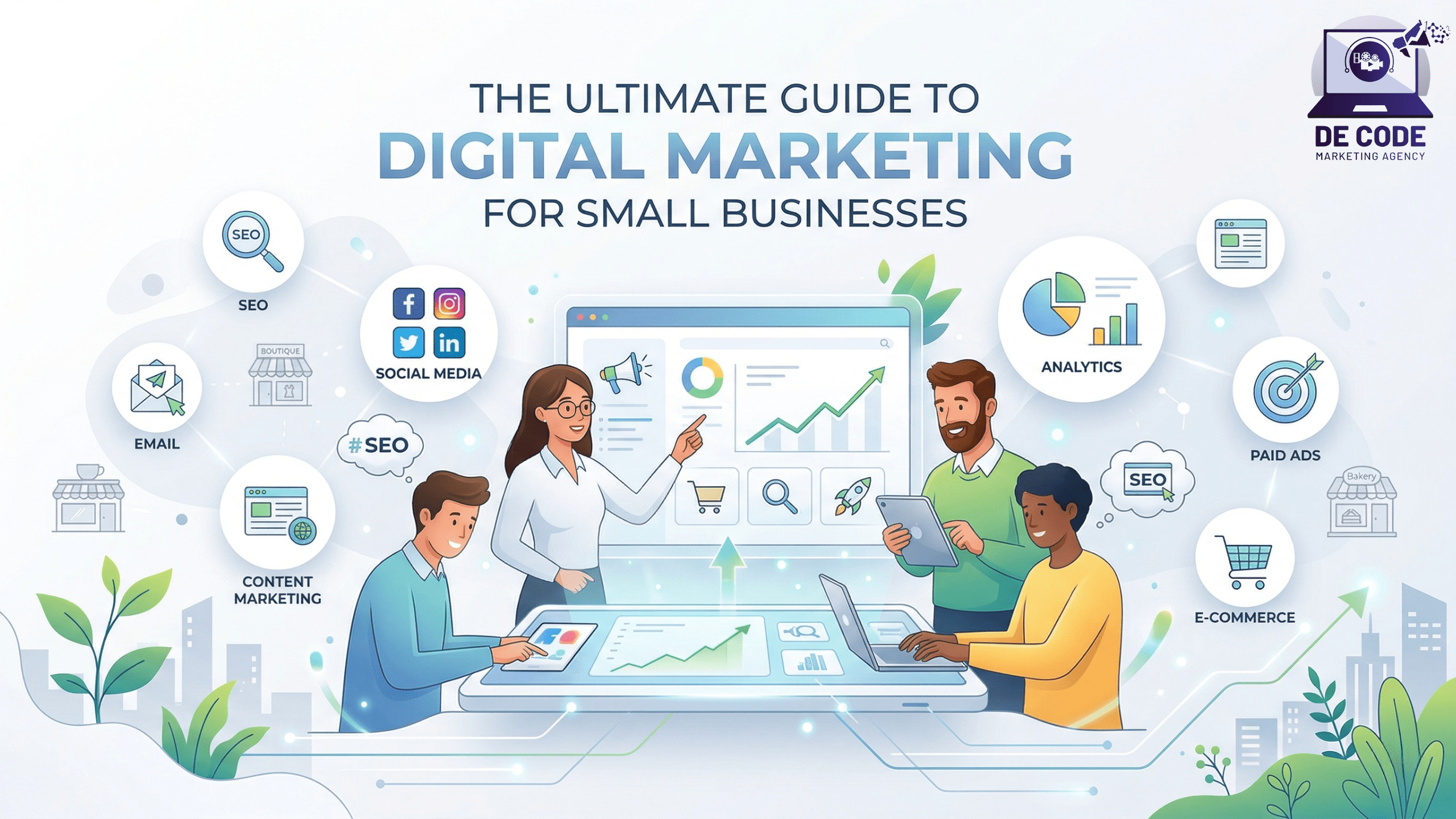
The best digital marketing channels for small businesses include:
- Search Engine Optimization (SEO)
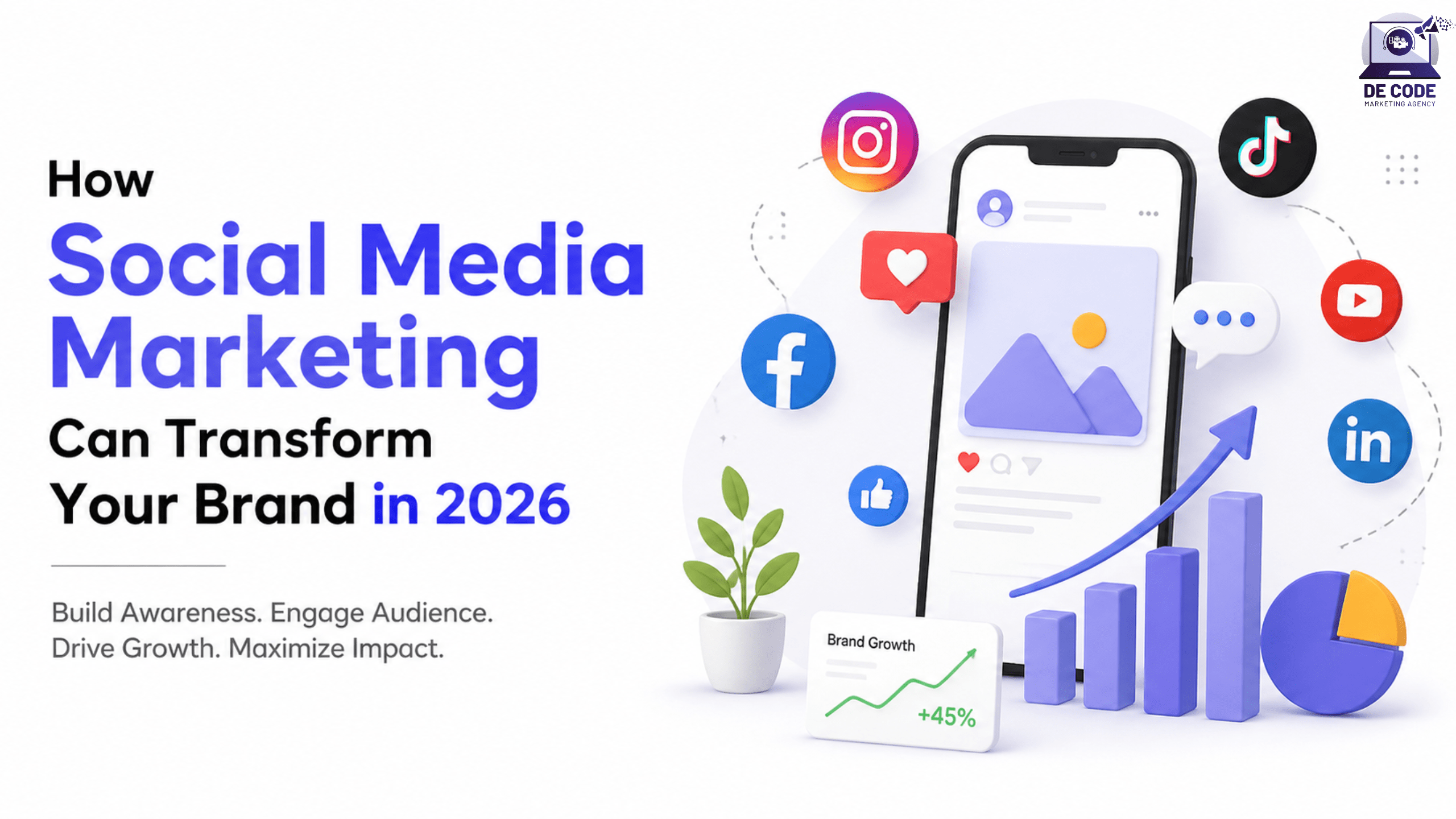
- Social media marketing
- Content marketing and blogging
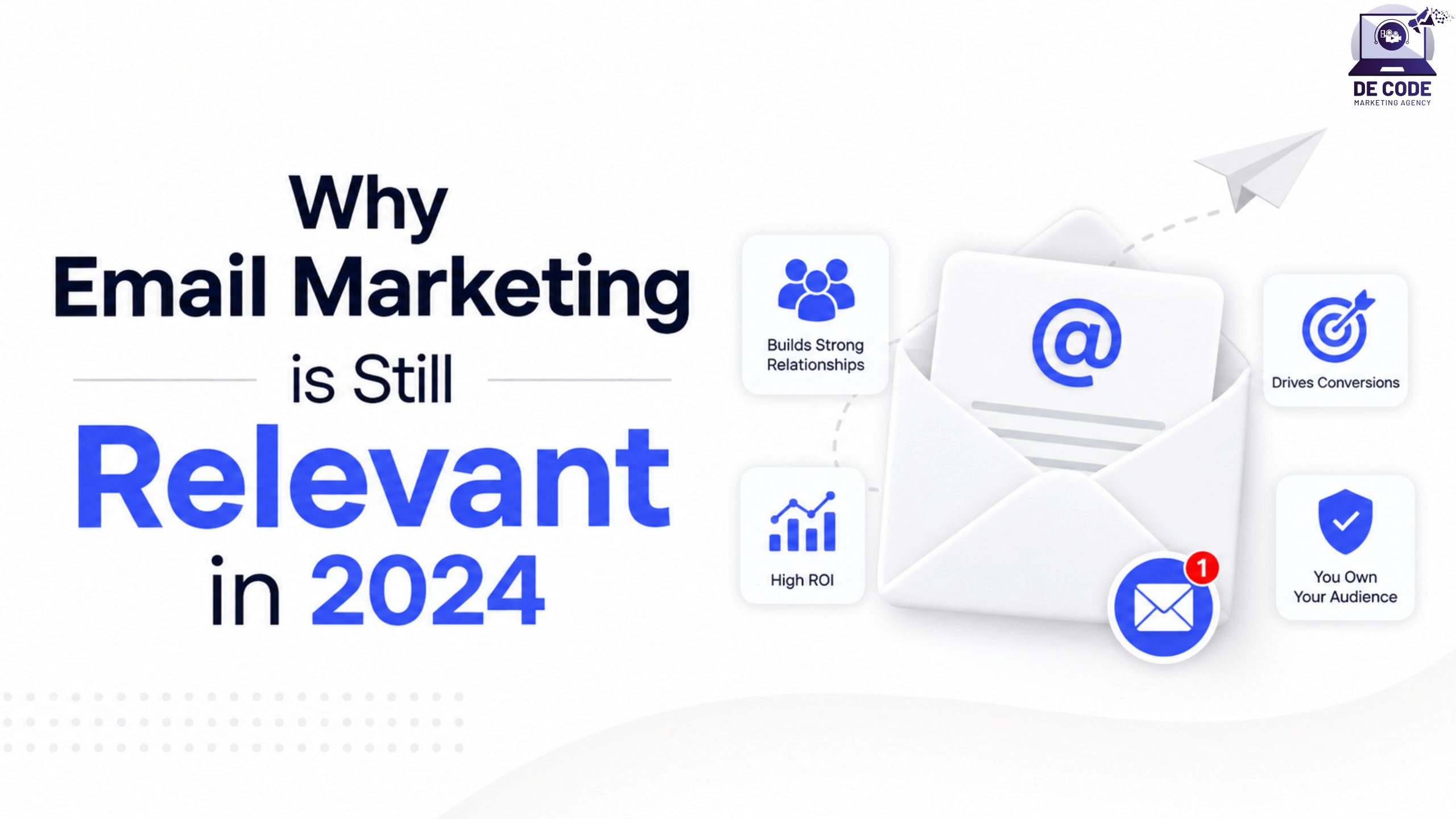
- Email marketing
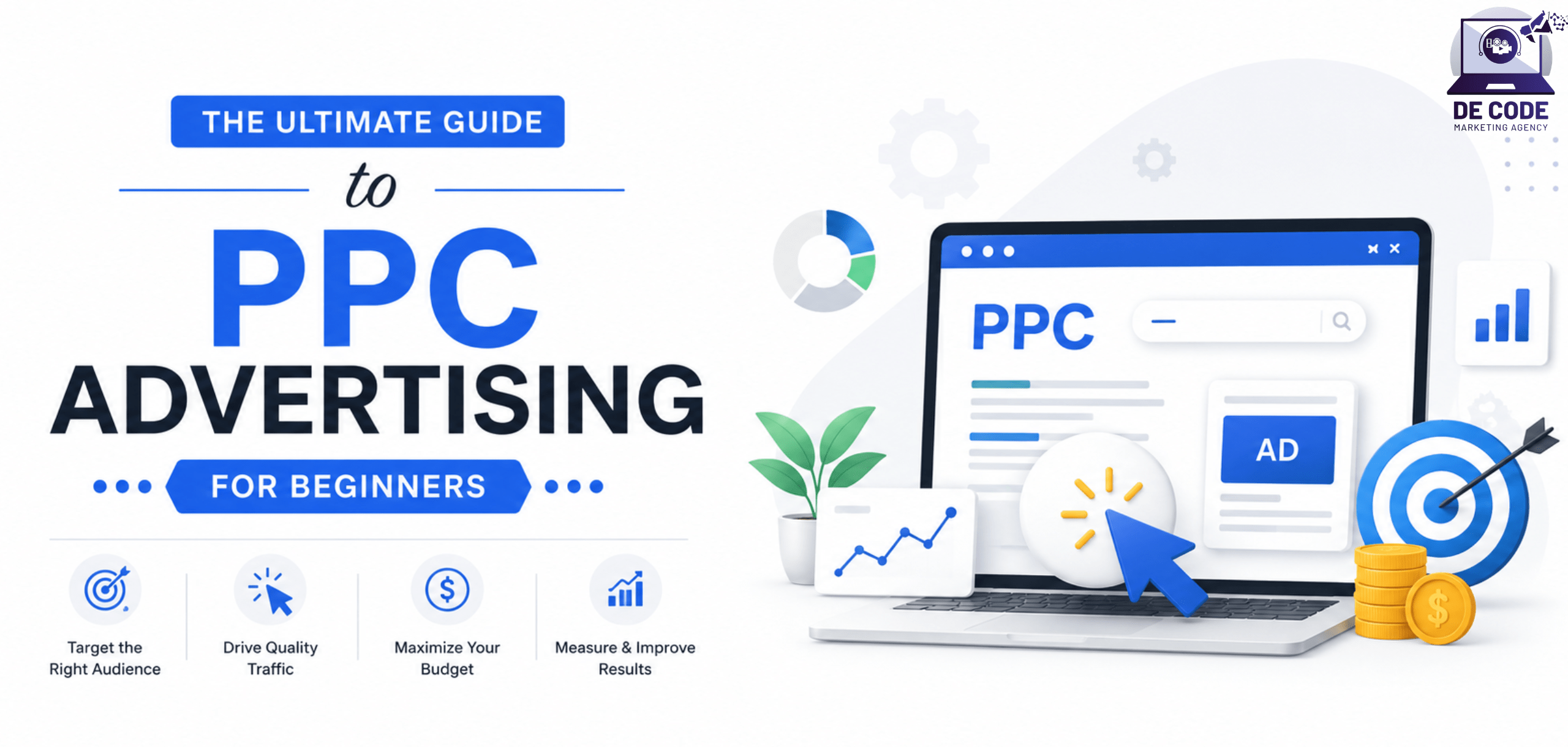
- Pay-per-click (PPC) advertising
- Google Business Profile for local search
Choosing the right channel depends on the business type, target audience, and marketing goals.
4. How much should a small business spend on digital marketing?
Most marketing experts recommend that small businesses allocate 7–10% of their total revenue to marketing. Businesses in growth stages may invest more to increase visibility and attract new customers.
5. What is the difference between SEO and paid advertising?
SEO focuses on improving a website’s visibility in organic search results, which generates long-term traffic without paying for each click. Paid advertising, such as Google Ads or social media ads, provides immediate visibility but requires ongoing budget spending. Many successful businesses use both strategies together.
6. How long does digital marketing take to show results?
Digital marketing results vary depending on the strategy used. Paid advertising can generate leads within days, while SEO and content marketing may take 3 to 6 months to produce significant traffic and ranking improvements.
Conclusion: Start Your Digital Marketing Journey Today
The businesses that succeed with digital marketing for small businesses in Nepal are not always those with the largest budgets. They are the ones that start with a clear plan, stay consistent through the slow early months, and keep refining their approach based on real data. Digital marketing rewards patience and persistence more than it rewards spending.
If the range of channels, tools, and strategies feels overwhelming, remember that you do not have to figure it all out alone. Code in Nepal brings together the strategy, creative execution, technical skill, and ongoing optimisation that small businesses need to grow online without the cost or complexity of building an in-house marketing team. From SEO services in Nepal to social media marketing and paid advertising, they provide the complete support that turns digital potential into real business results.
Your customers are searching for what you offer right now. The businesses they find and trust will be the ones that showed up well online. The question is not whether digital marketing is worth it. The question is whether you are ready to start.